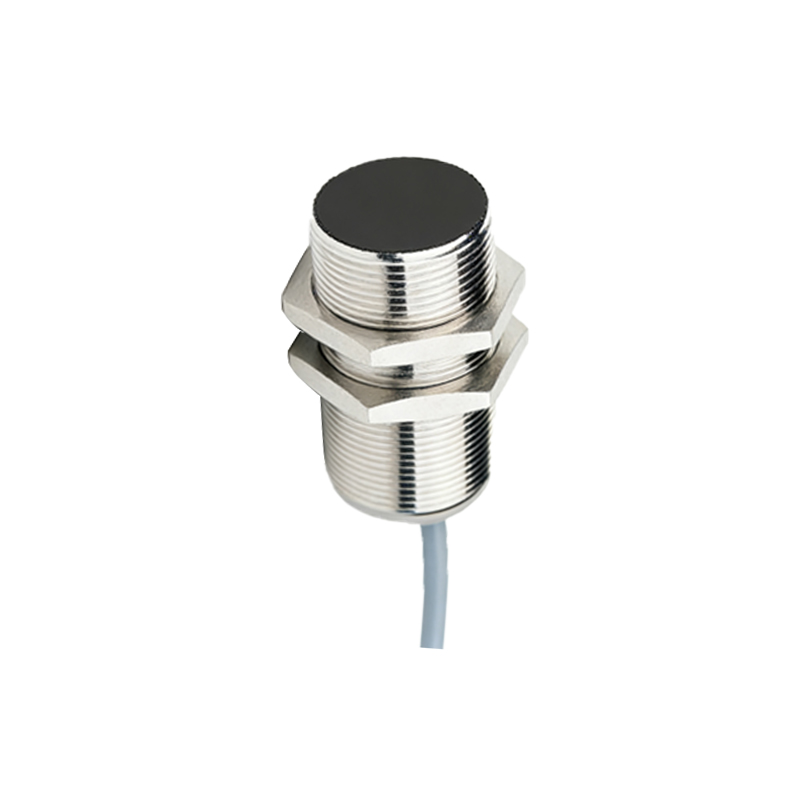
Proximity sensor fiber optics represent a critical advancement in industrial automation and precision measurement. These sensors utilize optical fibers to detect the presence, absence, or position of an object without physical contact. The core function revolves around transmitting light through a fiber optic cable to a sensing head. When a target object enters the sensing range, it modulates this light beam—either by reflecting it, interrupting it, or causing a change in its intensity. This modulation is then converted by a photoelectric receiver into an electrical signal for processing by a control system.
The primary roles and applications of proximity sensor fiber optics are diverse and vital across multiple sectors. Firstly, they excel in precision positioning and alignment within manufacturing assembly lines. Their high resolution and rapid response time allow for micron-level accuracy in placing components, such as in semiconductor wafer fabrication or micro-electromechanical systems (MEMS) production. Secondly, these sensors are indispensable for object detection and counting in high-speed packaging, bottling, and material handling systems. Their non-contact nature prevents product damage and wear, ensuring longevity and reliability in continuous operation.
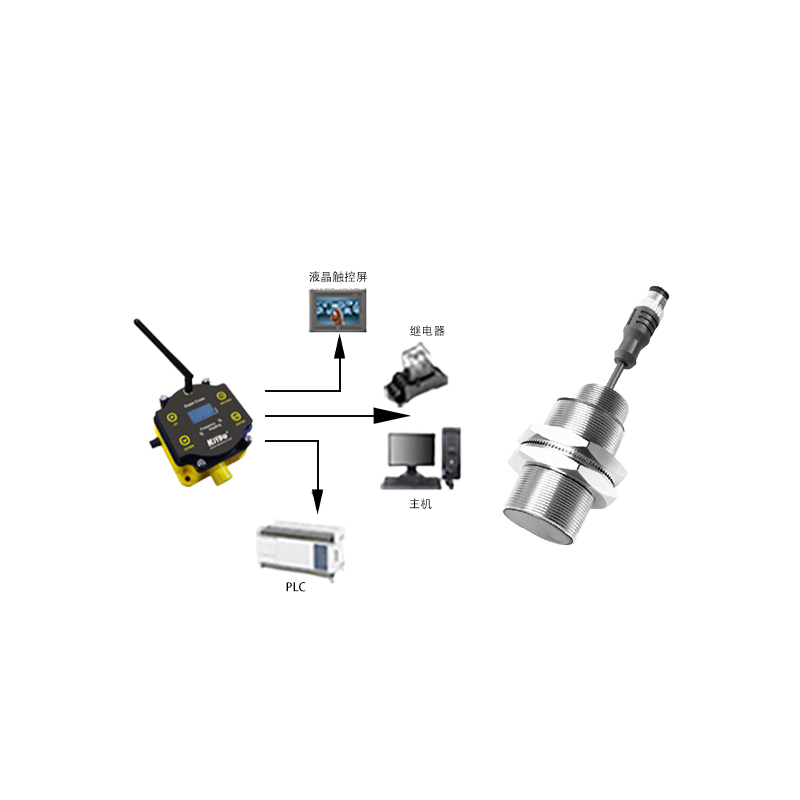
Another significant function is quality control and inspection. In automotive or electronics manufacturing, fiber optic proximity sensors can verify the presence of tiny parts like screws, seals, or solder joints. They detect minute anomalies or missing components on fast-moving conveyors, triggering reject mechanisms to maintain product standards. Furthermore, their immunity to electromagnetic interference (EMI) makes them ideal for harsh and hazardous environments. Unlike inductive or capacitive sensors, fiber optics contain no electrical components at the sensing point, allowing safe operation in explosive atmospheres, high-temperature zones, or areas with strong magnetic fields, such as near welding equipment or large motors.
In the realm of miniaturization and access constraints, fiber optic sensors offer unparalleled advantages. Their slender, flexible cables can be routed into tight spaces where traditional sensors cannot fit, enabling internal inspections of machinery or monitoring within complex robotic arms. This is particularly valuable in aerospace for engine monitoring or in medical devices for precise instrument positioning. Additionally, they serve critical roles in security and safety systems, detecting unauthorized entry or monitoring boundary limits on automated guided vehicles (AGVs) and robotics to prevent collisions.
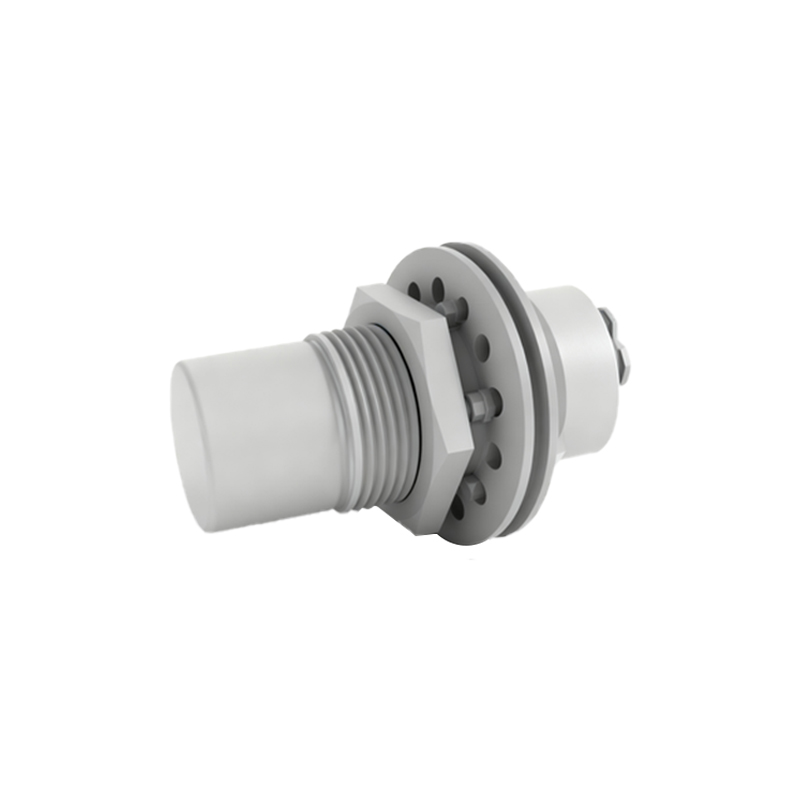
The technology also supports color and surface recognition. By analyzing reflected light spectra, some advanced fiber optic sensors can distinguish between colors or surface finishes, useful in sorting applications in recycling plants or textile industries. Their durability, with no moving parts, translates to minimal maintenance and high resistance to vibration, shock, and contamination from oils, dust, or chemicals. As Industry 4.0 evolves, the integration of fiber optic proximity sensors with IoT platforms enables predictive maintenance and real-time data analytics, further optimizing operational efficiency. In summary, proximity sensor fiber optics are pivotal for enhancing accuracy, safety, and adaptability in modern industrial automation.