In the realm of industrial automation, machine safety, and smart devices, proximity sensing is a fundamental capability. Among the diverse technologies available, the diffuse reflective infrared (IR) proximity sensor stands out for its versatility, reliability, and cost-effectiveness. This article delves into the operational principles, key characteristics, common applications, and critical selection factors for these widely used sensors.
Operational Principle
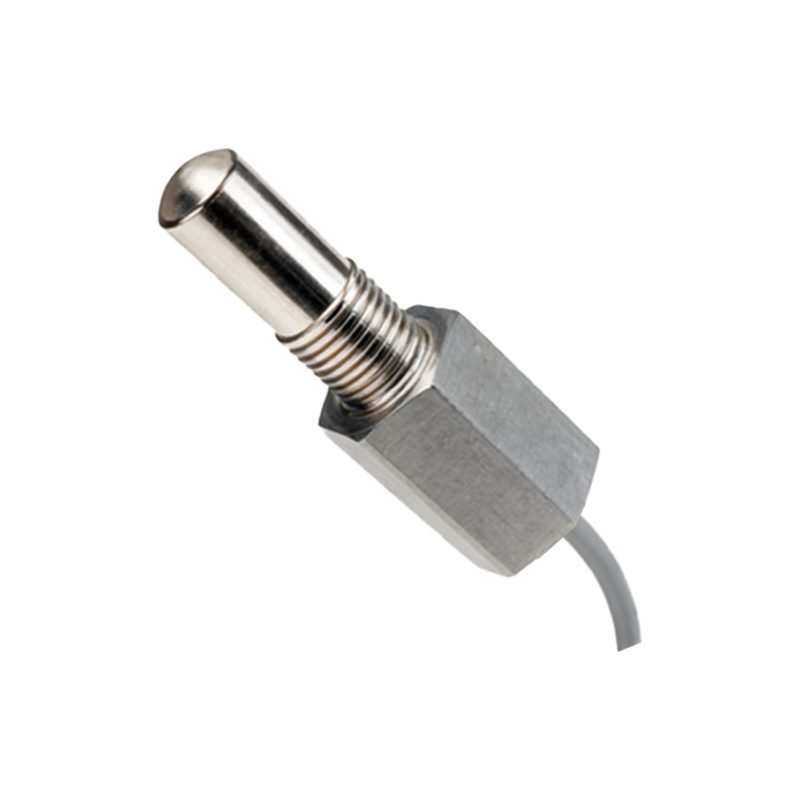
A diffuse reflective IR proximity sensor operates on a simple yet effective principle. It contains two core components: an infrared light-emitting diode (IR LED) and a photodetector (typically a phototransistor or photodiode). The IR LED emits a beam of modulated infrared light, invisible to the human eye, toward the target object. Unlike retro-reflective or through-beam sensors, this type does not require a separate reflector. Instead, it relies on the target object itself to reflect a portion of the emitted light back to the photodetector. The sensor's internal circuitry then evaluates the intensity of the reflected light. When the reflected signal strength exceeds a pre-set threshold—indicating an object is within the defined sensing range—the sensor's output state changes (e.g., from OFF to ON).
Key Characteristics and Advantages
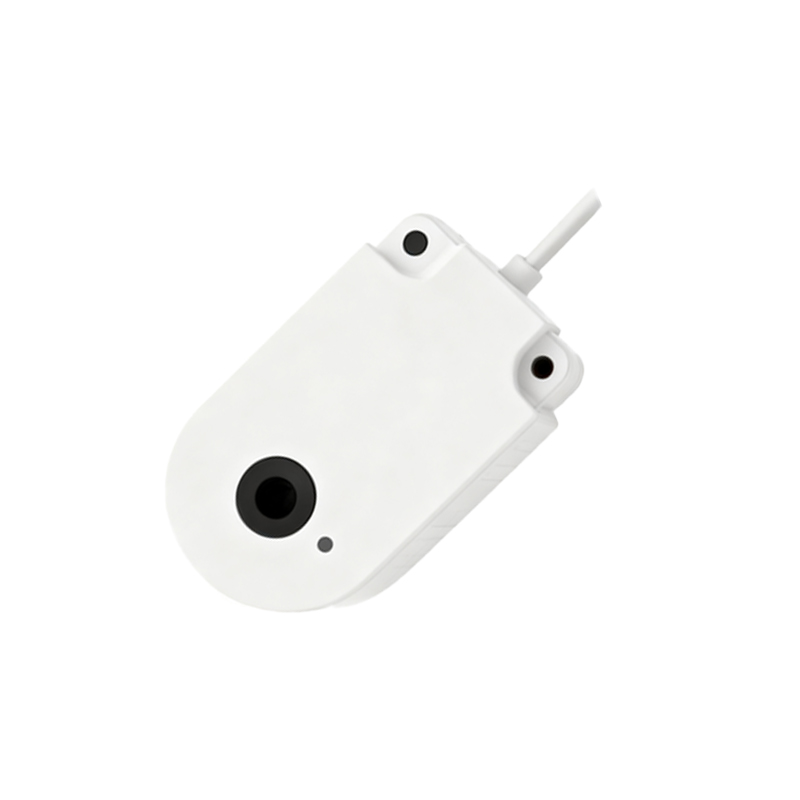
The defining feature of the diffuse reflective mode is its single-unit design, requiring only power and output connections, which simplifies installation. These sensors are known for their ability to detect a wide variety of objects regardless of color, though the material's reflectivity significantly impacts the effective sensing distance. Highly reflective materials (like white plastic or metal) can be detected at longer ranges, while dark, matte, or absorbent surfaces (like black rubber) reduce the range.
A major advantage is their insensitivity to ambient light. By modulating the emitted IR light at a specific frequency and tuning the receiver to that same frequency, the sensor effectively filters out interference from sunlight or artificial lighting. Common output types include digital (PNP/NPN transistor) and analog (0-10V, 4-20mA) signals, providing flexibility for different control systems. Modern variants often incorporate background suppression technology, which uses triangulation to measure distance rather than reflectivity, allowing for more stable detection of objects against varying backgrounds.
Typical Applications
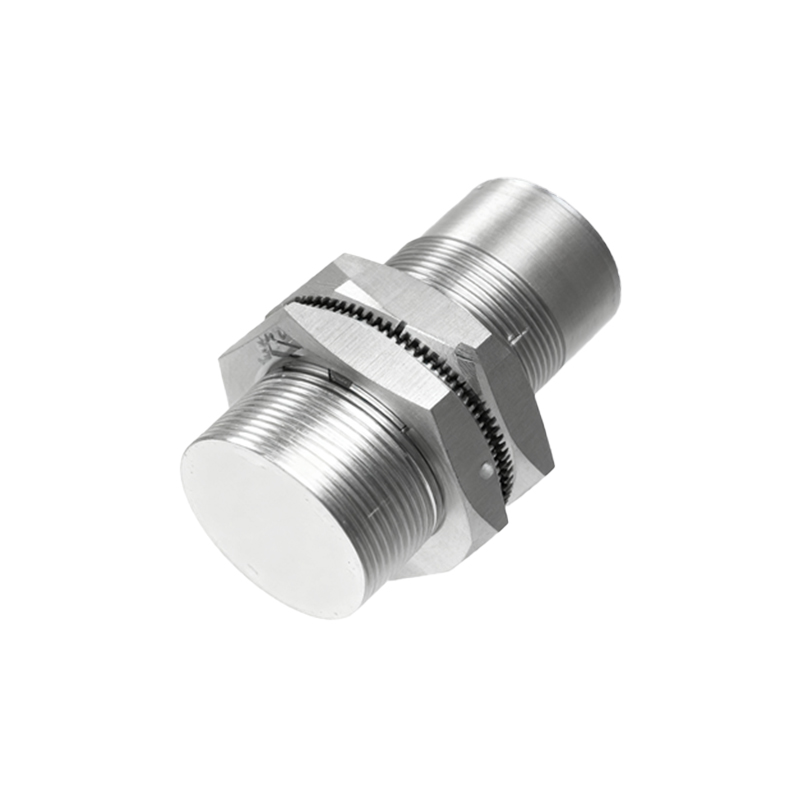
Diffuse reflective IR sensors are ubiquitous across industries. In packaging and material handling, they count bottles, detect the presence of boxes on a conveyor, or verify label placement. In automotive assembly, they ensure components are in place before a robotic weld or assembly step. They are integral to printer and copier paper-path sensing, detecting paper jams or low paper levels. In consumer electronics, they enable features like smartphone screen blanking during a call (proximity detection) and automatic faucet or soap dispenser activation. Their use in AGVs (Automated Guided Vehicles) for obstacle detection and in vending machines for product dispensing further highlights their adaptability.
Critical Selection Considerations
Choosing the right sensor for an application requires careful evaluation of several parameters:
1. Sensing Range: The nominal range specified in datasheets is typically for a standard white target (e.g., Kodak 90% white card). The effective range for a specific object must be derated based on its size, color, and surface texture. Always consult the sensor's correction factors.
2. Object Properties: As noted, the target's reflectivity is paramount. For inconsistent or low-reflectivity objects, a sensor with background suppression or a longer nominal range may be necessary.
3. Response Time: This is the sensor's speed in reacting to an object's presence or absence. High-speed applications, like counting small parts on a fast-moving line, demand sensors with millisecond or microsecond response times.
4. Environmental Conditions: Factors such as dust, fog, steam, or temperature extremes can attenuate the IR beam. Sensors with IP67 or higher ingress protection ratings are essential for harsh environments. Some models feature built-in sensitivity adjustment potentiometers to compensate for dirty lenses or gradual buildup.
5. Electrical Specifications: Voltage supply (e.g., 10-30V DC), output type, and current rating must be compatible with the controller (PLC, microcontroller). Wiring configuration (2-wire, 3-wire, 4-wire) is also a key decision point.
6. Mounting and Housing: Cylindrical (e.g., M8, M12, M18, M30 threaded barrels) or rectangular housings are common. Consider space constraints, required sensing direction, and the need for mounting brackets.
Installation and Calibration Tips
Proper installation is crucial for reliable operation. Avoid mounting sensors where they face highly reflective backgrounds, as this can cause false triggering. Maintaining a clean lens is vital; accumulated dust or oil can drastically reduce performance. During setup,