Proximity sensors are indispensable components in modern industrial automation, offering non-contact detection of objects within their sensing range. Their reliability, durability, and versatility make them essential for applications ranging from assembly lines to robotic systems. However, to maximize their performance and longevity, adhering to specific usage principles is crucial. This article outlines key guidelines for the effective deployment and maintenance of proximity sensors in industrial settings.
First and foremost, selecting the appropriate sensor type is fundamental. Proximity sensors are categorized based on their detection technology, such as inductive, capacitive, ultrasonic, or photoelectric. Inductive sensors are ideal for detecting metallic objects, while capacitive sensors can sense both metallic and non-metallic materials. Ultrasonic sensors excel in distance measurement and detecting transparent objects, whereas photoelectric sensors are suitable for long-range detection. Understanding the material, size, and environmental conditions of the target object is essential for choosing the right sensor. For instance, in a dusty or humid environment, a sealed or ruggedized sensor may be necessary to prevent malfunctions.
Installation and mounting play a critical role in sensor performance. Proper alignment between the sensor and the target object is necessary to ensure accurate detection. The sensor should be positioned at an optimal distance, typically within its specified sensing range, to avoid false triggers or missed detections. Additionally, avoiding interference from nearby metallic objects, electrical noise, or other sensors is vital. In high-vibration applications, secure mounting with brackets or dampeners can prevent mechanical stress and misalignment. It is also advisable to follow the manufacturer’s guidelines for mounting orientation and clearance distances to maintain consistent operation.
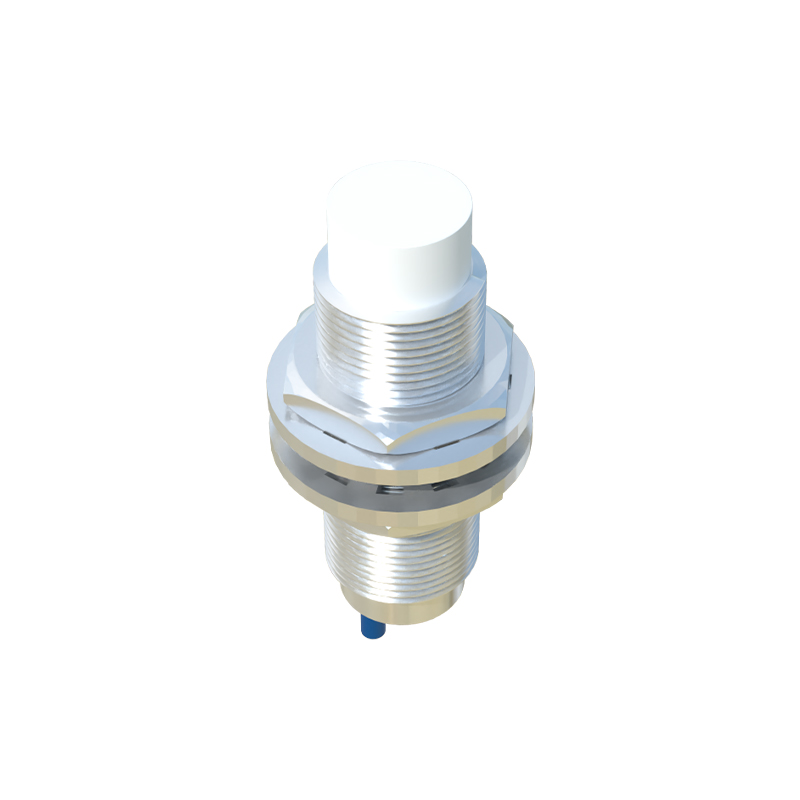
Environmental factors significantly impact sensor functionality. Extreme temperatures, moisture, chemicals, or electromagnetic interference can degrade sensor performance or cause failures. For harsh environments, selecting sensors with appropriate ingress protection (IP) ratings, such as IP67 or IP68, ensures resistance to dust and water. Regular cleaning of the sensor face is recommended to prevent contamination from oil, grease, or debris, which can attenuate signals. In outdoor applications, shielding from direct sunlight or weather exposure may be necessary to prolong sensor life.
Electrical considerations are equally important. Ensuring correct wiring and power supply compatibility prevents damage to the sensor or connected equipment. Most proximity sensors operate on DC or AC voltage, and adhering to specified voltage ranges avoids overvoltage or undervoltage issues. Incorporating surge protection devices can safeguard sensors from voltage spikes in industrial power systems. Additionally, using shielded cables and proper grounding techniques minimizes electromagnetic interference, especially in facilities with heavy machinery or variable frequency drives.
Calibration and testing are essential for maintaining accuracy over time. While many proximity sensors are pre-calibrated, periodic checks should be conducted to verify their sensing range and response time. Automated testing during system startup or routine maintenance can identify drift or wear. If a sensor shows inconsistent behavior, recalibration or replacement may be required. Keeping a log of sensor performance and environmental conditions aids in predictive maintenance, reducing downtime and costs.
Integration with control systems, such as PLCs (Programmable Logic Controllers) or industrial networks, requires attention to signal compatibility. Proximity sensors typically provide digital (ON/OFF) or analog outputs, and matching these outputs with the input requirements of the controller ensures seamless communication. For complex applications, configuring sensor parameters like hysteresis or response delay through software interfaces can optimize performance. It is also prudent to implement redundancy for critical detection points, using multiple sensors to enhance system reliability.
Finally, training personnel on proper handling and troubleshooting procedures fosters efficient operation. Operators should be familiar with sensor indicators, such as LED status lights, to diagnose issues quickly. Documenting installation layouts and maintenance schedules supports consistent upkeep. By following these principles, industries can leverage proximity sensors to enhance automation efficiency, safety, and productivity while minimizing operational disruptions.
In summary, the effective use of proximity sensors hinges on careful selection, installation, environmental adaptation, electrical safety, regular maintenance, and system integration. Adhering to these guidelines not only extends sensor lifespan but also ensures robust performance in diverse industrial applications. As technology advances, staying updated with manufacturer recommendations and industry standards will further optimize sensor utilization.