In the rapidly evolving landscape of industrial automation and IoT integration, smart proximity sensors have become indispensable components. As a seasoned electrical engineer, I am frequently asked, "How much do these sensors actually cost?" The answer, unsurprisingly, is not a single figure but a spectrum influenced by a complex matrix of technical specifications, brand value, and application requirements. Understanding this pricing landscape is crucial for effective project budgeting and component selection.
Firstly, it's essential to define what constitutes a "smart" proximity sensor. Unlike standard inductive or capacitive sensors, smart variants integrate advanced features such as IO-Link communication, condition monitoring, parameterization via software, and diagnostic data output. This intelligence layer adds significant value and, consequently, cost. At the entry-level, basic smart inductive sensors with standard sensing ranges (e.g., 2-4 mm) and IO-Link v1.1 can start from approximately $40 to $80 USD per unit for reputable industrial brands like Pepperl+Fuchs, Sick, or Balluff. These models typically offer core smart functions like remote configuration and basic diagnostics.
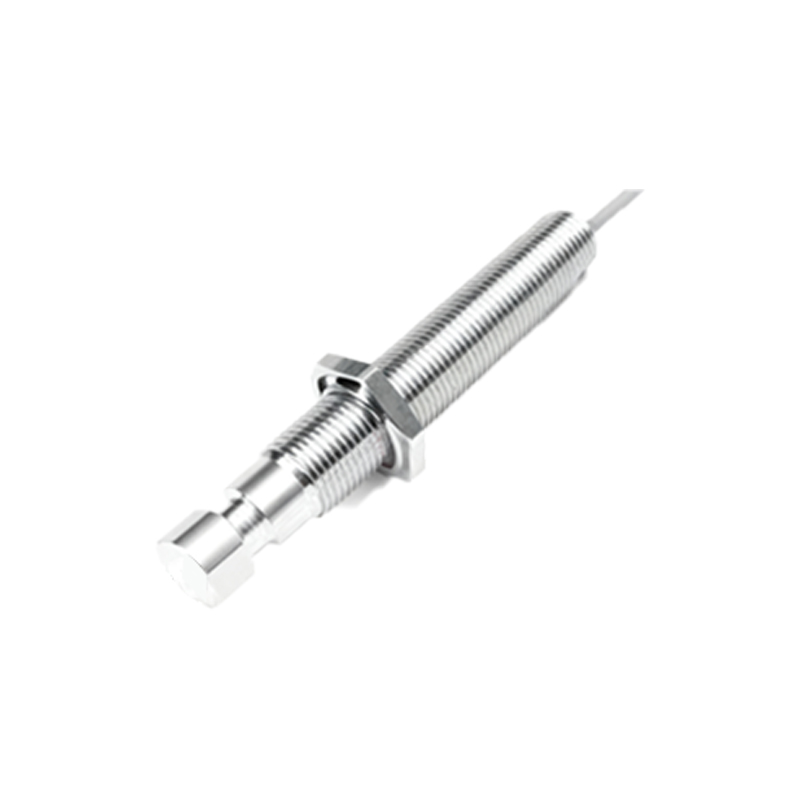
Moving into the mid-range tier, prices generally fall between $80 and $200 USD. This bracket includes sensors with enhanced capabilities. Factors driving cost here include:
Extended Sensing Range: Ultrasonic or longer-range inductive sensors cost more.
Special Form Factors: Miniature sensors for tight spaces or cylindrical designs often carry a premium.
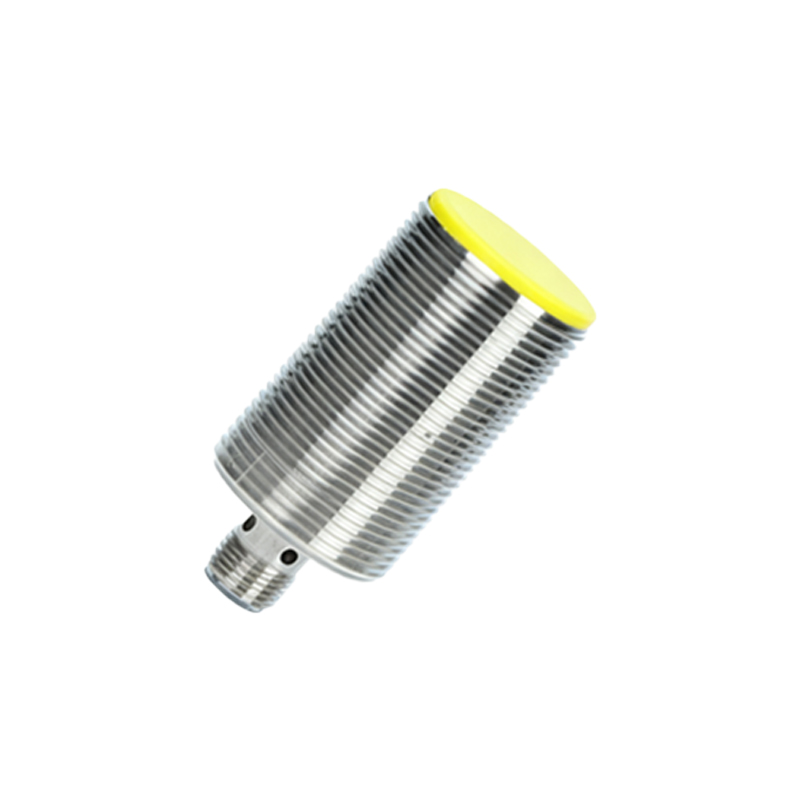
Enhanced Durability: Models with higher IP ratings (IP67, IP69K), stainless steel housings, or resistance to extreme temperatures (+85°C, -25°C) increase the price.
Advanced Communication Protocols: Support for IO-Link v1.1 with more detailed process data or integration with specific fieldbus systems adds cost.
Specialized Functionality: Analog output models, sensors with teach-in functions, or those designed for specific materials (e.g., non-ferrous metals) are more expensive.
High-end smart proximity sensors can command prices from $200 to over $500 USD. This segment is characterized by:
Maximum Performance: Exceptionally long sensing ranges (e.g., 15mm+ for inductive, several meters for ultrasonic), ultra-high switching frequencies, and superior repeatability.
Ruggedized & Specialty Designs: Sensors for harsh environments like heavy washdown, explosive atmospheres (ATEX/IECEx certification), or high-vibration applications.
Advanced Intelligence: Sophisticated diagnostics for predictive maintenance, integrated logic functions, and comprehensive toolchain support (like SOPAS ET for SICK sensors).
Brand Premium: Established leaders in sensing technology often price their flagship models at a premium due to proven reliability, global support networks, and extensive R&D.
Beyond the unit price, Total Cost of Ownership (TCO) is a critical engineering consideration. A cheaper sensor that fails prematurely or causes production downtime can be far more expensive than a higher-priced, reliable alternative. Smart sensors contribute positively to TCO by enabling predictive maintenance, reducing wiring complexity, and simplifying changeovers through software-based parameter cloning.
Purchasing channels also affect final cost. Buying directly from the manufacturer or authorized distributors ensures authenticity and support but may have higher list prices. Volume discounts are standard for OEM or large-scale project purchases. Conversely, third-party or online marketplaces may offer lower prices but pose risks regarding warranty, calibration, and technical support.
In conclusion, while a basic smart proximity sensor might start around $50, a fully-featured, ruggedized sensor for a critical application can easily exceed $300. As an engineer, the key is to meticulously match the sensor's specifications—sensing principle, range, housing material, connectivity, and intelligence features—to the application's actual needs. Avoid over-specifying, but never compromise on critical durability or communication requirements. Always factor in the long-term value of reliability, diagnostic data, and integration ease that a quality smart sensor provides. Requesting detailed quotes from multiple suppliers with your exact specifications remains the best practice for securing both optimal performance and cost-efficiency for your automation projects.