Custom laser sensors are essential components in modern industrial automation, robotics, and precision measurement systems. Unlike off-the-shelf models, custom laser sensors are tailored to specific application requirements, which significantly influences their pricing. Understanding the factors that drive costs can help engineers and procurement specialists make informed decisions.
The primary determinant of custom laser sensor pricing is the technical specification. Key parameters include measurement range, accuracy, resolution, response time, and environmental robustness. For instance, a sensor designed for sub-micron accuracy in a controlled laboratory setting will differ in cost from one built to withstand extreme temperatures, vibrations, or dust in heavy industrial environments. High-speed applications requiring nanosecond-level response times often incorporate advanced photodetectors and signal processing electronics, increasing the unit price.
Another critical factor is the choice of laser technology. Common types include time-of-flight (ToF), triangulation, confocal, and interferometric sensors. ToF sensors, used for long-distance ranging, may utilize cost-effective infrared diodes, while high-precision triangulation sensors might employ blue or green lasers with specialized optics. Confocal and interferometric sensors, offering exceptional resolution for surface inspection or displacement measurement, involve complex optical assemblies and precise calibration, leading to higher development and production expenses.
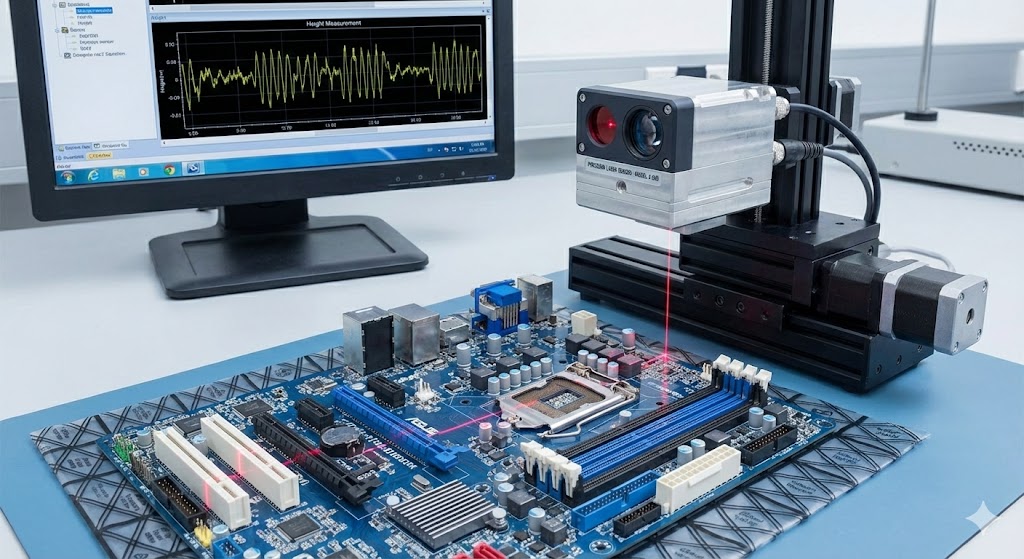
The complexity of integration and customization also impacts pricing. This includes mechanical housing design, communication interfaces (e.g., Ethernet/IP, PROFINET, IO-Link), output formats, and software algorithms. A sensor requiring a custom housing for IP67 protection or explosion-proof certification adds material and testing costs. Similarly, developing proprietary software for data filtering, edge detection, or integration with existing PLC systems requires engineering hours, which is reflected in the price.
Order volume plays a significant role in cost structure. Prototype or low-volume orders (e.g., less than 100 units) typically have higher per-unit costs due to non-recurring engineering (NRE) charges, which cover design, testing, and tooling. For medium to high volumes (thousands of units), economies of scale reduce the per-unit price as NRE is amortized, and bulk manufacturing processes optimize material and labor costs.
Additional considerations include regulatory compliance (e.g., FDA, CE, RoHS), quality assurance protocols, and after-sales support. Sensors intended for medical or aerospace applications must undergo rigorous certification processes, adding to the timeline and cost. Suppliers may also offer value-added services like calibration certificates, extended warranties, or on-site training, which can influence the final quotation.
In summary, custom laser sensor pricing is multifaceted, driven by technical requirements, technology selection, integration needs, order quantity, and compliance standards. While initial costs may be higher than standard sensors, the long-term benefits—enhanced performance, reliability, and perfect fit for the application—often justify the investment. Engaging early with experienced manufacturers to outline specifications and volume expectations can help optimize both functionality and budget.