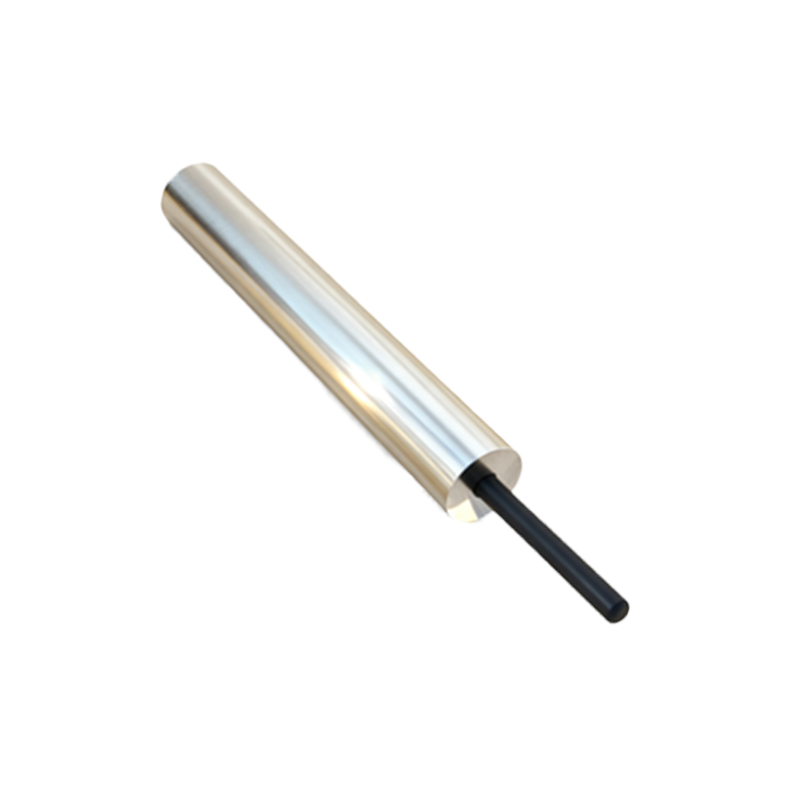
In the rapidly evolving landscape of industrial automation and smart electronics, the demand for miniaturization without compromising performance has never been higher. Ultra-compact proximity sensors stand at the forefront of this trend, offering precise non-contact detection in spaces where traditional sensors simply cannot fit. These tiny yet powerful devices are integral to countless applications, from consumer electronics to sophisticated robotic systems. This article delves into the various types of ultra-compact proximity sensors, their underlying technologies, and their transformative impact across industries.
The primary defining characteristic of an ultra-compact proximity sensor is its exceptionally small form factor, often with sensing faces as tiny as a few millimeters in diameter. Despite their size, they are engineered to deliver reliable detection of objects without physical contact. The main technologies enabling this miniaturization include inductive, capacitive, and photoelectric sensing principles, each adapted for specific material and environmental challenges.
Inductive proximity sensors are the workhorses for metal detection in confined spaces. These ultra-compact versions generate an electromagnetic field. When a metallic target enters this field, it induces eddy currents, causing a change in the field's oscillation which the sensor detects. They are inherently robust, resistant to dust, oil, and non-conductive contaminants, making them ideal for tight spots in machinery, miniature actuators, or inside compact industrial equipment for part positioning and counting.
Capacitive proximity sensors, in their miniaturized form, can detect both metallic and non-metallic materials like plastics, glass, liquids, and even granular substances. They function by generating an electrostatic field. Any object with a dielectric constant different from air alters this field's capacitance, triggering detection. Their ultra-compact variants are perfect for applications requiring material-level sensing in tiny containers, presence detection of labels or films, or touch-sensitive interfaces in portable devices.
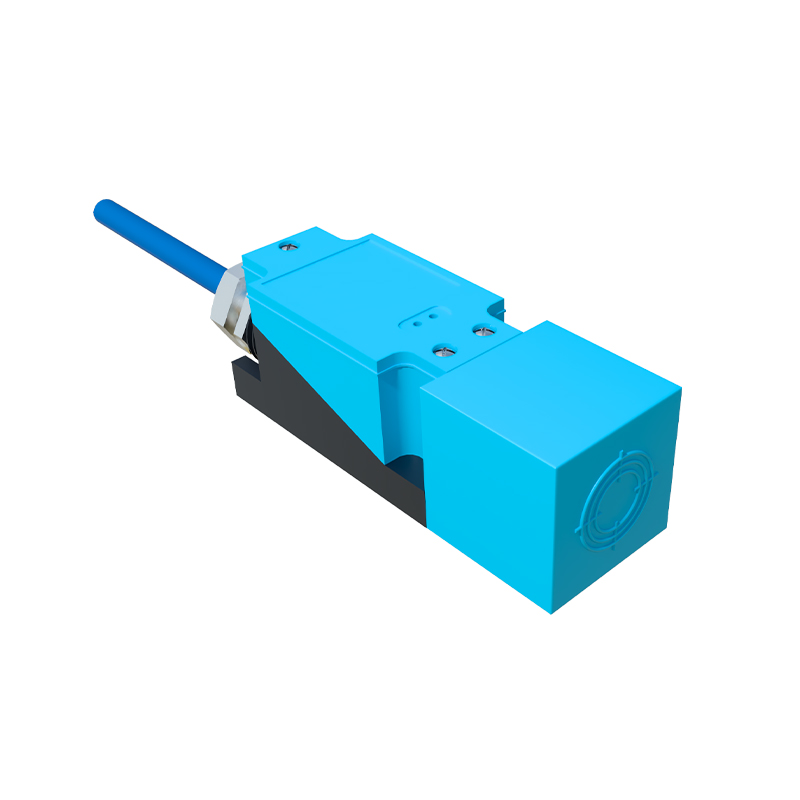
Photoelectric sensors represent a significant category of miniaturized proximity devices. Utilizing a light emitter (typically an LED) and a receiver, they detect objects by interpreting changes in the received light signal. The ultra-compact models often employ the diffuse reflective mode, where the emitter and receiver are in the same housing. The sensor detects light reflected directly from the target. These are extensively used in electronics assembly for component verification, in medical devices for fluid level sensing, and within consumer products for gesture or presence detection.
Beyond these core types, specialized ultra-compact sensors have emerged. Magnetic proximity sensors, using reed switches or Hall-effect chips, detect permanent magnets and are crucial in ultra-small linear actuators or position feedback in miniature valves. Ultrasonic variants, though less common in the smallest forms, offer precise distance measurement in tiny scales for applications like drone altitude control or micro-dispensing systems.
The applications for these sensors are vast and growing. In the automotive sector, they enable smarter, smaller modules for seat position detection, gearbox feedback, and advanced driver-assistance systems (ADAS). In consumer electronics, they are the key to smartphone screen blanking during calls, true wireless earbud in-ear detection, and laptop lid closure sensing. The medical device industry relies on them for precise fluid handling in diagnostic equipment and positional feedback in surgical robots. Furthermore, in advanced manufacturing and micro-robotics, these sensors provide the essential feedback for precision assembly, pick-and-place operations, and quality control on ever-shrinking product scales.
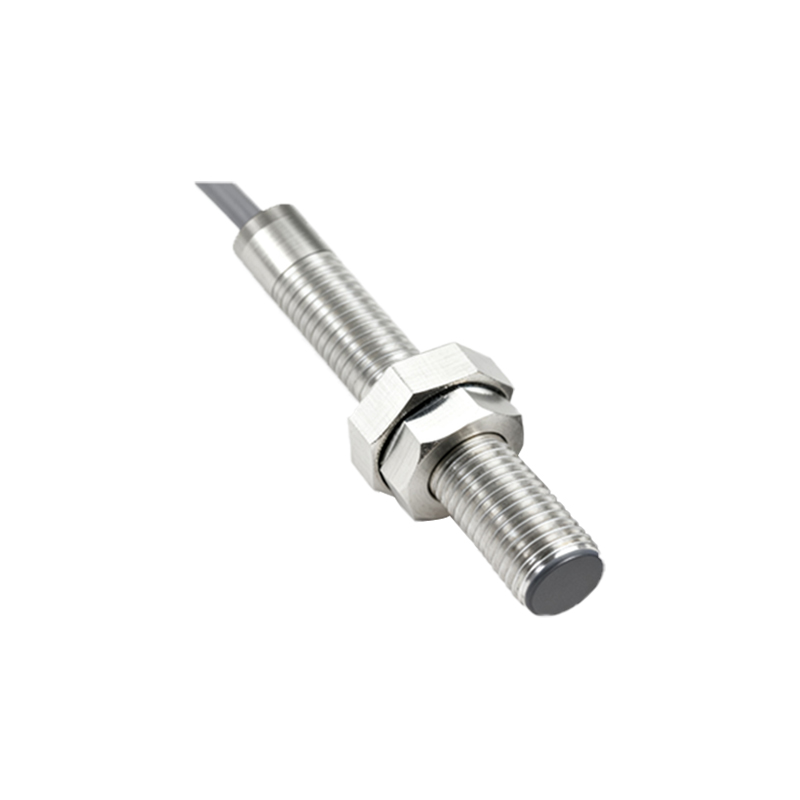
Selecting the right ultra-compact sensor requires careful consideration of several factors. The target material dictates the choice between inductive, capacitive, or photoelectric technology. The required sensing distance, though typically short (from 0.5mm to 10mm for most ultra-compact models), is critical. Environmental conditions such as temperature extremes, potential washdowns, or exposure to strong electromagnetic interference must also be evaluated. Finally, the electrical output type (e.g., NPN/PNP transistor, analog, or IO-Link digital) must be compatible with the control system.
In conclusion, ultra-compact proximity sensors are not merely smaller versions of their larger counterparts; they are specialized components enabling new frontiers in design and functionality. Their development continues to push the boundaries of sensing technology, driven by advancements in microelectronics and innovative packaging. As industries strive for greater efficiency, intelligence, and miniaturization, the role of these powerful miniature sentinels will only become more central, proving that the most significant impacts often come in the smallest packages.