In the global industrial automation landscape, proximity sensors are ubiquitous, serving as the silent sentinels in machinery, production lines, and safety systems. Their reliability is non-negotiable. However, a pervasive and damaging threat undermines this critical ecosystem: counterfeiting. The proliferation of fake proximity sensors poses severe risks to operational safety, equipment longevity, and overall system integrity. This article delves into the technical and commercial necessity of robust anti-counterfeiting measures for these essential components.
Counterfeit proximity sensors are often manufactured using substandard materials and lack the rigorous engineering and quality control of genuine products from reputable manufacturers like Siemens, Omron, or Pepperl+Fuchs. The immediate consequences can be catastrophic. A fake sensor may fail to detect an object, leading to production line stoppages, defective products, or even catastrophic machine collisions. More alarmingly, in safety-critical applications—such as guarding a robotic cell or monitoring door positions—a counterfeit sensor's failure can result in severe personal injury. The financial impact extends beyond immediate downtime; it includes costly repairs, warranty voidance on main equipment, and potential legal liabilities.
The technical deficiencies of counterfeit sensors are manifold. Internally, they may use inferior semiconductors, poorly calibrated oscillators, and low-grade housing materials that cannot withstand industrial environments. This leads to inconsistent sensing ranges, poor repeatability, susceptibility to electromagnetic interference (EMI), and drastically reduced operational life. A genuine inductive sensor, for instance, is engineered for millions of switching cycles with precise hysteresis; a counterfeit may degrade after a few thousand. The difference is not merely statistical but foundational to predictive maintenance and overall equipment effectiveness (OEE).
Combating this threat requires a multi-layered, technological approach to authentication. Modern anti-counterfeiting strategies move beyond simple holographic stickers, which are themselves easily replicated. Leading manufacturers are now integrating digital solutions directly into the product's identity and supply chain.
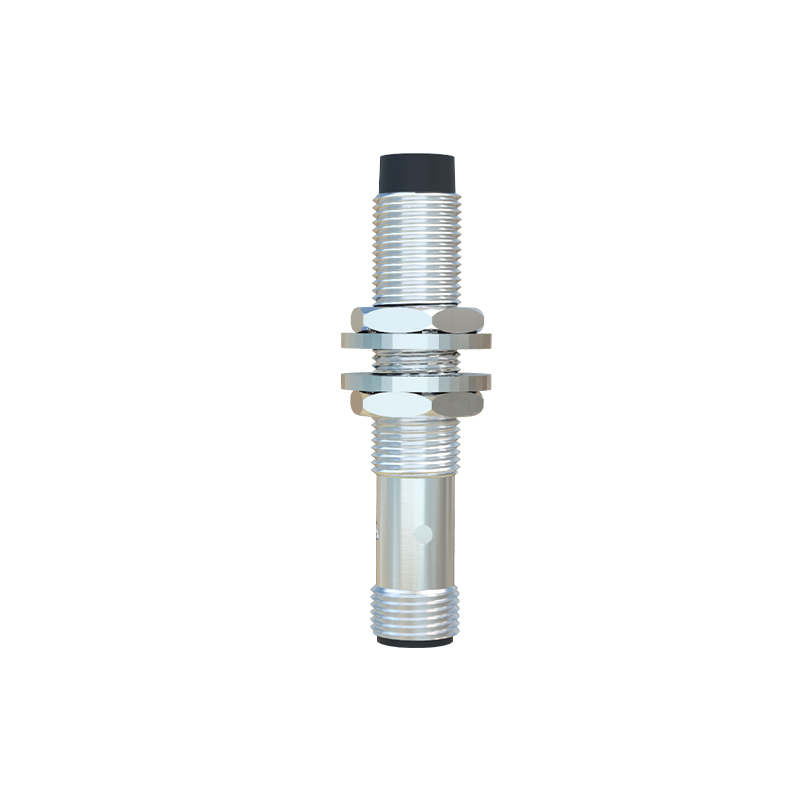
1. Unique Digital Identifiers: Each genuine sensor is assigned a unique serial number or QR code. This code, often laser-etched onto the housing for durability, can be scanned via a smartphone app or dedicated reader. The scan links to a secure, manufacturer-hosted database to verify the product's authenticity, production date, batch number, and intended market.
2. Blockchain-Based Traceability: Some pioneers are implementing blockchain technology to create an immutable ledger for every sensor. From the component sourcing to factory assembly, testing, and each step in the distribution chain, a digital record is created. An end-user can trace the complete provenance of the device, making any diversion or insertion of fakes into the supply chain immediately apparent.
3. Embedded Security Features: For high-value or critical application sensors, embedded electronic markers are becoming feasible. A tiny, encrypted chip within the sensor can communicate a secure digital signature when interrogated by authorized diagnostic tools. This makes cloning virtually impossible without access to proprietary cryptographic keys.
4. Physical and Material Authentication: Advanced techniques include using specific, traceable alloy compositions in the sensor housing or face, or incorporating microscopic taggants into the potting compound. These features require specialized equipment to verify, adding another hurdle for counterfeiters.
For engineers, procurement specialists, and plant managers, vigilance is the first line of defense. Sourcing components exclusively from authorized distributors is paramount. Be wary of prices that seem too good to be true, especially on online marketplaces. Physically, compare the product's weight, finish quality, font clarity on labeling, and packaging details with a known genuine sample. Any discrepancy in craftsmanship is a red flag.
Upon receipt, implement an incoming inspection protocol that includes digital verification of the unique identifier. Integrate this authentication step into your warehouse management system. Furthermore, educate maintenance technicians to recognize the performance symptoms of a suspect sensor, such as erratic behavior or premature failure.
In conclusion, ensuring the authenticity of proximity sensors is not a peripheral concern but a core responsibility for ensuring industrial safety and productivity. The economic incentive for counterfeiters is strong, but the technological tools to defeat them are growing more sophisticated. By adopting a combination of secure sourcing practices, digital verification technologies, and continuous education, the industry can protect its assets, its people, and the reliability upon which modern manufacturing depends. The cost of a genuine sensor is an investment in certainty; the cost of a counterfeit is an unpredictable liability.