In the realm of industrial automation, conveyor belt systems are the arteries of material handling, facilitating the seamless flow of goods in manufacturing, packaging, and distribution. The reliability and efficiency of these systems are paramount, and this is where proximity switch sensors play a critical, often understated role. As non-contact detection devices, proximity sensors provide the essential "eyes" for control systems, ensuring precise operation, safety, and preventive maintenance. This article delves into the application, selection, and integration of proximity sensors within conveyor belt frameworks, adhering to professional engineering standards.
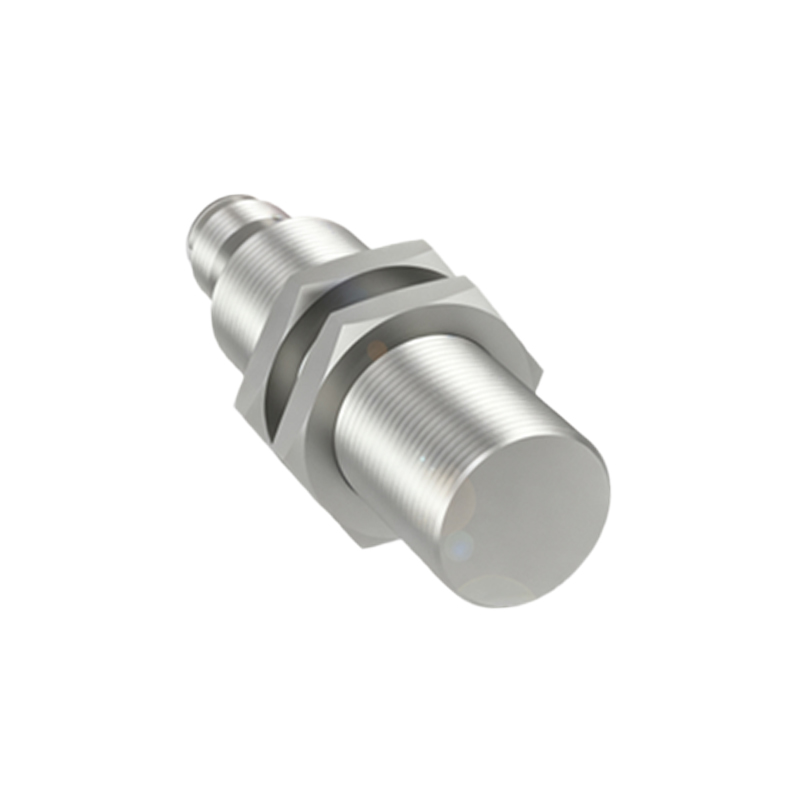
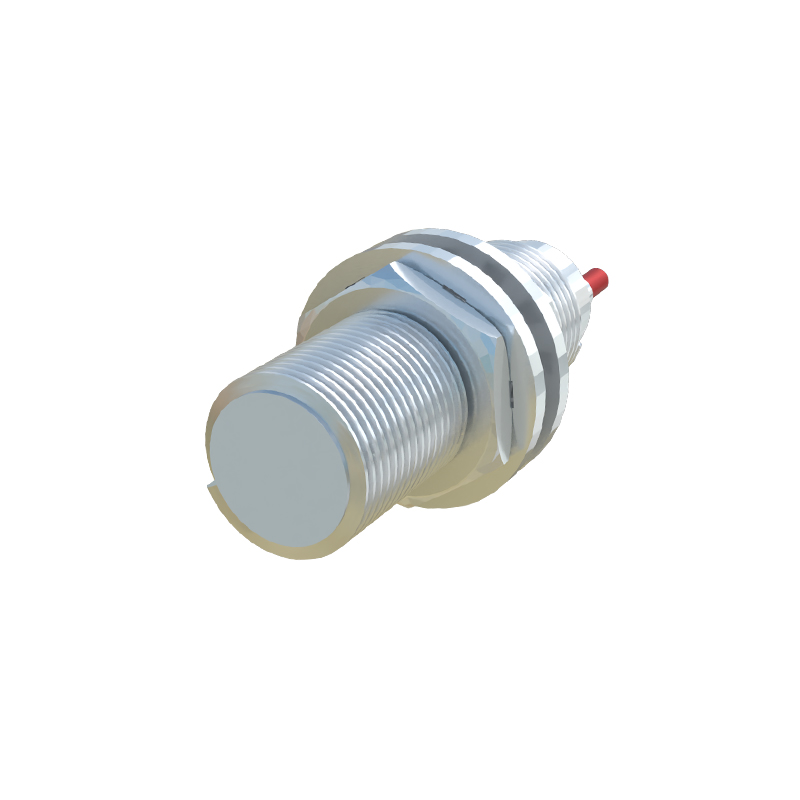
Proximity sensors, specifically inductive and capacitive types, are predominantly used in conveyor systems. Inductive proximity switches are ideal for detecting metallic objects—such as metal parts, trays, or containers—on a belt. They generate an electromagnetic field and trigger a switch signal when a metallic target enters this field. This capability is fundamental for tasks like counting metallic components, verifying the presence of a product before a process step, or initiating sorting mechanisms. For instance, in an automotive assembly line, an inductive sensor can detect a metal chassis on a conveyor, signaling a robotic arm to commence welding operations. Their robustness against dust, oil, and non-metallic debris makes them suitable for harsh industrial environments.
Conversely, capacitive proximity sensors can detect both metallic and non-metallic materials, including plastics, glass, liquids, and granular substances. This versatility is invaluable in industries like food and beverage or pharmaceuticals, where products are often non-metallic. A capacitive sensor can monitor the level of powder in a container moving on a belt or detect the presence of a plastic bottle cap, ensuring proper filling and capping processes. Their sensitivity can be adjusted to ignore the conveyor belt material itself, focusing solely on the payload.
The strategic placement of these sensors along the conveyor belt dictates system intelligence. Common applications include:
1. Position Sensing and Jamming Prevention: Sensors mounted at critical points, such as transfer zones or near diverter gates, confirm the correct positioning of items. If an object fails to pass a sensor within a predefined time, it indicates a jam, prompting an automatic shutdown to prevent damage.
2. Speed Monitoring and Control: By measuring the frequency of passing objects, sensors can calculate belt speed. Paired with variable frequency drives (VFDs), this data allows for real-time speed adjustment to match production line requirements, optimizing throughput.
3. Object Counting and Sorting: A series of sensors can count items for inventory management or batch control. In sorting applications, a sensor identifies an object (e.g., by material type detected) and triggers an actuator to push it onto the correct downstream belt.
4. Safety and Access Control: Sensors can act as safety interlocks, ensuring guard doors are closed or that personnel are clear of hazardous zones before the conveyor starts.
Selecting the right proximity sensor requires careful consideration of several technical parameters:
Sensing Distance: The nominal range at which the sensor can reliably detect a standard target. Factors like target material, size, and installation conditions (flush or non-flush) affect the effective sensing distance.
Output Type: Digital outputs (PNP/NPN) are standard for simple on/off signaling. Analog outputs (4-20mA, 0-10V) provide continuous data, useful for measuring distance or thickness variations.
Environmental Rating: An enclosure rating of at least IP67 is recommended for washdown areas or dusty conditions. Resistance to vibrations, temperature extremes, and chemical exposure should align with the operating environment.
Response Time: The speed at which the sensor reacts to a target's presence. High-speed conveyors demand sensors with fast response times (in microseconds) to maintain accuracy.
Electrical Compatibility: The sensor's operating voltage (commonly 10-30V DC) and current load must match the plant's control system, typically a Programmable Logic Controller (PLC).
Integration into the control architecture is straightforward yet vital. The sensor's output is wired to a discrete input module on a PLC. The PLC ladder logic or structured text program then uses this input to execute commands—starting/stopping motors, activating solenoids, or updating human-machine interface (HMI) displays. Proper shielding of cables is essential to mitigate electromagnetic interference (EMI) from motors and drives, which can cause false triggering.
Maintenance, though minimal, is crucial for longevity. Regular checks should include cleaning the sensor face to remove buildup of dirt or product residue, verifying mounting integrity to prevent misalignment, and testing functionality with a target. Modern sensors often feature LED indicators for diagnostic purposes, showing power status and output activation.
In conclusion, proximity switch sensors are indispensable components in modern conveyor belt systems. Their ability to provide reliable, non-contact detection enhances automation precision, boosts productivity, and fort