In the realm of industrial automation, the reliability and precision of sensing technology are paramount. The LJ24A3-8-JEZ stands as a quintessential example of a robust inductive proximity sensor, engineered to meet the rigorous demands of modern manufacturing and control systems. This cylindrical, shielded sensor operates on the principle of electromagnetic induction, detecting the presence of metallic objects without physical contact, thereby eliminating mechanical wear and ensuring long-term operational stability.
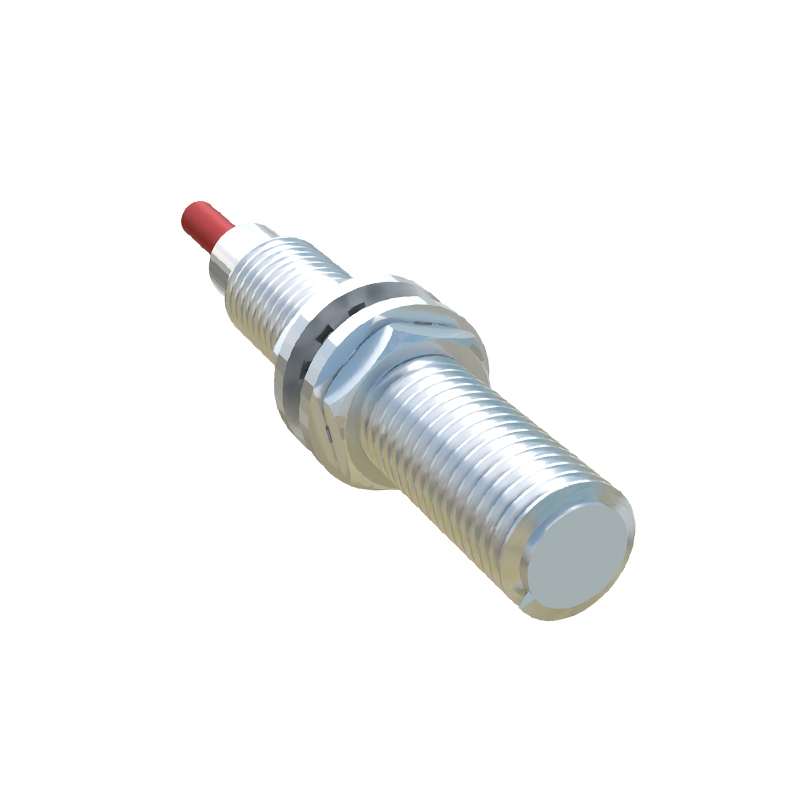
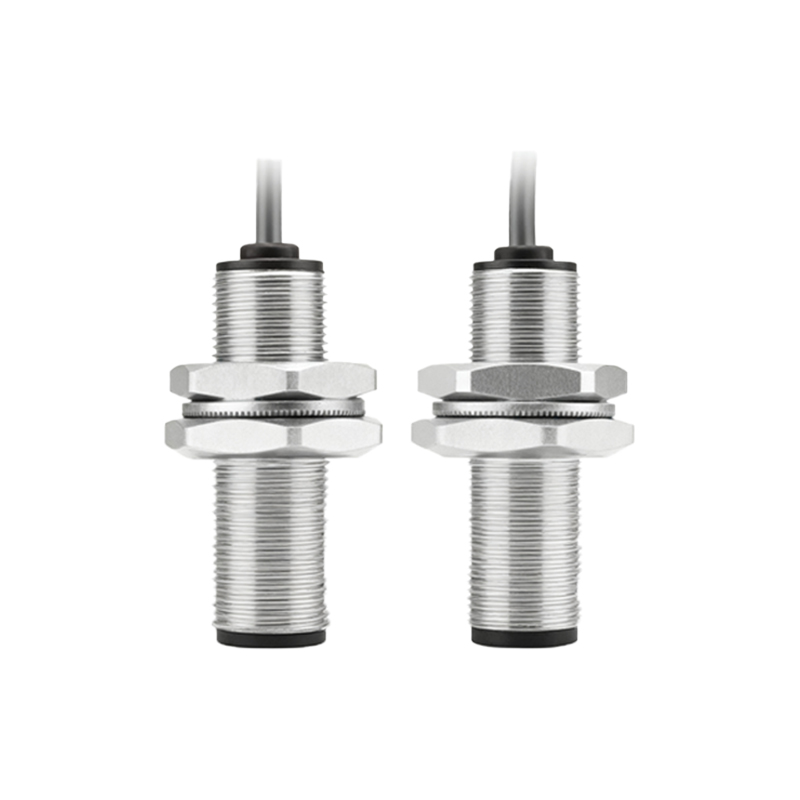
The LJ24A3-8-JEZ is characterized by its 24mm diameter housing, typically constructed from nickel-plated brass or stainless steel, offering excellent resistance to corrosion, oils, and coolants commonly found in industrial environments. Its "8" designation indicates a nominal sensing distance of 8mm for a standard iron target. This sensing range is critical for applications requiring precise positioning or object detection. The sensor features a built-in LED status indicator, providing immediate visual feedback on its operational state—whether in detection mode or standby.
Electrical specifications are a core strength. The LJ24A3-8-JEZ is commonly available in both DC (10-30V DC) and AC (20-250V AC) variants, with the DC version often being the three-wire type (brown: +V, blue: 0V, black: output). The output configuration typically includes a normally open (NO) or normally closed (NC) switch, often with a solid-state NPN or PNP transistor output capable of switching currents up to 200mA. This allows for direct interfacing with programmable logic controllers (PLCs), counters, or relay modules. Key performance parameters include a high switching frequency, often up to 1000 Hz, enabling the detection of rapidly moving objects on production lines. Its low hysteresis ensures repeatable and accurate switching points, while the IP67 protection rating guarantees reliable performance in dusty or wet conditions, though it is not designed for continuous submersion.
Application scenarios for the LJ24A3-8-JEZ are vast and varied. In automotive assembly lines, it is frequently employed for part presence verification, such as confirming the placement of engine blocks or wheel hubs. Within packaging machinery, it detects metallic components on conveyor belts, triggering subsequent actions like filling, capping, or labeling. In metalworking, it serves as a limit switch for CNC machine tools, ensuring tools or workpieces are correctly positioned. Its robust design also makes it suitable for harsh environments like material handling and wood processing, where sawdust and debris are prevalent.
When selecting and installing the LJ24A3-8-JEZ, several critical factors must be considered. First, the target material is crucial; inductive sensors primarily detect ferrous metals (like steel and iron) with optimal range, while non-ferrous metals (aluminum, copper) have a reduced sensing distance—often 30-60% of the nominal value. The sensor's mounting requires careful attention: as a shielded (flush-mountable) type, it can be installed flush with a metal bracket without loss of sensing range, simplifying integration. However, surrounding metallic objects should be kept at a minimum distance (usually 2-3 times the sensor diameter) to prevent false triggering. Electrical wiring must adhere to manufacturer guidelines, with proper attention to polarity for DC models and the inclusion of surge protection devices in circuits with inductive loads (e.g., relays, solenoids) to safeguard the sensor's output transistor. Regular maintenance, though minimal, involves periodic cleaning of the sensing face to remove accumulated metallic dust or grime that could impair performance.
In comparison to other sensing technologies like capacitive, ultrasonic, or photoelectric sensors, the LJ24A3-8-JEZ excels in environments where only metallic objects need detection, offering immunity to non-metallic contaminants such as dust, steam, or light interference. Its primary limitations are its material specificity and the finite sensing range. For applications requiring detection of non-metallic materials or longer ranges, alternative sensor types would be more appropriate.
Ultimately, the LJ24A3-8-JEZ inductive proximity sensor represents a balance of durability, precision, and versatility. Its design reflects a deep understanding of industrial needs, providing a dependable solution for object detection, position control, and automation sequencing. By carefully matching its specifications to the application requirements—considering target material, environmental conditions, electrical interface, and mounting constraints—engineers and technicians can leverage this sensor to enhance system reliability, reduce downtime, and optimize automated processes. As Industry 4.0 continues to evolve, such foundational components remain integral to building intelligent, responsive, and efficient industrial ecosystems.