In the realm of industrial automation and precision engineering, the measurement of speed is a critical parameter that directly impacts efficiency, safety, and product quality. Traditional methods, such as mechanical tachometers or optical encoders, have served well but often come with limitations like contact requirements, wear and tear, or sensitivity to environmental conditions. Enter laser sensors—a non-contact, high-precision technology that is transforming speed measurement across various sectors, from manufacturing and automotive to aerospace and robotics.
Laser sensors operate on the principle of the Doppler effect or time-of-flight measurements, depending on the specific design. In Doppler-based laser velocimetry, a laser beam is directed at a moving surface. The frequency of the reflected light shifts proportionally to the velocity of the target, allowing the sensor to calculate speed with exceptional accuracy, often within fractions of a percent. This method is particularly effective for measuring linear or rotational speeds without physical contact, eliminating friction and reducing maintenance needs. For instance, in conveyor belt systems, laser sensors can monitor the speed of materials in real-time, enabling immediate adjustments to optimize throughput and prevent jams.
Another common technique is laser triangulation, where a laser dot is projected onto a moving object, and a receiver detects the position of the reflected light. By analyzing changes in position over time, the sensor derives velocity data. This approach is widely used in applications requiring high resolution, such as measuring the speed of rotating shafts in turbines or the velocity of vehicles during crash tests. The non-invasive nature of laser sensors makes them ideal for harsh environments where dust, moisture, or extreme temperatures might degrade other instruments.
The advantages of laser sensors for speed measurement are manifold. First, they offer unparalleled precision, with some models capable of detecting speeds from millimeters per second to several kilometers per second. This range suits diverse needs, from slow-moving robotic arms to high-speed railway monitoring. Second, their non-contact operation minimizes interference with processes, preserving the integrity of delicate materials and reducing downtime for calibration. Third, modern laser sensors integrate easily with digital control systems, providing real-time data that can be used for feedback loops in automated machinery. For example, in paper manufacturing, laser sensors ensure uniform web speed, preventing tears and enhancing product consistency.
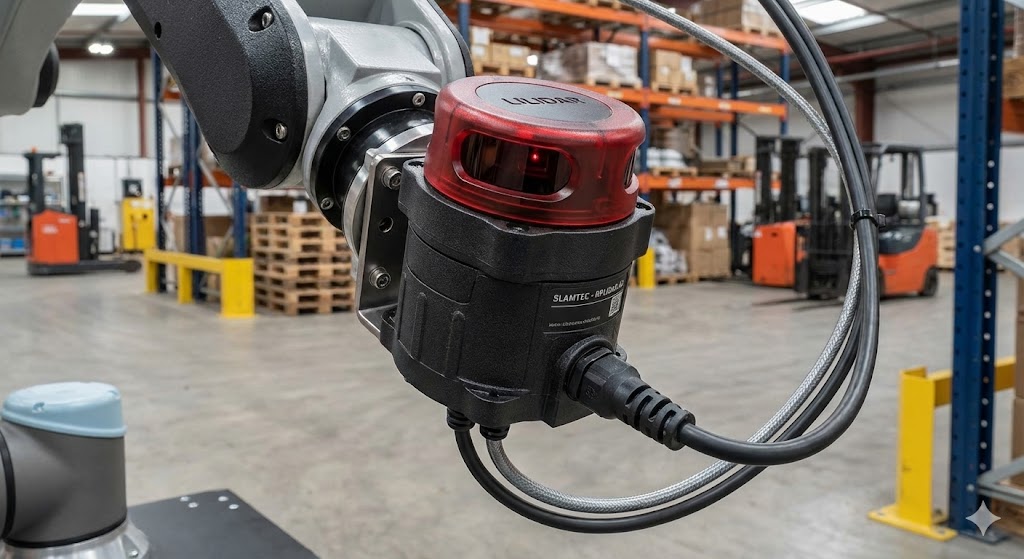
However, implementing laser sensors requires careful consideration. Factors like surface reflectivity, ambient light, and target distance can affect performance. Engineers must select sensors with appropriate wavelengths and power levels, and often incorporate filtering algorithms to mitigate noise. Regular calibration against known standards is also essential to maintain accuracy over time. Despite these challenges, the long-term benefits—such as reduced operational costs and improved safety—often outweigh the initial investment.
Looking ahead, advancements in laser technology, including the development of compact, cost-effective sensors and integration with IoT platforms, promise to further expand their applications. As industries continue to prioritize automation and data-driven decision-making, laser sensors are poised to become even more integral to speed measurement, driving innovation and efficiency in the global market.
