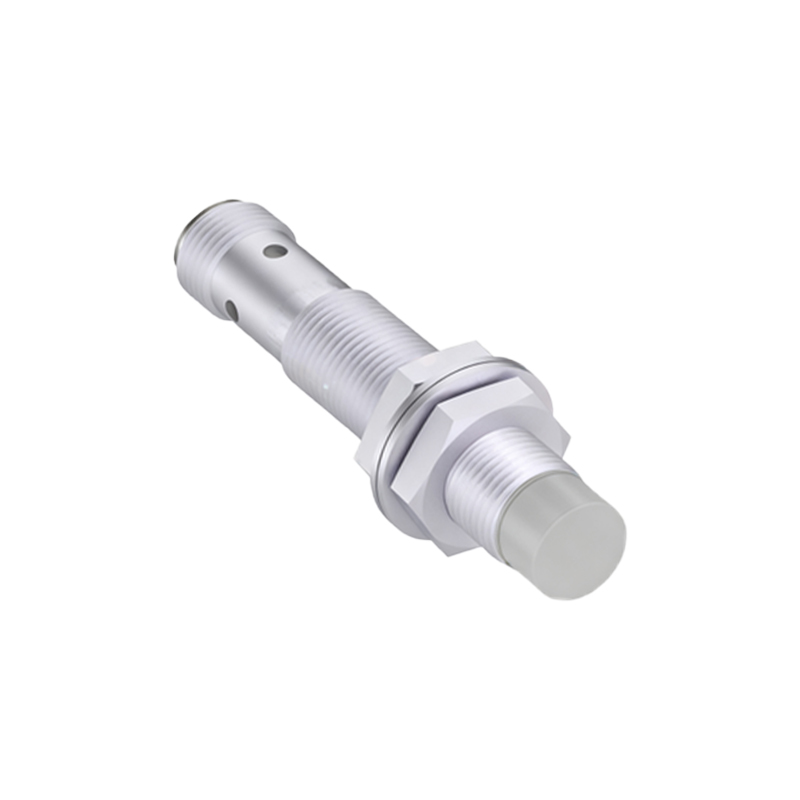
Proximity switches have become a cornerstone technology for door status sensing across a vast spectrum of industrial and commercial environments. Their reliability, non-contact operation, and adaptability make them superior to traditional mechanical limit switches in many demanding applications. This article delves into the operational principles, selection criteria, and implementation best practices for using proximity sensors as door status monitors.
At its core, a proximity switch detects the presence or absence of a metallic target—typically a simple actuator tab or the door frame itself—without any physical contact. When a door moves to the closed position, the metallic target enters the sensor's active field, causing a change in its internal oscillator's amplitude or frequency. This change is processed by the sensor's circuitry, which subsequently switches its output state. This output signal, either a solid-state PNP/NPN transistor signal or a relay contact, is then fed into a Programmable Logic Controller (PLC), safety relay, or building management system to indicate "door closed." Conversely, when the door opens and the target moves away, the sensor returns to its normal state, signaling "door open."
Several types of proximity sensors are employed for this duty. Inductive proximity sensors are the most common, ideal for detecting ferrous and non-ferrous metal targets on steel doors. For applications involving non-metallic doors (e.g., fiberglass, wood), capacitive proximity sensors are used, as they can detect the door material itself or a dedicated target. In environments where precise positioning is critical or where the target may be small, cylindrical shielded (flush-mountable) sensors offer a precise sensing range and are immune to adjacent metal interference. Unshielded (non-flush) sensors provide a longer sensing range but require more careful mounting.
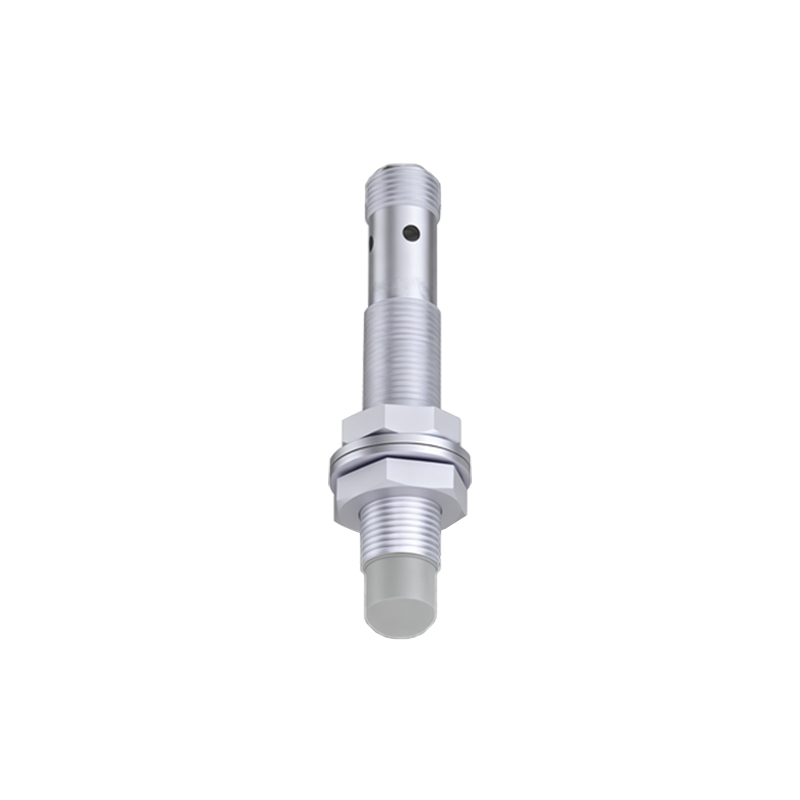
Key selection parameters extend beyond the sensing technology. The sensing distance, rated with a standard target, must account for mechanical tolerances and door sway. Environmental robustness is paramount; the sensor's Ingress Protection (IP) rating (e.g., IP67, IP69K) must withstand washdowns, dust, and humidity. Temperature rating must suit the operational environment, from freezer warehouses to furnace rooms. For safety-related applications, such as guarding hazardous machinery, certified safety-rated proximity switches with redundant outputs and monitoring circuits are mandatory. The electrical output must be compatible with the control system's input card, considering voltage levels (12-24V DC, 110-230V AC) and sourcing/sinking configuration.
Installation and commissioning are critical for long-term reliability. The sensor must be rigidly mounted to prevent vibration-induced misalignment. The metallic target should be clean and of adequate size and thickness as specified by the sensor manufacturer. It is crucial to maintain the recommended gap between the sensor face and the target in its actuated position, often 75-80% of the rated sensing distance to compensate for potential drift. Electrical wiring should follow EMC guidelines: using shielded cables for long runs, separating signal lines from power cables, and ensuring proper grounding to prevent electromagnetic interference from variable frequency drives or welding equipment, which can cause false triggering.
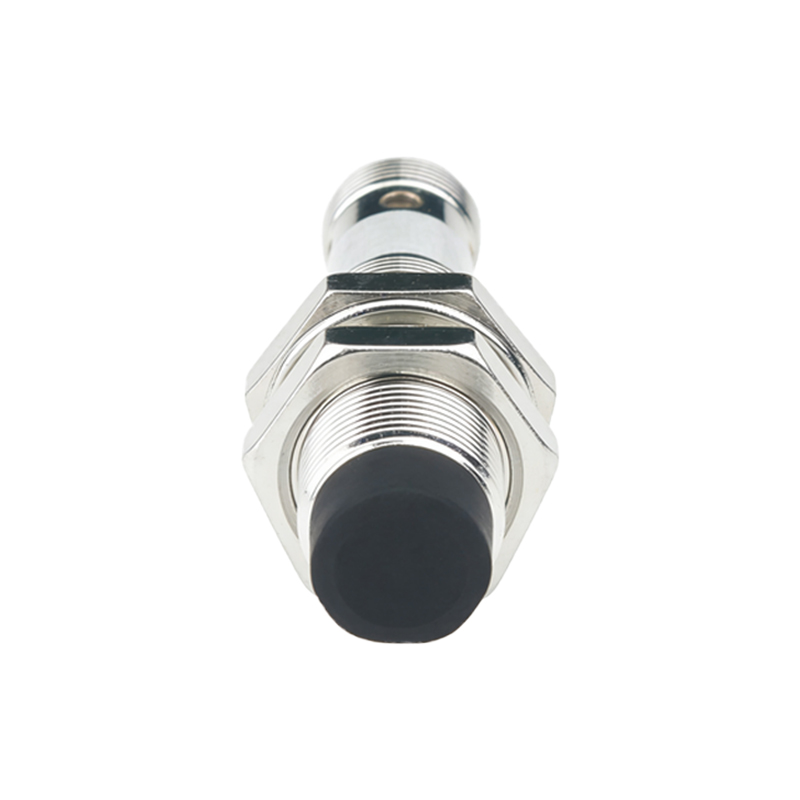
Diagnosing common issues is straightforward with a systematic approach. Intermittent signals often point to a loose mounting, an oversized gap, a vibrating target, or electrical noise. A complete failure to detect may indicate a wiring fault, incorrect power supply, a damaged sensor, or an incorrect target material. Many modern sensors feature a built-in LED status indicator, providing immediate visual feedback on power presence and switching state, which is invaluable for troubleshooting.
The applications are diverse. In manufacturing, they secure access panels to robotic cells and control cabinets. In logistics, they monitor the position of roll-up doors on loading docks and automated storage systems. In food and pharmaceutical processing, high-hygiene sensors confirm the sealed status of washdown doors. In building automation, they manage access and integrate with HVAC systems.
In conclusion, specifying and implementing proximity switches for door status sensing is a precise engineering task. A thorough understanding of the operating principle, a careful analysis of the application requirements—including the mechanical setup, environmental conditions, and safety needs—and adherence to installation best practices are essential. When correctly applied, these sensors provide a maintenance-free, highly reliable solution for ensuring operational security, safety, and process efficiency, forming a critical data point in the interconnected industrial landscape.