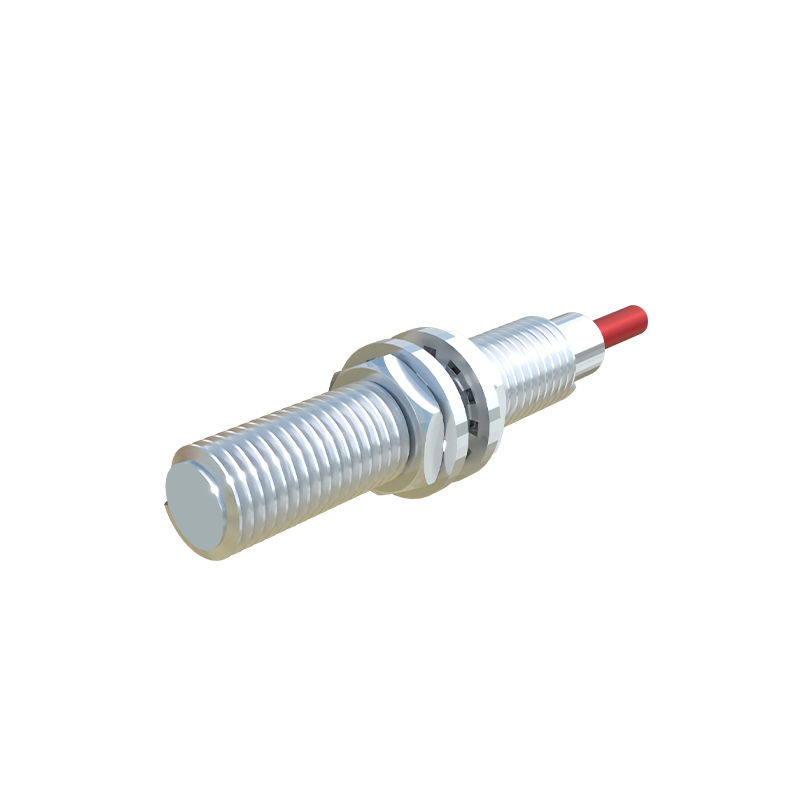
In today's automated and safety-conscious industrial landscape, proximity sensors are indispensable components. Their ability to detect the presence or absence of an object without physical contact makes them critical for countless applications, from assembly line automation and robotic guidance to vehicle detection and machine safety systems. For engineers, procurement specialists, and system integrators, navigating the market for proximity sensor sales requires a clear understanding of technical specifications, application needs, and supplier capabilities. This guide provides a practical framework for selecting and sourcing the optimal proximity sensor.
The first and most crucial step is a thorough analysis of the application requirements. What exactly needs to be detected? The target material—be it ferrous metal (like steel), non-ferrous metal (like aluminum or copper), plastic, or even a liquid—directly dictates the sensor technology. Inductive sensors are the workhorses for detecting metallic objects. Capacitive sensors, on the other hand, can detect a wider range of materials, including non-metals, and are often used for level sensing or detecting materials through a container wall. For longer ranges or where the target is non-metallic, photoelectric sensors might be a suitable alternative, though they are sensitive to environmental factors like dust and fog.
Next, consider the operating environment. Will the sensor be exposed to extreme temperatures, washdown conditions with high-pressure chemicals, heavy vibration, or metallic dust? Ingress Protection (IP) ratings, such as IP67 or IP69K, indicate the level of protection against solids and liquids. For harsh environments, sensors with robust, stainless-steel housings and high IP ratings are non-negotiable. The required sensing distance, or "rated operating distance," must be specified with a safety margin, typically 70-80% of the catalog value, to account for real-world variables like temperature fluctuations and supply voltage tolerances.
Electrical characteristics are equally important. What is the available power supply: DC (typically 10-30V DC) or AC? What output type is needed: a simple two-wire AC device, a three-wire DC device with PNP (sourcing) or NPN (sinking) output, or a more sophisticated analog or IO-Link output for advanced diagnostics and parameterization? The output must be compatible with the controller's input module (PLC, relay, etc.). Physical characteristics like housing style (barrel, rectangular, ring-shaped), size, and connection type (pre-wired cable or quick-disconnect) must fit the mechanical constraints of the installation.
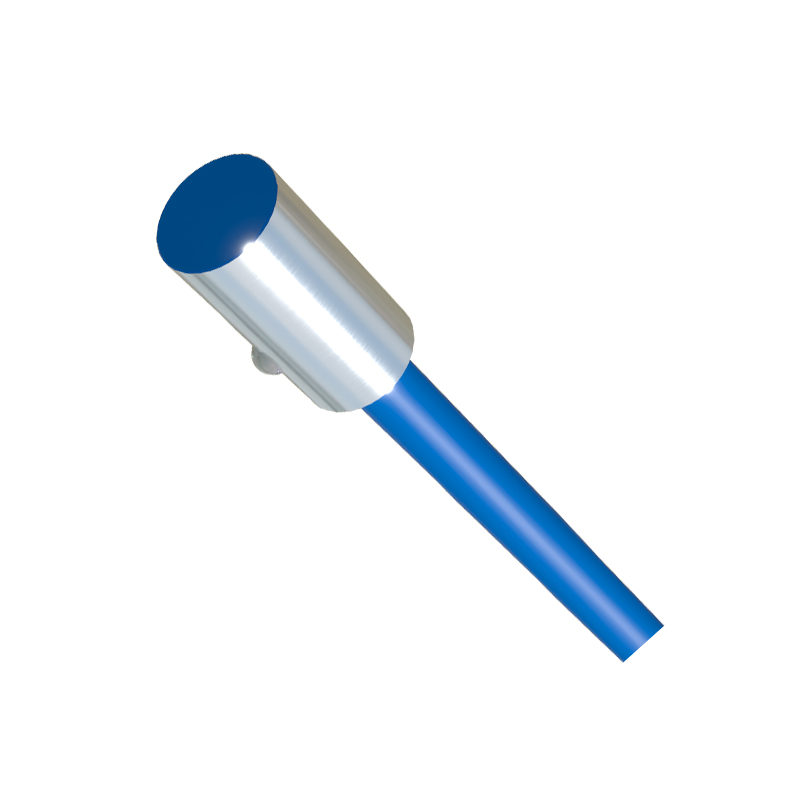
With specifications in hand, the sourcing process begins. The proximity sensor sales market is served by a mix of global automation giants, specialized sensor manufacturers, and regional distributors. Major manufacturers offer extensive catalogs, strong technical support, and global availability but may come with higher costs and longer lead times for specialized models. Specialized sensor companies often provide innovative solutions for niche applications. Local and online distributors are key for availability, competitive pricing, and local logistics support.
When engaging with a sensor supplier or sales representative, be prepared with your detailed requirement list. A reputable supplier will ask probing questions about your application to ensure a correct match, not just sell a part number. Request detailed datasheets and, if possible, samples for testing in the actual application environment. This validation step can prevent costly misapplications and downtime later. Inquire about availability, lead times for standard and custom units, and the terms of warranty and technical support.
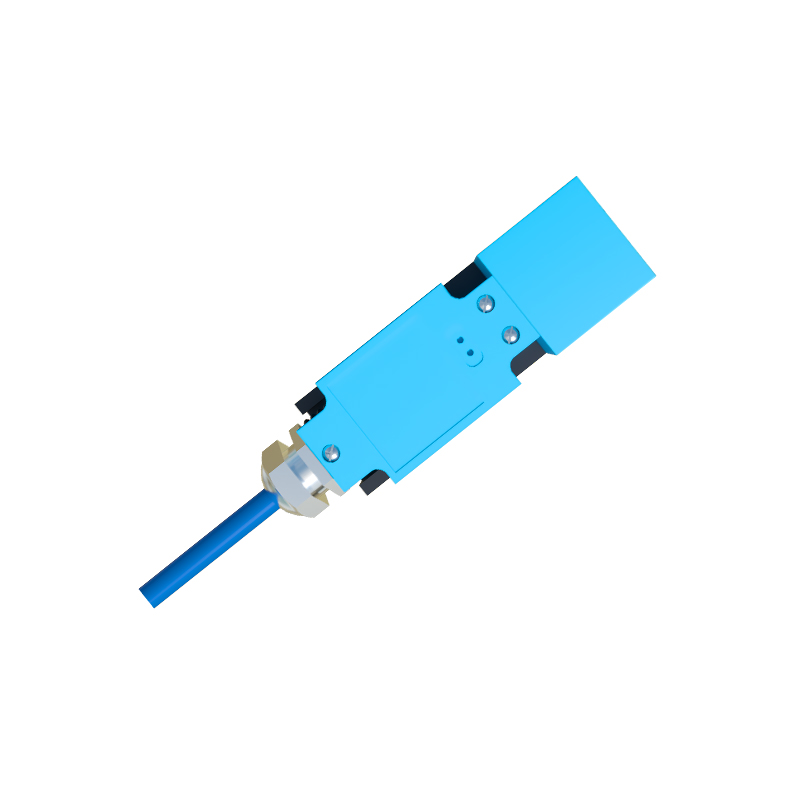
Cost is always a factor, but it should be evaluated as total cost of ownership. A slightly higher initial price for a sensor with a longer lifespan, higher reliability, and better environmental sealing can lead to significant savings by reducing machine downtime, maintenance labor, and replacement frequency. Consider the supplier's ability to provide consistent quality and stable long-term supply, which is vital for production continuity.
Finally, the landscape of proximity sensor sales is evolving. Smart sensors with IO-Link communication are becoming more prevalent, offering benefits like remote configuration, condition monitoring, and easier integration into Industry 4.0 data collection systems. While traditional discrete sensors will dominate for simple presence detection, specifying sensors with future-proof features can add flexibility. Building a strong relationship with a knowledgeable and responsive supplier is an invaluable asset, turning the procurement process into a strategic partnership that supports operational efficiency and innovation.