In the realm of industrial automation and machinery, the ability to detect the presence or absence of an object without physical contact is paramount. Among the various technologies that enable this, the red proximity switch sensor stands out as a reliable and widely used solution. This guide delves into the intricacies of these sensors, explaining their operation, key features, and diverse applications.
At its core, a red proximity switch sensor is a type of non-contact sensor that emits a beam of red light—typically from a Light Emitting Diode (LED)—to detect objects within its sensing range. The term "red" specifically refers to the wavelength of the light source, which is usually around 660 nm, falling within the visible spectrum. This visibility is a distinct advantage, as it allows for easy alignment and troubleshooting during installation and maintenance. Technicians can visually confirm that the sensor is active and see where its beam is pointed.
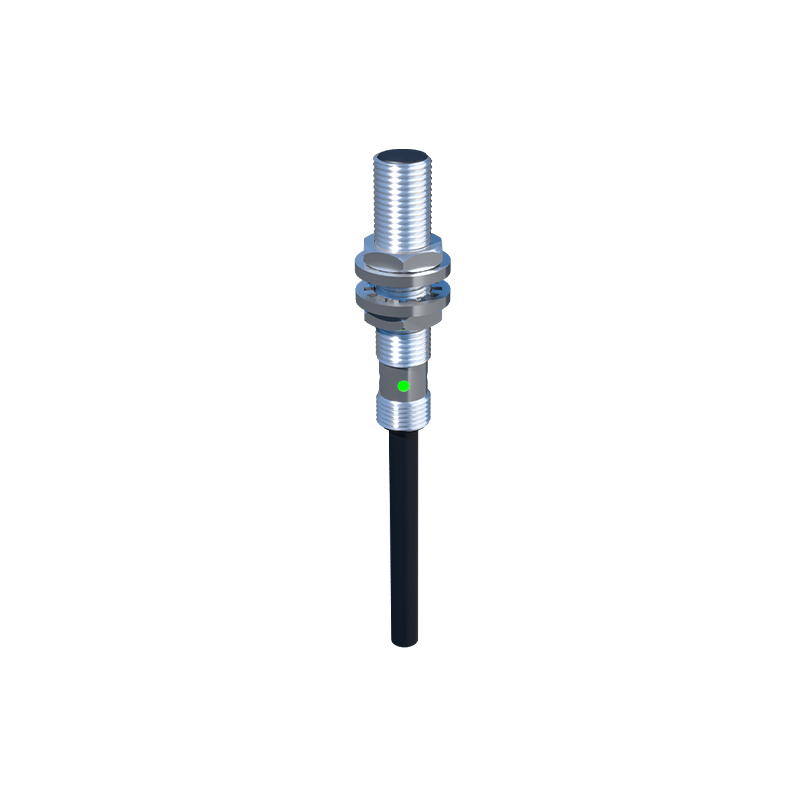
The fundamental working principle is based on the modulation and reflection of light. The sensor's emitter constantly sends out a modulated red light beam. When an object enters the detection zone, this light beam is reflected back towards the sensor. A separate receiver component, usually a phototransistor or photodiode, detects this reflected light. The sensor's internal circuitry then processes this signal. If the intensity of the reflected light exceeds a pre-set threshold, the sensor's output state changes, typically switching a solid-state transistor or a relay to indicate the object's presence. This entire process happens in milliseconds, enabling high-speed detection.
There are two primary modes of operation for these optical proximity sensors: diffuse reflective and retro-reflective. The diffuse reflective type, the most common form of red proximity sensor, detects light reflected directly off the surface of the target object. Its sensing distance is influenced by the object's color, material, and surface finish; lighter and more reflective surfaces are detected from a greater distance. The retro-reflective type, on the other hand, requires a reflector (like a specialized tape or prism) mounted opposite the sensor. The sensor emits light to the reflector, which bounces it directly back. An object passing between the sensor and the reflector interrupts this beam, triggering detection. This method offers longer and more consistent sensing ranges compared to the diffuse type.
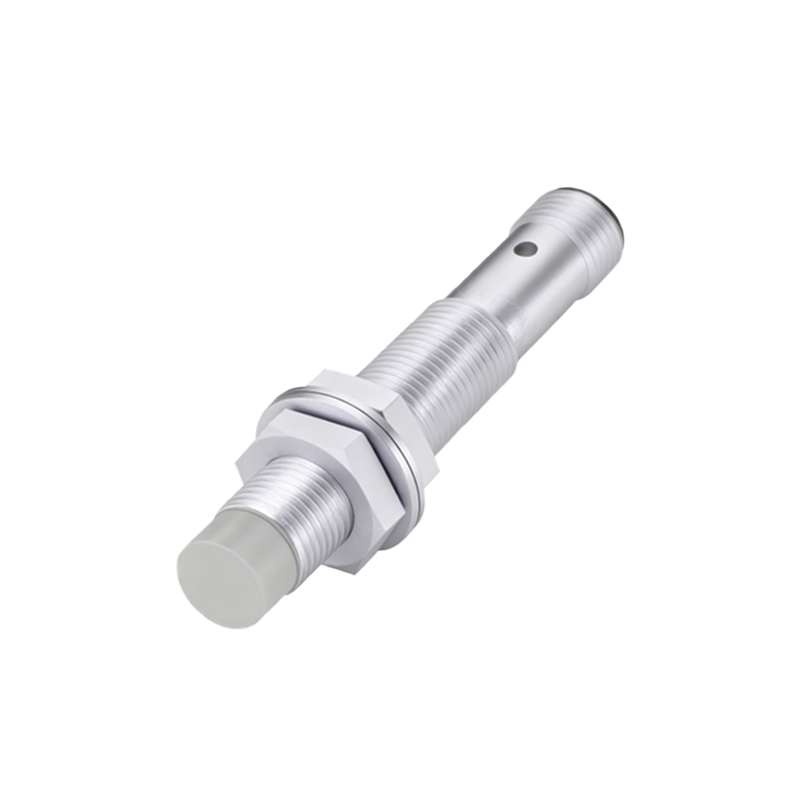
Key specifications define the performance of a red proximity switch. The sensing distance, usually specified in millimeters or inches, indicates the maximum range at which a standard object can be reliably detected. Response time is critical for high-speed applications, denoting how quickly the sensor can react to an object entering or leaving its field. Many models feature a potentiometer for sensitivity adjustment, allowing users to fine-tune the sensor to ignore background objects or detect specific materials. The output configuration is another vital aspect, with common types being NPN (sinking) or PNP (sourcing) transistor outputs, which interface with programmable logic controllers (PLCs) and other control systems.
The advantages of using red light proximity sensors are numerous. Their non-contact nature eliminates mechanical wear and tear, leading to exceptional longevity and reliability. They are capable of detecting a vast array of materials, including metals, plastics, wood, and glass, although with varying effectiveness. The visible red beam simplifies setup and alignment significantly. Furthermore, they are generally resistant to environmental factors like dust and dirt compared to some other sensing technologies, though excessive contamination can still impair function.
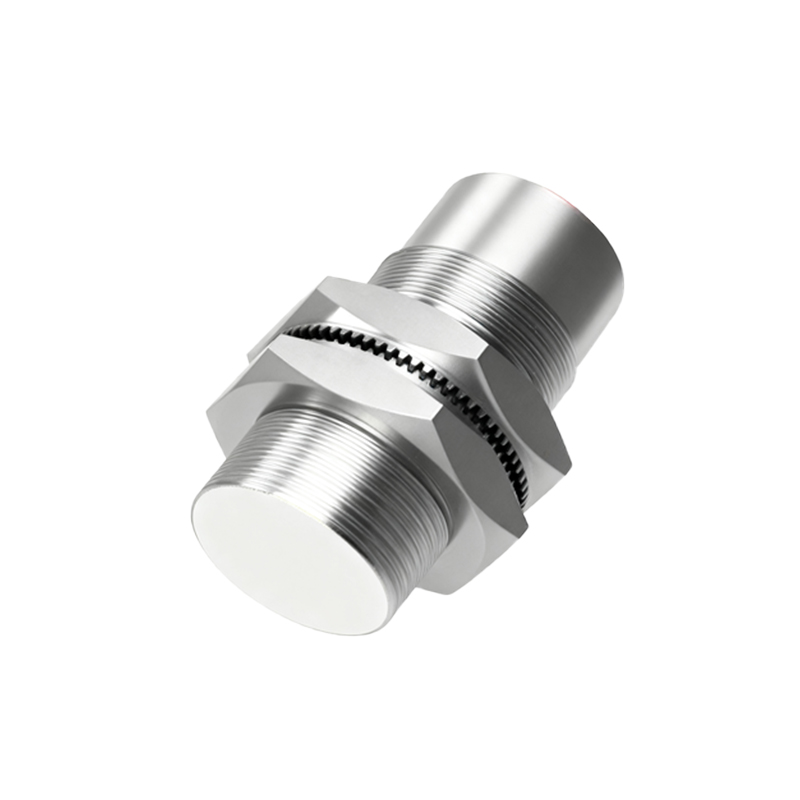
These sensors find applications across countless industries. In packaging and material handling, they are used for counting bottles on a conveyor, detecting the presence of a box for taping, or ensuring proper product positioning. Within automated assembly lines, they verify if a component is present before a robotic arm performs an operation. They act as safety devices to confirm that a guard door is closed before machinery starts. In the printing industry, they detect paper jams or the leading edge of a sheet. Even in everyday consumer electronics, similar principles are used for functions like detecting when a smartphone is held to the ear during a call.
When selecting a red proximity switch sensor, several factors must be considered. The operating environment is crucial; models with higher Ingress Protection (IP) ratings are necessary for wet or dusty conditions. The required sensing distance and the size, color, and material of the target object will determine the sensor type and power needed. Electrical compatibility with the existing control system (voltage, current, output type) is non-negotiable. Finally, physical constraints like available mounting space and housing style (cylindrical, rectangular, etc.) play a significant role in the selection process.
In conclusion, the red proximity switch sensor is a versatile and indispensable component in modern automation. Its simple yet effective principle of operation, combined with the practical benefit of a visible sensing beam, makes it a preferred choice for engineers and technicians worldwide. By understanding its working principles, specifications, and ideal applications, one can effectively integrate this sensor to enhance