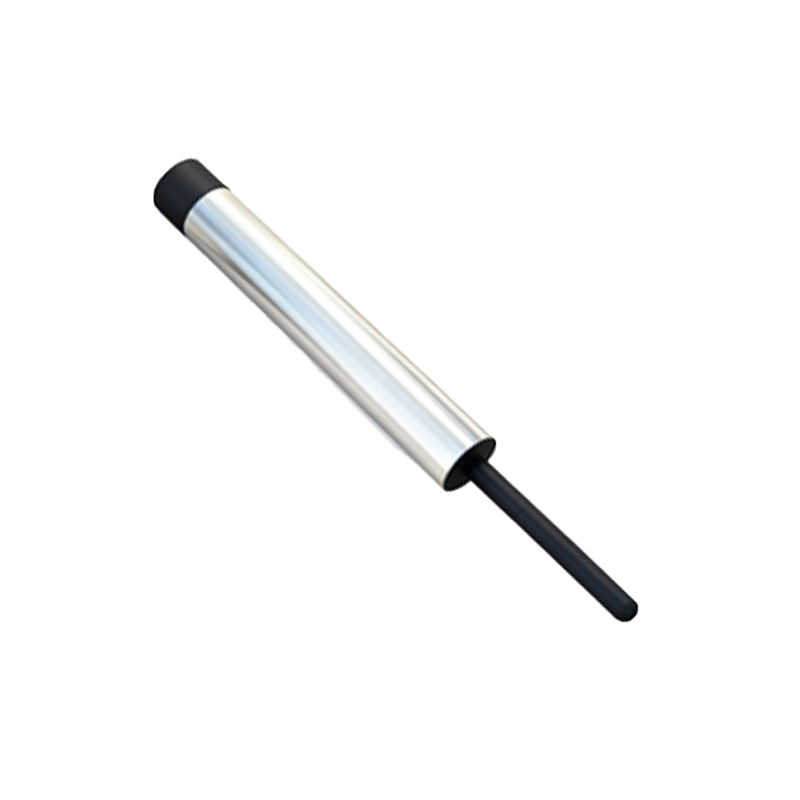
Capacitive proximity sensors, a cornerstone of modern industrial automation, have revolutionized how machines interact with their environment. Among the leading innovators in this field is Carvit, a brand synonymous with precision, durability, and advanced sensing technology. Unlike their inductive counterparts that detect only metals, capacitive sensors possess the unique ability to detect a vast array of materials—liquids, plastics, glass, wood, and granular substances—through non-contact means. This versatility makes them indispensable in complex manufacturing, packaging, food and beverage, and pharmaceutical applications.
The fundamental operating principle of a Carvit capacitive proximity sensor is elegantly simple yet highly effective. The sensor's active face forms one plate of a capacitor, with the target object acting as the other plate. An internal oscillator generates an electromagnetic field. When a target material enters this sensing field, it alters the dielectric constant and thus the capacitance of the system. This change triggers the sensor's internal circuitry to switch its output state, sending a signal to the programmable logic controller (PLC). Carvit engineers have refined this technology to achieve exceptional stability, minimizing false triggers from ambient humidity or temperature fluctuations—a common challenge in harsh industrial settings.
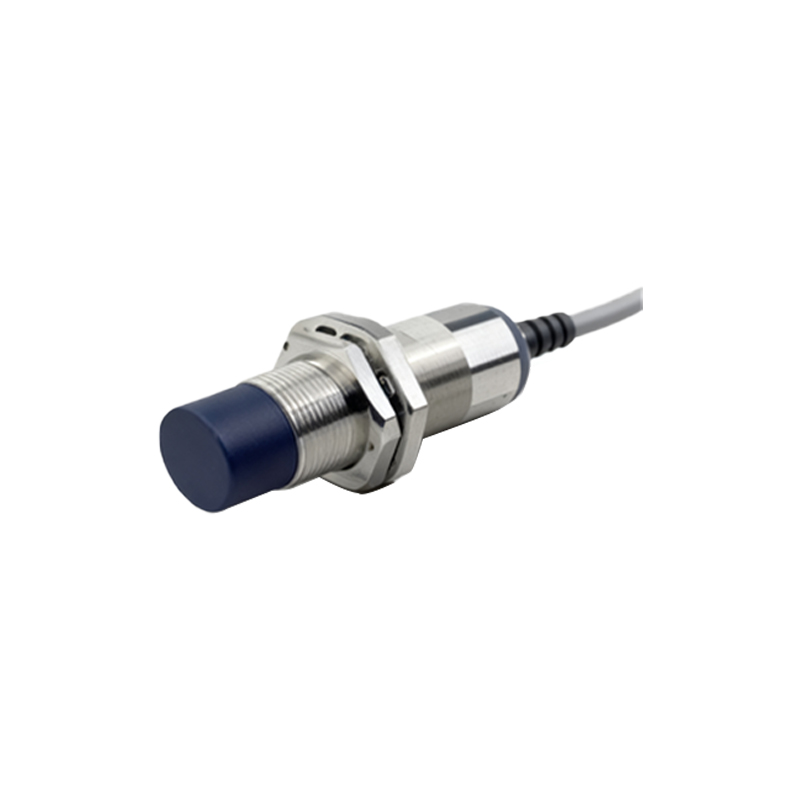
Carvit's product line showcases a commitment to adaptability and robustness. Key series include the compact CXP series for space-constrained installations, the rugged CXM series with extended sensing ranges for bulk material detection in silos or hoppers, and the hygienic CXF series featuring polished stainless steel housings and FDA-compliant seals for washdown environments in food processing. Many models offer sensitivity adjustment potentiometers, allowing technicians to fine-tune the detection threshold for specific materials or to ignore interfering background objects like container walls. This adjustability is crucial for applications such as monitoring fill levels of non-conductive bottles on a high-speed conveyor or detecting the presence of glue or adhesive behind a panel.
The advantages of integrating Carvit capacitive sensors into an automation system are manifold. Their non-contact nature ensures zero wear and tear on both the sensor and the target, leading to dramatically reduced maintenance and longer service life compared to mechanical limit switches. They provide consistent, high-speed detection crucial for synchronizing fast-paced production lines. Furthermore, their ability to function through non-metallic barriers allows for creative mounting solutions, protecting the sensor from direct exposure to corrosive chemicals or abrasive materials. In liquid level control, for instance, a Carvit sensor can reliably detect the presence of water, oil, or chemical solutions inside a plastic or glass tank from the exterior, eliminating the need for invasive and potentially leak-prone float switches.
When selecting a Carvit capacitive sensor, several technical parameters demand careful consideration. The nominal sensing range (Sn), typically from a few millimeters to several centimeters, must be chosen based on the application geometry. Industry-standard housing materials like nickel-plated brass, stainless steel (V2A/V4A), or PBT plastic cater to different environmental demands regarding chemical resistance and mechanical impact. Output configurations include NPN, PNP, analog (4-20mA, 0-10V), or IO-Link digital communication, enabling seamless integration into both simple and smart factory networks. The IP67, IP68, or IP69K ingress protection ratings guarantee reliable operation despite dust, water jets, or temporary immersion.
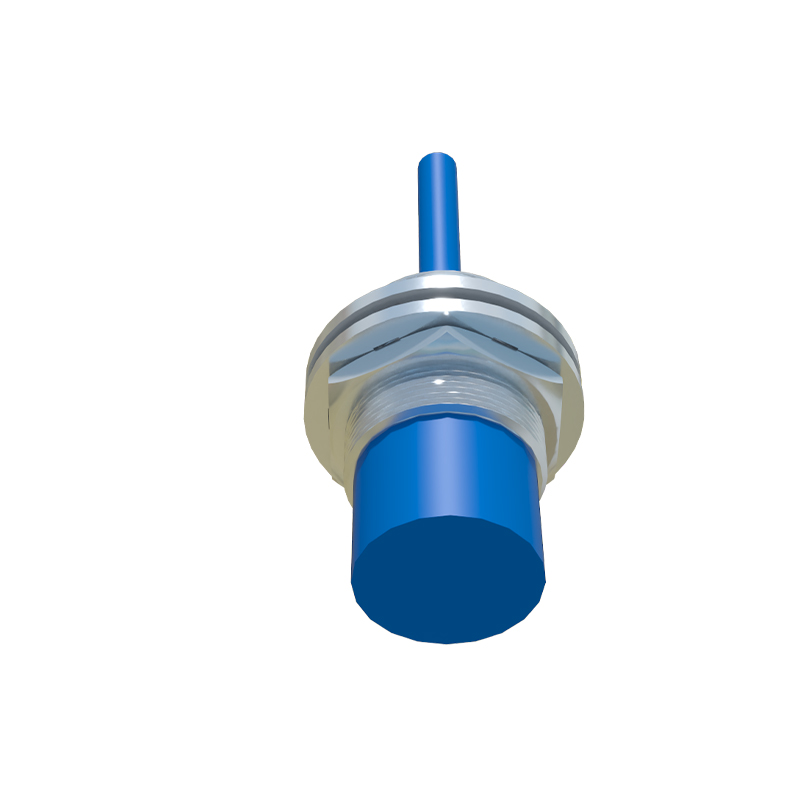
Looking ahead, the role of capacitive sensors is expanding with Industry 4.0. Carvit is at the forefront, integrating advanced diagnostics and predictive maintenance features into its next-generation sensors. Models with IO-Link capability can transmit not just a simple switch signal but also real-time parameter data like operating temperature, signal strength, and device health to supervisory systems. This facilitates condition-based monitoring, allowing for maintenance to be scheduled proactively before a failure causes costly downtime. In smart packaging lines, this intelligence ensures consistent quality control by detecting missing labels, incorrect fill levels, or material defects with unparalleled accuracy.
In conclusion, Carvit capacitive proximity sensors represent a blend of proven physical principles and cutting-edge electronic design. Their material-agnostic detection capability solves a wide spectrum of industrial sensing challenges that optical or inductive sensors cannot address. By offering reliable, maintenance-free operation in demanding conditions and evolving to meet the data-driven needs of the digital factory, Carvit solidifies its position as a trusted partner for engineers seeking to enhance the efficiency, safety, and intelligence of their automated systems. Specifying the right sensor—with the correct range, housing, output, and connectivity—is a critical step in building a resilient and productive automation infrastructure.