In the rapidly evolving landscape of industrial automation, the demand for precise, reliable, and versatile sensing solutions has never been higher. Among the myriad of technologies available, micro long-range proximity sensors have emerged as a pivotal innovation, offering unparalleled performance in compact form factors. These sensors are engineered to detect the presence or absence of objects at significant distances without physical contact, making them indispensable in applications ranging from manufacturing and logistics to robotics and safety systems.
The core technology behind micro long-range proximity sensors often involves advanced principles such as inductive, capacitive, ultrasonic, or photoelectric sensing. Inductive sensors, for instance, are ideal for detecting metallic objects by generating an electromagnetic field. When a metal target enters this field, it induces eddy currents, altering the sensor's oscillation amplitude and triggering a detection signal. These sensors can achieve ranges up to several centimeters, with micro variants designed for high-density installations where space is at a premium. Capacitive sensors, on the other hand, can detect both metallic and non-metallic materials by measuring changes in capacitance, extending their utility in diverse environments.
One of the standout features of micro long-range proximity sensors is their ability to operate in harsh industrial conditions. With robust housings typically made from materials like stainless steel or engineered plastics, they resist dust, moisture, vibrations, and extreme temperatures. This durability ensures consistent performance in sectors such as automotive assembly lines, where sensors must endure constant mechanical stress and environmental contaminants. Moreover, advancements in microelectronics have enabled these sensors to incorporate smart functionalities, including self-diagnosis, adjustable sensing ranges, and digital communication protocols like IO-Link. These features facilitate seamless integration into Industry 4.0 frameworks, allowing for real-time data monitoring and predictive maintenance.
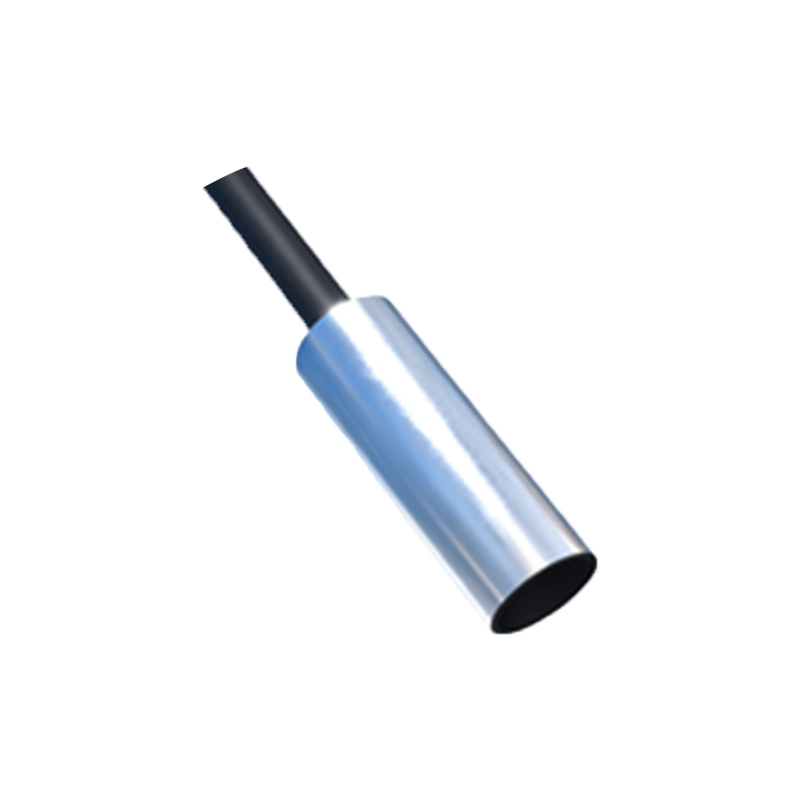
The design of micro long-range proximity sensors emphasizes miniaturization without compromising on range or accuracy. Traditional proximity sensors might be bulky, limiting their deployment in tight spaces. In contrast, micro sensors, with diameters as small as 4mm, can be embedded into intricate machinery or mobile devices, enabling new possibilities in automation. For example, in robotic arms, these sensors provide precise feedback for object handling, reducing errors and enhancing efficiency. In logistics, they are used in conveyor systems to track items without direct contact, minimizing wear and tear. The extended sensing range, often exceeding 50mm for certain models, allows for flexible installation, reducing the need for precise alignment and lowering maintenance costs.
Energy efficiency is another critical advantage of modern micro long-range proximity sensors. By utilizing low-power circuits and sleep modes, they contribute to sustainable operations, aligning with global trends toward energy conservation. This is particularly relevant in battery-powered applications, such as autonomous guided vehicles (AGVs) or portable inspection tools, where prolonged operation is essential. Additionally, the sensors' high switching speeds, capable of reaching thousands of cycles per second, support high-throughput processes in industries like packaging and electronics manufacturing.
Despite their benefits, selecting the right micro long-range proximity sensor requires careful consideration of factors such as target material, environmental conditions, required range, and output type (e.g., PNP, NPN, analog). Engineers must also account for potential interference from other electrical devices or metallic backgrounds, which can affect sensor accuracy. To mitigate these issues, manufacturers offer shielded and unshielded variants, with shielded sensors providing focused detection zones to avoid false triggers. Calibration and testing in real-world scenarios are recommended to ensure optimal performance.
Looking ahead, the future of micro long-range proximity sensors is poised for further innovation. Emerging trends include the integration of wireless connectivity for IoT applications, enhanced sensitivity through AI algorithms, and the development of multi-functional sensors that combine proximity detection with temperature or pressure sensing. As industries continue to automate and digitize, these sensors will play a crucial role in enabling smarter, more responsive systems. Their ability to deliver reliable data over extended distances in miniature packages makes them a cornerstone of modern engineering, driving efficiency and safety across countless domains.
In summary, micro long-range proximity sensors represent a significant leap forward in sensing technology. By blending compact design with robust performance, they address the growing needs of industrial automation, offering solutions that are both practical and forward-looking. As research and development progress, we can expect even more sophisticated versions to emerge, further expanding their impact on the global industrial landscape.