In the rapidly evolving landscape of industrial automation, proximity sensors have emerged as critical components for enhancing operational efficiency, safety, and reliability. This case study delves into real-world applications of automation proximity sensors, highlighting their transformative impact across various sectors. Proximity sensors, which detect the presence or absence of objects without physical contact, are integral to modern manufacturing, logistics, and robotics systems. Their ability to provide precise, non-contact sensing makes them indispensable in environments where accuracy and speed are paramount.
One notable application is in automotive assembly lines, where inductive proximity sensors are employed to detect metal components during production. For instance, in a leading automotive plant, these sensors monitor the positioning of engine parts on conveyor belts, ensuring each component is correctly aligned before welding. By eliminating manual checks, the system reduces human error and increases throughput by 20%. The sensors operate reliably in harsh conditions, withstanding vibrations, dust, and temperature fluctuations, which underscores their durability in industrial settings.
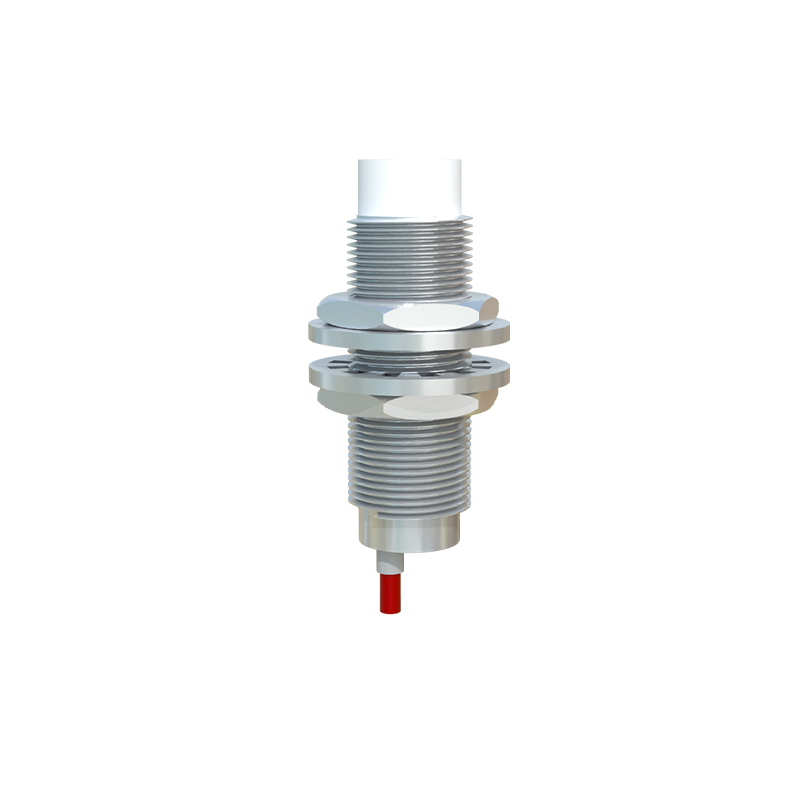
Another compelling case involves the use of capacitive proximity sensors in food and beverage packaging. A multinational company integrated these sensors into its bottling line to detect liquid levels in glass containers. Unlike optical sensors, capacitive variants are unaffected by transparent materials, providing consistent readings even with clear liquids. This implementation minimized product waste by 15% and enhanced quality control by flagging underfilled bottles in real-time. The sensors' rapid response time—often in milliseconds—ensures seamless integration with high-speed production lines, maintaining a flow rate of over 500 units per minute.
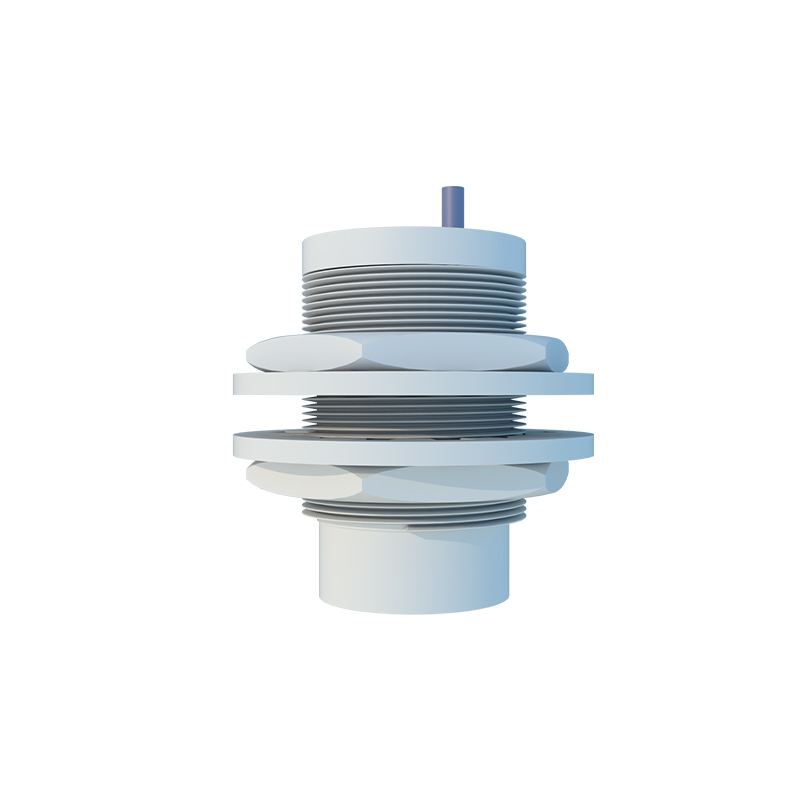
In warehouse automation, magnetic proximity sensors play a pivotal role in robotic guidance systems. A logistics firm deployed these sensors on automated guided vehicles (AGVs) to navigate storage aisles. The sensors detect magnetic markers embedded in the floor, enabling precise positioning and collision avoidance. This setup improved inventory management efficiency by 30%, reducing downtime caused by manual interventions. Additionally, the sensors' low power consumption and minimal maintenance requirements contribute to long-term cost savings, with an estimated ROI of 18 months post-installation.
The healthcare industry also benefits from proximity sensor technology, particularly in medical device manufacturing. Ultrasonic proximity sensors are used to monitor the assembly of sterile equipment, such as syringes and implants. In a case study from a medical device manufacturer, these sensors ensured proper component placement without contamination risks, as they operate without touching sensitive surfaces. This application boosted production accuracy by 25% and complied with stringent regulatory standards, such as ISO 13485, by providing traceable data logs for quality audits.
Emerging trends, including the integration of IoT connectivity, are further expanding the capabilities of proximity sensors. Smart sensors equipped with wireless communication can transmit data to central control systems, enabling predictive maintenance and real-time analytics. For example, in a smart factory pilot project, networked proximity sensors monitored machine tool wear, alerting operators before failures occurred. This proactive approach reduced unplanned downtime by 40% and extended equipment lifespan, showcasing how digital transformation leverages sensor technology for sustainable operations.
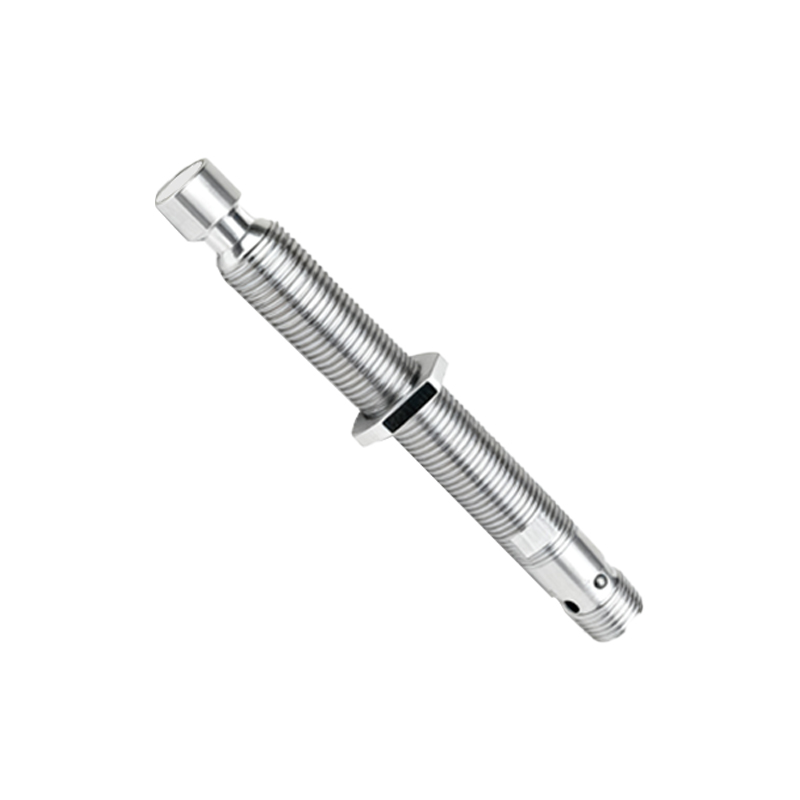
Despite their advantages, challenges such as electromagnetic interference (EMI) and material compatibility must be addressed. Engineers recommend selecting sensors based on environmental factors, like target material composition and operating range. Regular calibration and shielding techniques can mitigate interference, ensuring consistent performance. As industries advance toward Industry 4.0, proximity sensors will continue to evolve, with innovations in miniaturization and energy efficiency driving future applications.
In conclusion, automation proximity sensors are vital enablers of industrial progress, offering tangible benefits in productivity, safety, and cost-effectiveness. By examining these case studies, it is evident that their strategic deployment can lead to significant operational improvements. As technology advances, these sensors will play an increasingly central role in shaping the automated workplaces of tomorrow, fostering innovation across global industries.