In demanding industrial settings where exposure to corrosive agents is a constant challenge, selecting the right proximity sensor is critical for ensuring reliability, longevity, and safety. Standard sensors can quickly succumb to aggressive chemicals, salts, high humidity, or extreme pH levels, leading to frequent failures, unplanned downtime, and increased maintenance costs. Corrosion-resistant proximity sensors are specifically engineered to withstand these harsh conditions, offering robust performance in industries such as chemical processing, marine, food and beverage, wastewater treatment, and offshore applications. This article explores the primary types of corrosion-resistant proximity sensors, their construction, key features, and application considerations.
The foundation of a sensor's corrosion resistance lies in its housing material and sealing integrity. The most common and effective housing material for severe environments is stainless steel, particularly grades 316 and 316L. These austenitic stainless steels offer excellent resistance to a wide range of corrosive substances, including chlorides and acidic solutions. For even more aggressive environments, such as those involving strong acids or high chloride concentrations, sensors with housings made from specialty alloys like Hastelloy, titanium, or even plastics like PVDF (Polyvinylidene Fluoride) or PEEK (Polyether Ether Ketone) are employed. The sensing face, a critical point of potential weakness, is often made from a chemically inert material like PTFE (Teflon) or ceramic to prevent degradation and ensure consistent detection performance.
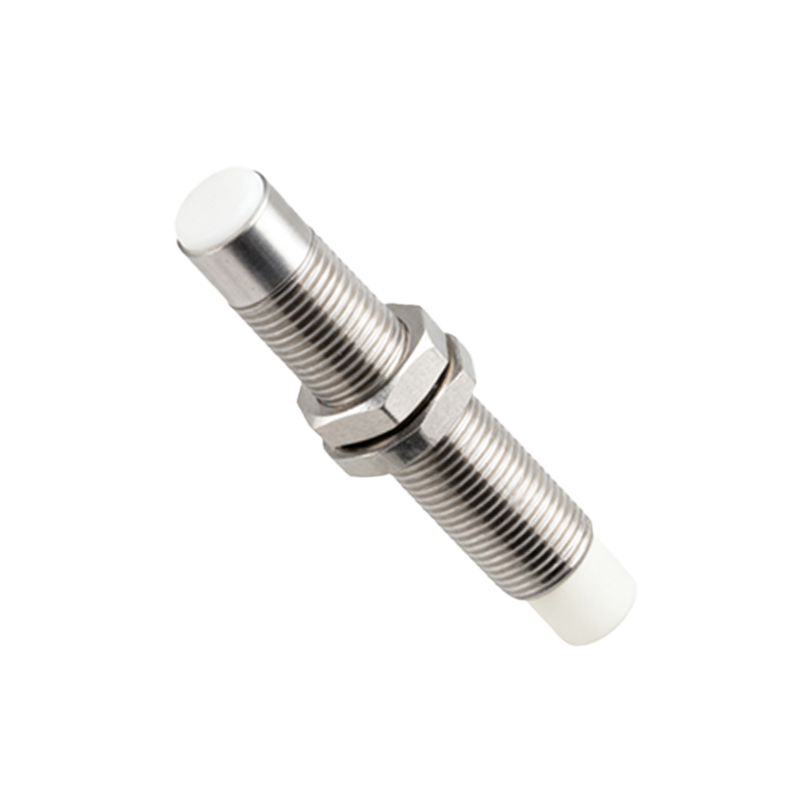
Beyond the housing, the sealing method is paramount. High-quality corrosion-resistant sensors typically feature laser-welded stainless steel housings, which create a hermetic seal superior to traditional epoxy potting or gasket seals. This laser welding prevents corrosive media from penetrating the internal electronics. Additionally, these sensors boast high Ingress Protection (IP) ratings, such as IP67, IP68, and IP69K. IP68 and IP69K ratings are particularly relevant for applications requiring prolonged immersion or high-pressure, high-temperature washdowns, common in food, pharmaceutical, and marine industries.
Several sensing technologies are utilized within these rugged enclosures, each with its own advantages. Inductive proximity sensors are the most prevalent type for detecting metallic objects in corrosive environments. They generate an electromagnetic field, and a metal target entering this field induces eddy currents, causing the sensor to switch. Corrosion-resistant inductive sensors are ideal for detecting valves, pistons, or machine parts in chemical plants or marine equipment. Capacitive proximity sensors can detect both metallic and non-metallic materials (liquids, plastics, glass) by measuring changes in capacitance. In corrosive settings, they are often used for liquid level detection in chemical tanks or for monitoring material presence in aggressive processing lines. Ultrasonic sensors use sound waves to detect objects and measure distance, making them suitable for applications where the sensor must be positioned away from direct contact with corrosive media, such as monitoring tank levels in wastewater facilities.
When specifying a corrosion-resistant proximity sensor, engineers must conduct a thorough analysis of the operating environment. Key factors include: the specific chemical agents present, their concentration, temperature, and potential for condensation or splash; the required sensing distance and target material; mechanical stresses like vibration or shock; and the necessary electrical output (e.g., PNP/NPN, analog, IO-Link). Compliance with industry-specific standards, such as those from NACE (National Association of Corrosion Engineers) for offshore and oil/gas applications, or EHEDG/3-A sanitary standards for food processing, is often mandatory.
Installation and maintenance practices also influence sensor lifespan. Even the most robust sensor can fail if installed incorrectly. Using compatible, corrosion-resistant mounting hardware (e.g., 316 stainless steel nuts) is essential. Regular inspection for physical damage, coating degradation, or seal compromise is recommended. Many modern sensors feature diagnostic capabilities via IO-Link, providing real-time data on health and performance, enabling predictive maintenance.
In conclusion, the investment in properly specified corrosion-resistant proximity sensors is a strategic decision that pays dividends in operational continuity and total cost of ownership. By matching the sensor's construction materials, sealing technology, and sensing principle to the specific corrosive challenges of the application, engineers can build more resilient and reliable automation systems capable of thriving in the world's most punishing industrial environments.