In the realm of industrial automation and safety systems, proximity sensors have become indispensable components. Specifically designed to detect the presence or absence of objects without physical contact, these sensors are widely utilized across various applications. But when it comes to human detection, a critical question arises: Are proximity sensors truly useful? This article delves into the functionality, types, and practical applications of proximity sensors in human-centric environments, providing a comprehensive analysis for engineers and industry professionals.
Proximity sensors operate on different principles, including inductive, capacitive, ultrasonic, and infrared technologies. Inductive sensors are effective for detecting metallic objects but are generally unsuitable for human detection due to the non-metallic nature of the human body. In contrast, capacitive proximity sensors excel in this domain. They detect changes in capacitance caused by the presence of a human body, which acts as a dielectric material. This makes them ideal for applications like touch-sensitive switches, automatic faucets, and safety barriers in machinery where human interaction is frequent.
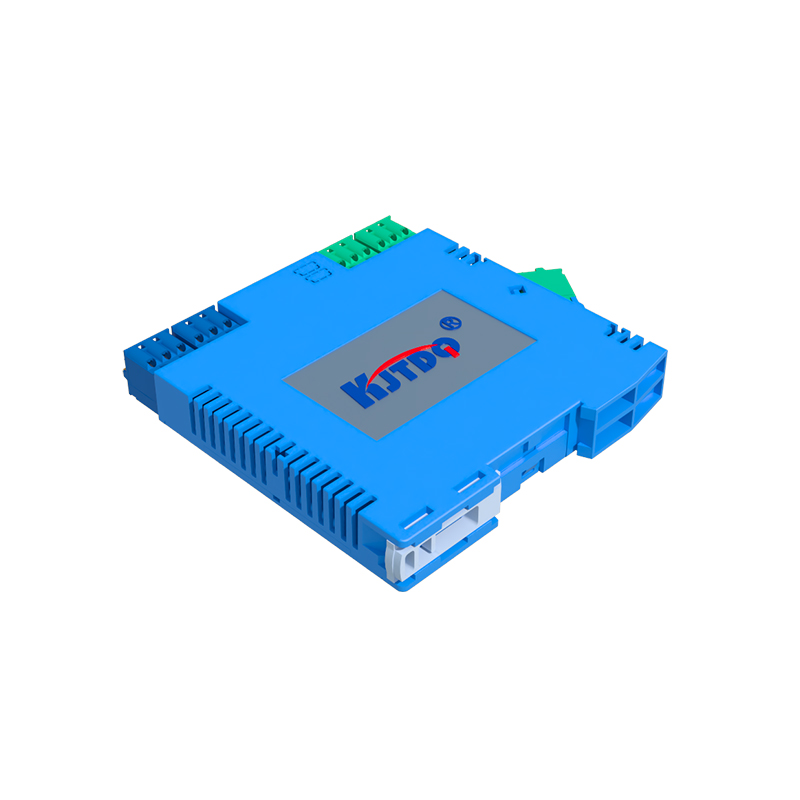
Ultrasonic proximity sensors emit high-frequency sound waves and measure the time taken for echoes to return. They can detect humans regardless of material composition, making them suitable for presence detection in areas like elevators or automated doors. However, their performance may be affected by environmental factors such as temperature and humidity. Infrared sensors, on the other hand, detect heat radiation from the human body, commonly used in motion-activated lighting and security systems. While effective, they may have limitations in distinguishing humans from other heat sources.
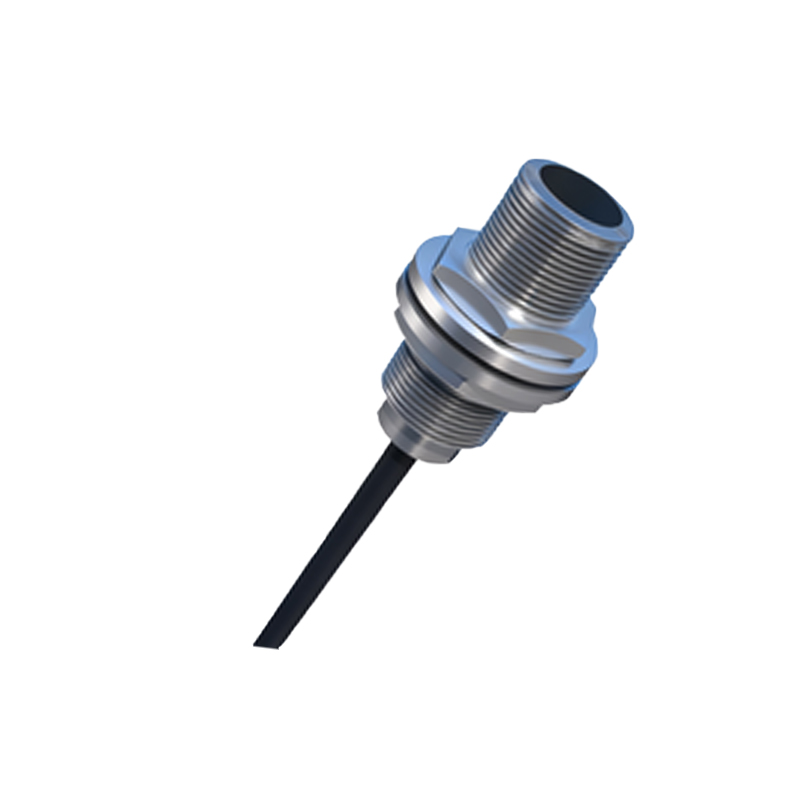
The usefulness of proximity sensors for human detection is evident in multiple industrial and commercial settings. In manufacturing plants, capacitive sensors ensure operator safety by halting machinery when a hand approaches a hazardous zone. In healthcare, ultrasonic sensors monitor patient movement in beds, alerting staff to potential falls. Retail spaces employ infrared sensors for energy-efficient lighting and customer counting. Each type offers distinct advantages: capacitive sensors provide high sensitivity, ultrasonic sensors offer versatility, and infrared sensors deliver cost-effective motion detection.
However, challenges exist. False triggers can occur with capacitive sensors in humid conditions, while ultrasonic sensors might misinterpret reflections from non-human objects. Infrared sensors can be fooled by ambient heat sources. To mitigate these issues, engineers often integrate multiple sensor types or combine sensors with software algorithms for enhanced accuracy. For instance, a combination of capacitive and infrared sensors can reduce false positives in security applications.
From an engineering perspective, selecting the right proximity sensor for human detection depends on factors like range, environment, response time, and cost. Capacitive sensors are preferred for short-range, high-precision tasks, while ultrasonic sensors suit larger areas with variable conditions. Infrared sensors are optimal for motion-based applications where cost is a constraint. Regular maintenance and calibration are crucial to ensure long-term reliability, as sensor performance can degrade over time due to dust, moisture, or mechanical wear.
In conclusion, proximity sensors are highly useful for human detection when appropriately selected and implemented. They enhance safety, efficiency, and automation in diverse industries. By understanding their principles and limitations, engineers can leverage these sensors to create smarter, safer systems. As technology advances, innovations like AI-enhanced sensor fusion promise even greater accuracy, making proximity sensors an enduring asset in the electrical engineering landscape.