Proximity sensors are indispensable components in modern industrial automation, providing non-contact detection of objects within a specific range. Among the various types available, the embedded or flush-mountable proximity sensor represents a specialized and crucial design for many applications. This article delves into the fundamental principles, types, advantages, and typical use cases of embedded proximity sensors, offering a clear perspective for engineers and technicians in the electrical and automation fields.
At its core, a proximity sensor is a device that detects the presence or absence of an object without physical contact. It does this by emitting an electromagnetic field or a beam of electromagnetic radiation (like infrared light) and then looking for changes in the field or return signal. Embedded proximity sensors are specifically designed to be mounted flush with (or embedded into) a surrounding metal surface or mounting bracket. This design is in contrast to non-flush or cylindrical sensors, which require a clear space around their sensing face to operate correctly.
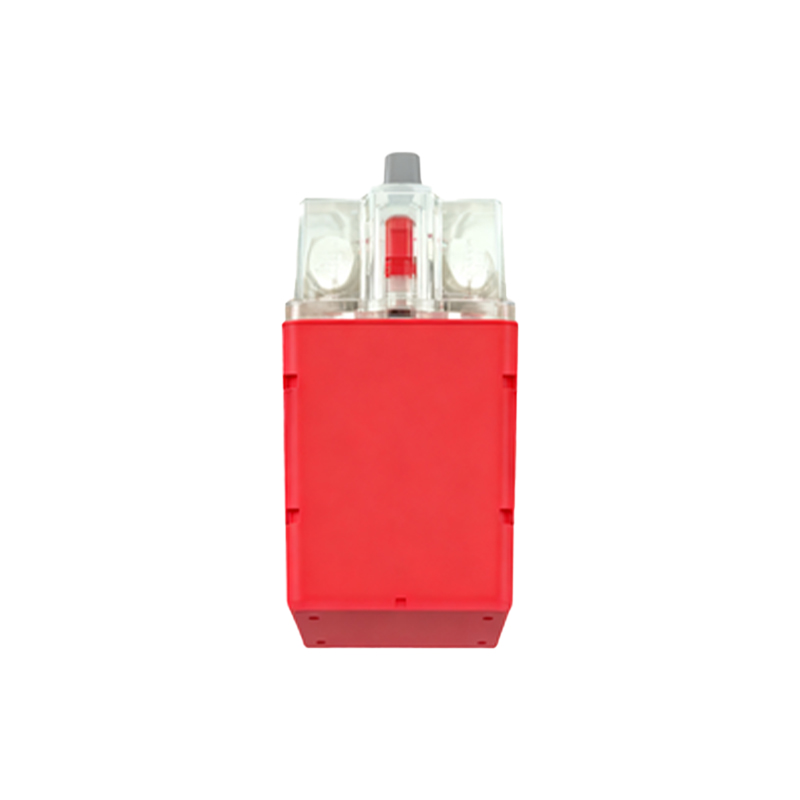
The primary technology behind most embedded inductive proximity sensors is electromagnetic induction. The sensor contains an oscillator circuit that generates a high-frequency electromagnetic field at its active face. When a metallic object (the target) enters this field, eddy currents are induced on the surface of the metal. These eddy currents draw energy from the oscillator, causing a reduction in its amplitude. This amplitude change is detected by a threshold circuit, which subsequently triggers a solid-state switch (the output) to change state, signaling the object's presence. Because the sensor's field is concentrated directly in front of its face and is partially shielded by its metal housing or mounting, it is less susceptible to side-effects from adjacent metallic structures, allowing for flush installation.
Key types of embedded proximity sensors include:
1. Inductive Sensors: Detect ferrous and non-ferrous metals. They are the most common type for metal detection in machinery.
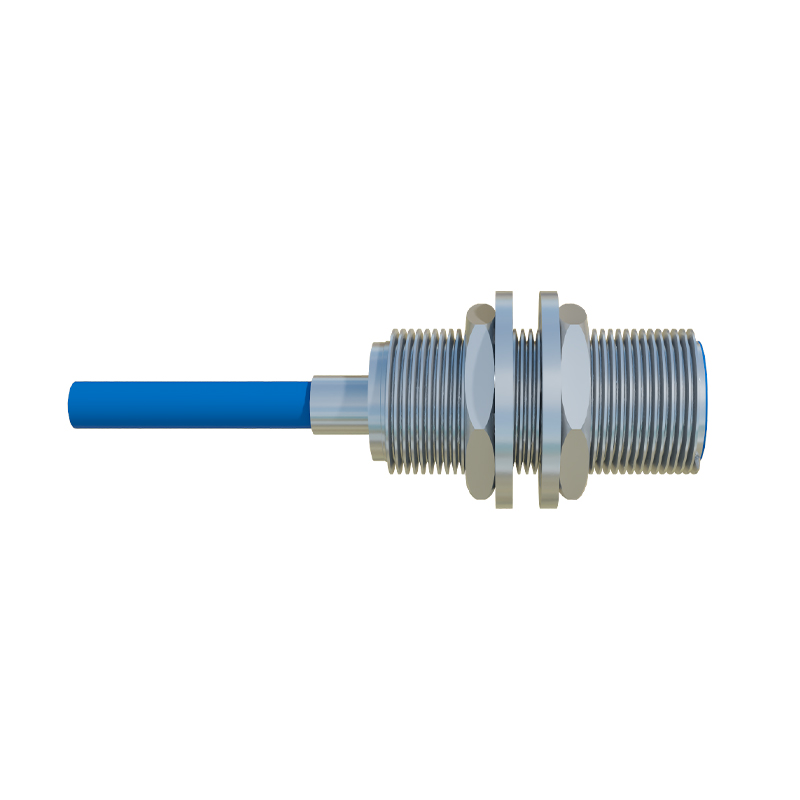
2. Capacitive Sensors: Can detect both metallic and non-metallic materials (plastics, wood, liquids, granules) by measuring changes in capacitance. Embedded versions are used where a protected, flush mounting is needed.
3. Magnetic Sensors (Reed Switch or Hall Effect): Specifically detect permanent magnets. They are often used for position sensing in cylinders.
The embedded design offers several distinct advantages:
Space Efficiency and Protection: By mounting flush, the sensor does not protrude, saving space and minimizing the risk of physical damage from impacts, scrapes, or passing objects. The sensing face is often nearly flush with a robust housing.
Resistance to Environmental Factors: The housing provides better protection against chips, coolants, dust, and other contaminants common in industrial settings like machining centers, stamping presses, and automated assembly lines.
Simplified Installation and Maintenance: Mounting requires only a single hole, simplifying mechanical design and installation. There's no need to account for lateral clearance, making them ideal for tight spaces.
Reduced False Triggering: The shielded design minimizes the sensing range laterally, making the sensor less likely to detect adjacent metal parts like the mounting bracket itself or nearby machine elements, leading to more reliable operation.
Typical applications for embedded proximity sensors are widespread across manufacturing and processing industries:
Position Sensing and End-of-Travel Detection: Verifying if a cylinder piston has fully extended or retracted, or confirming the position of a machine slide or door.
Object Counting and Presence Verification: Counting parts on a conveyor (if metallic) or verifying a part is present in a fixture before a machining operation begins.
Rotational Speed Monitoring: Detecting gear teeth or bolts on a rotating shaft to monitor RPM.
Level Detection: Using capacitive embedded sensors to detect the presence of liquids or granular materials in tanks or hoppers through non-metallic walls.
When selecting an embedded proximity sensor, critical parameters must be considered: the sensing distance (rated operating distance, typically shorter for embedded styles), the target material and size, the output type (PNP/NPN, NO/NC), the supply voltage, the housing material (often nickel-plated brass or stainless steel), and the environmental protection rating (IP67, IP69K, etc.).
In conclusion, the embedded proximity sensor is a vital, ruggedized solution for reliable non-contact detection in space-constrained and harsh industrial environments. Its ability to be mounted flush offers significant mechanical and operational benefits, ensuring long-term reliability in automated systems. Understanding its operating principles and selection criteria is essential for engineers designing robust, efficient, and safe automation solutions. Proper integration of these sensors contributes directly to increased machine uptime, improved product quality, and enhanced operational safety.