Proximity sensors for cylinders are indispensable components in modern industrial automation, playing a critical role in monitoring the position of pneumatic and hydraulic cylinder pistons. These sensors provide non-contact detection, offering high reliability, long service life, and resistance to harsh environmental conditions such as dust, oil, and vibration. Unlike mechanical limit switches, they eliminate physical wear and tear, ensuring consistent performance and reducing maintenance downtime.
The core technology behind these sensors is based on detecting changes in an electromagnetic field or magnetic flux. For cylinder applications, two primary types dominate the market: inductive proximity sensors and magnetic reed or Hall-effect sensors. Inductive sensors are used with metallic actuator targets, typically a piston rod or a specially designed metal flag. They generate an oscillating electromagnetic field; when a conductive metal object enters this field, it causes a change in oscillation amplitude, which the sensor detects and converts into an electrical switch signal. These sensors are known for their high switching frequency and precision, making them ideal for high-speed automation cycles.
Magnetic sensors, including reed switches and Hall-effect sensors, are designed to detect the magnetic field of a permanent magnet embedded in the piston. As the piston moves, the magnet passes by the sensor, triggering a state change. Reed switches are simple, cost-effective, and can switch both AC and DC loads directly. Hall-effect sensors, being solid-state devices, offer even greater durability, faster response times, and precise switching points. They are increasingly favored in demanding applications due to their immunity to contact bounce and ability to operate at higher frequencies.
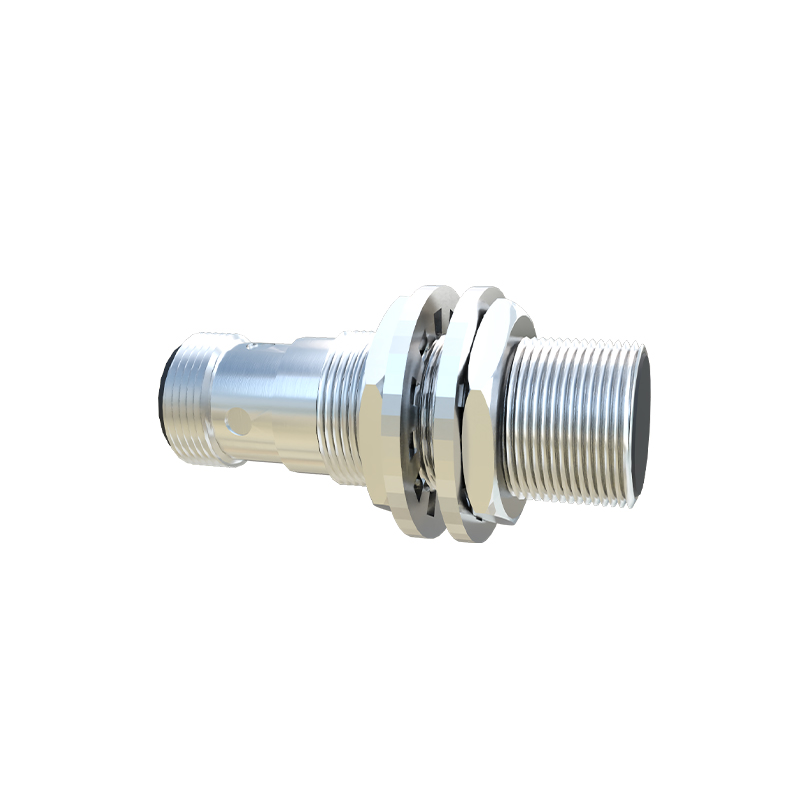
Selecting the right proximity sensor for a cylinder involves several key considerations. First, the sensing distance, or switching distance, must be appropriate for the application to ensure reliable detection without false triggers. Environmental factors are paramount; sensors are rated with Ingress Protection (IP) codes (e.g., IP67, IP69K) to indicate their resistance to solids and liquids. In washdown environments common in food and beverage or pharmaceutical industries, high IP ratings are essential. The electrical output type (e.g., PNP, NPN, NO, NC) must be compatible with the programmable logic controller (PLC) or other control systems. Physical form factor is also crucial, with designs ranging from tubular sensors to rectangular block styles and even miniature sensors for compact cylinders.
Installation and alignment are critical for optimal performance. Sensors must be mounted securely to prevent movement from vibration. Proper alignment with the target (metal flag or magnet) ensures the full rated sensing distance is achieved. Many modern sensors feature LED indicators for easy diagnostics, showing power status and switching state. Advanced models offer teach-in functionality or adjustable sensitivity, allowing fine-tuning on-site without replacement.
Leading manufacturers in this field continuously innovate, integrating features like IO-Link communication for digital data exchange, which enables predictive maintenance by monitoring parameters like operating temperature or switch cycle count. This connectivity is a cornerstone of Industry 4.0, transforming simple sensors into intelligent data points.
In summary, proximity sensors for cylinders are vital for efficient, reliable, and safe machine operation. Their evolution from simple switches to smart, connected devices reflects the broader trends in industrial automation. Proper selection, based on a thorough understanding of the operating principles, environmental demands, and system integration requirements, is fundamental to maximizing productivity and minimizing unplanned stoppages in any automated system utilizing linear actuators.