Proximity sensors are fundamental components in modern industrial automation, silently enabling countless processes with their ability to detect the presence or absence of an object without physical contact. Their operation hinges on the emission of an electromagnetic field or a beam of electromagnetic radiation, and the subsequent monitoring for changes in the field or return signal. The target object, often termed the "actuator," interacts with this field, triggering a solid-state output switch. This non-contact detection offers immense advantages over mechanical limit switches, including longer operational life, higher reliability, and the ability to sense objects where physical contact is impossible, undesirable, or could cause damage.
The core technology behind proximity sensors can be broadly categorized into several types, each suited to specific materials and environmental conditions. Inductive proximity sensors are the most common in industrial settings. They generate an oscillating electromagnetic field from a coil housed within the sensor face. When a metallic object enters this field, eddy currents are induced on the object's surface, which in turn dampens the oscillation amplitude of the sensor's internal circuit. This damping effect is detected, processed, and converted into a clean, digital output signal, typically toggling a transistor. These sensors are ideal for detecting ferrous and non-ferrous metals, though with varying sensing ranges, and are highly resistant to environmental contaminants like dust, oil, and coolant.
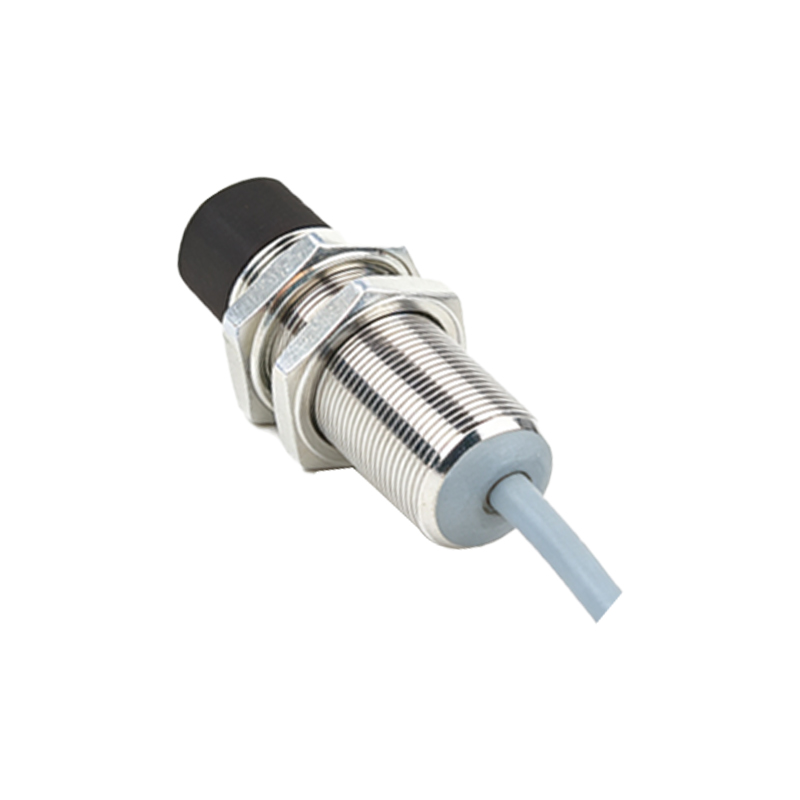
Capacitive proximity sensors, in contrast, can detect both metallic and non-metallic materials, including liquids, plastics, glass, and wood. They operate by generating an electrostatic field. When any object with a dielectric constant different from air enters this field, it alters the capacitance of the sensor's circuit. This change is measured, and once it exceeds a preset threshold, the output state changes. This makes capacitive sensors incredibly versatile for applications like liquid level detection, material presence sensing on conveyor belts (e.g., cardboard boxes, bottles), or detecting granulated substances.
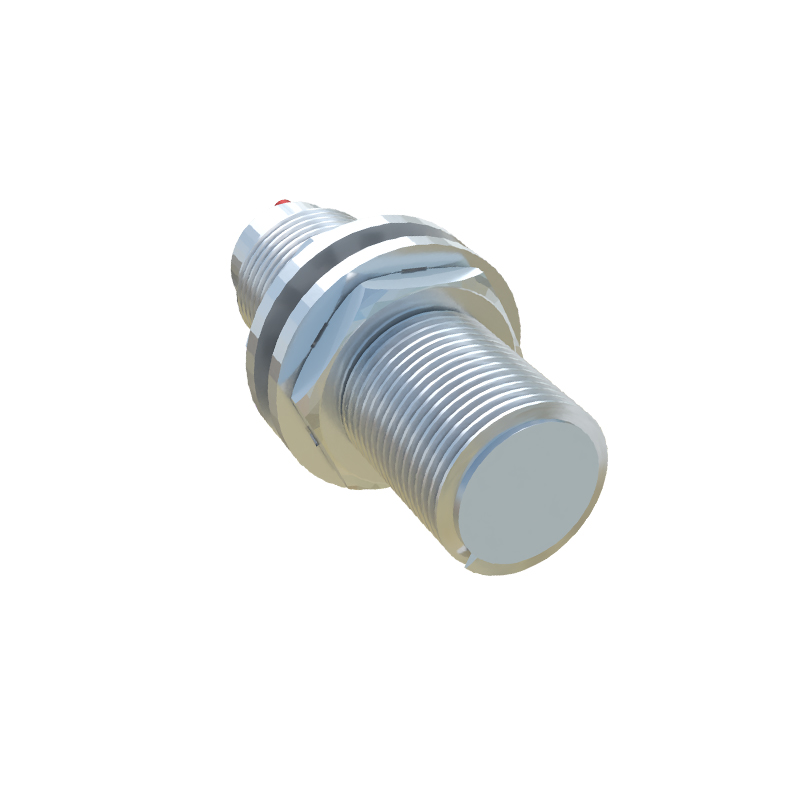
For longer-range detection and applications requiring precise positioning, photoelectric sensors are often employed. These consist of a light emitter (usually LED) and a receiver. They operate in three primary modes: through-beam (separate emitter and receiver), retro-reflective (a single unit with a reflector), and diffuse (or proximity) mode where the sensor detects light reflected directly from the target. While not always classified strictly under "proximity sensors" in technical catalogs, their diffuse mode function is conceptually identical. Ultrasonic sensors use a similar principle but with sound waves, measuring the time-of-flight of an ultrasonic pulse to detect objects and measure distance, excelling in harsh environments where light-based sensors might fail.
The selection of a proximity sensor for an industrial application is a critical engineering decision. Key parameters include sensing distance (rated and effective), the target material's properties, the required output type (NPN/PNP, NO/NC), environmental factors (temperature, IP rating for water/dust resistance), electrical characteristics (supply voltage, current consumption), and mounting considerations (flush or non-flush mounting for inductive types). For instance, an inductive sensor with a non-flush design offers a longer sensing range but requires more clearance around the mounting hole, whereas a flush-mounted sensor can be embedded in metal without issue but has a shorter range.
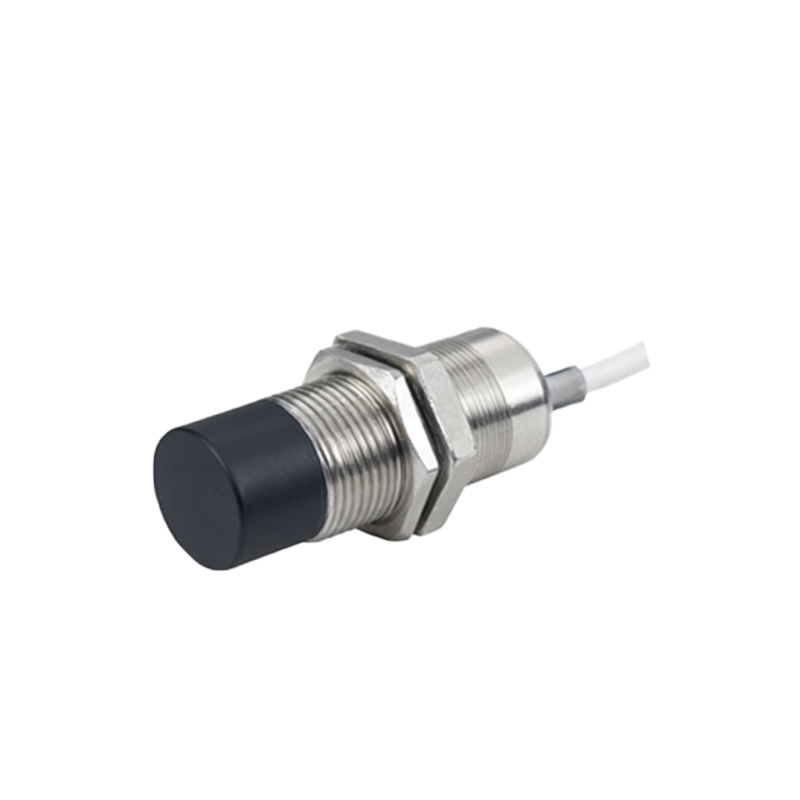
Installation and wiring are equally crucial. Proper shielding, grounding, and adherence to specified cable lengths are necessary to prevent electrical noise interference, which can cause erratic switching. Engineers must also consider mutual interference when mounting multiple sensors closely; maintaining a minimum separation distance as per the manufacturer's datasheet is mandatory to prevent them from affecting each other's fields.
In practice, these sensors form the sensory backbone of automated systems. On a high-speed packaging line, inductive sensors count metal cans, capacitive sensors ensure a liquid fill level is present, and photoelectric sensors verify label placement. In robotic welding cells, they provide precise positional feedback for arm movement and part presence. In material handling, they detect the position of pallets on conveyors or the open/closed status of doors and guards for safety interlocking.
Troubleshooting typically involves checking the power supply, verifying the target is within the specified sensing range and is of the correct material, inspecting for physical damage or accumulation of debris on the sensing face, and using a multimeter or the sensor's built-in LED indicator to monitor the output status. Understanding the fundamental operating principle—whether it's eddy current damping, capacitance change, or light beam interruption—is the first step in diagnosing any operational fault.
In conclusion, proximity sensors are not merely simple switches but sophisticated, application-specific devices. Their correct selection, installation, and integration are paramount to achieving robust, reliable, and efficient automation. As Industry 4.0 and the Industrial Internet of Things (IIoT) advance, these sensors are evolving with enhanced diagnostics, IO-Link communication for parameterization and data exchange, and greater resilience,