In the realm of industrial automation and machine safety, the reliable detection of objects is paramount. Among the diverse array of sensing technologies, proximity switches and infrared through-beam sensors stand out for their precision, robustness, and versatility. This article delves into the operational principles, key applications, and critical selection factors for these essential components in modern electrical and control systems.
Understanding Proximity Switches
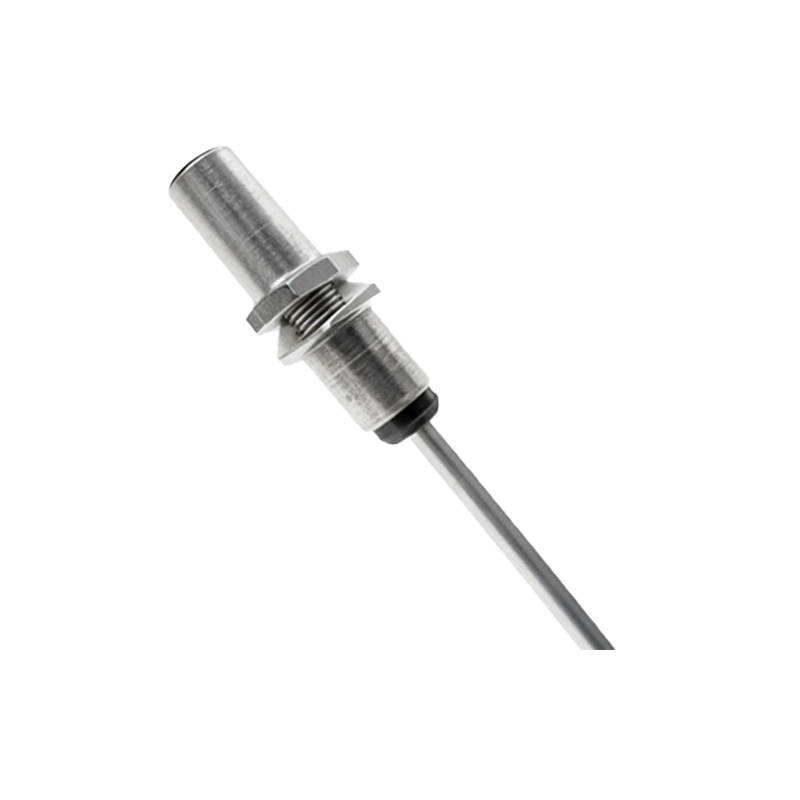
Proximity switches, often termed proximity sensors, are non-contact devices that detect the presence or absence of a target object within their sensing field without physical contact. They operate on various principles, including inductive, capacitive, and magnetic. Inductive sensors are predominantly used for detecting metallic objects, generating an electromagnetic field. When a metal target enters this field, it induces eddy currents, causing a change in the sensor's oscillation amplitude, which is then processed to trigger a switching output. Capacitive sensors, on the other hand, can detect both metallic and non-metallic materials (like plastics, liquids, or wood) by sensing changes in capacitance caused by the target object altering the electrostatic field. Magnetic proximity switches, or reed switches, activate in the presence of a magnetic field.
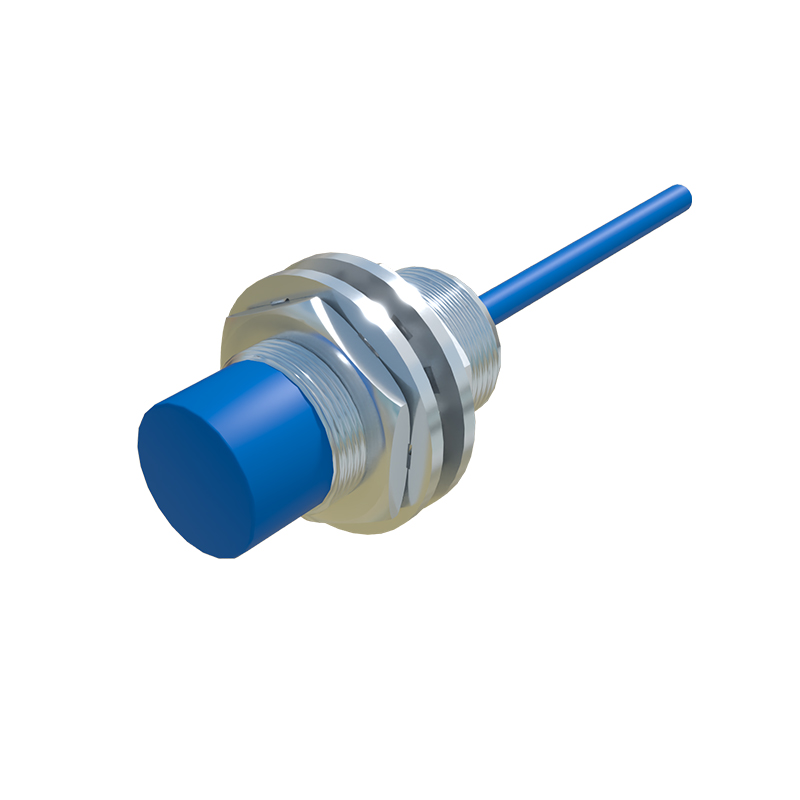
These switches are celebrated for their long operational life, high switching frequency, and resistance to environmental factors like dirt, oil, and moisture when properly housed. Common applications include position sensing in conveyors, end-of-travel detection in actuators, part counting in assembly lines, and safety interlocks on machine guards.
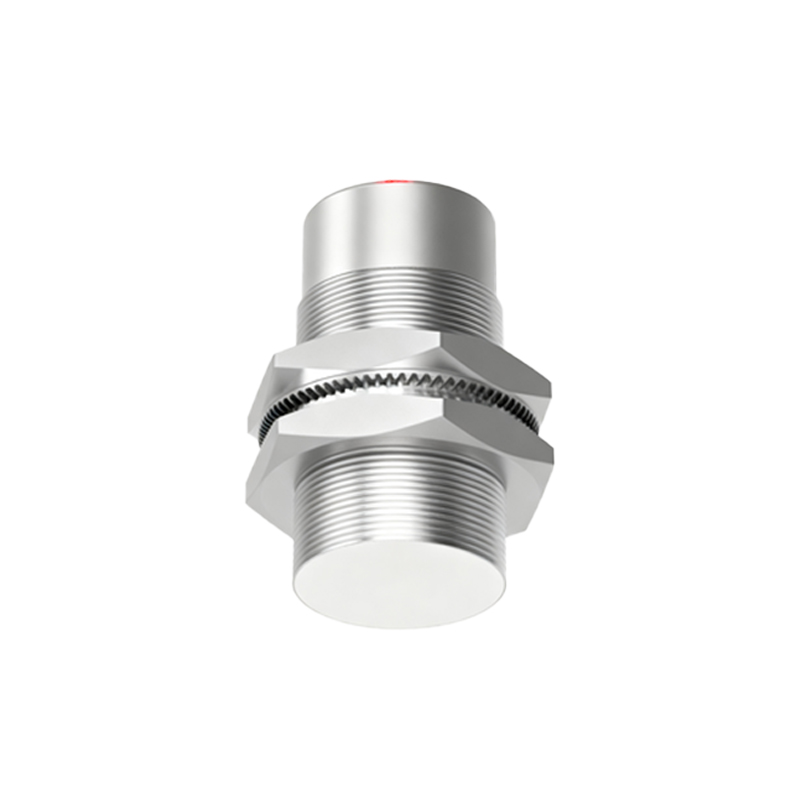
The Role of Infrared Through-Beam Sensors
Infrared through-beam sensors, a subtype of photoelectric sensors, consist of two separate units: a transmitter and a receiver. The transmitter emits a focused beam of infrared light, which is then received by the opposing unit. The detection principle is straightforward: an object is sensed when it interrupts this light beam. This "break-beam" method allows for very long sensing ranges, high accuracy, and the ability to detect virtually any object, regardless of material, color, or surface finish, provided it is opaque enough to break the beam.
Key advantages include exceptional reliability in challenging environments. Since the receiver only needs to see the specific modulated IR signal from its paired transmitter, these sensors are highly immune to ambient light interference. They are ideal for applications requiring precise detection over distances, such as object presence verification in packaging machinery, break detection in material webs (like paper or film), safety light curtains for personnel protection, and vehicle detection in automated guided vehicle (AGV) systems.
Comparative Analysis and Selection Guidelines
Choosing between a standard proximity switch and an infrared through-beam sensor depends heavily on the application's specific requirements.
Target Material: For exclusive detection of metals, especially at short ranges, inductive proximity switches are cost-effective and robust. For non-metals or a mix of materials, capacitive proximity switches or IR through-beam sensors are necessary.
Sensing Distance: Proximity switches typically have shorter sensing ranges (a few millimeters to tens of millimeters). IR through-beam sensors can operate effectively over distances from a few centimeters up to several tens of meters.
Environmental Conditions: Both types are available in rugged, IP-rated housings. Proximity switches are generally less affected by airborne contaminants like dust or steam that can scatter light, making them suitable for dirty environments. IR through-beam sensors can be affected by heavy accumulation on lenses but are superior in wet or highly reflective environments compared to diffuse-reflective photoelectric sensors.
Precision and Speed: IR through-beam sensors offer very high positional accuracy and fast response times, crucial for high-speed counting or small-part detection. Proximity switches also offer high switching speeds but with less positional precision relative to the beam's thin cross-section.
Installation and Alignment: Proximity switches are simpler, requiring only one unit to be mounted. IR through-beam sensors require precise mechanical alignment of the separate transmitter and receiver, which can be more complex but is often facilitated by alignment indicators.
Integration and Best Practices
Successful integration into a control system involves careful electrical consideration. Most sensors provide discrete DC outputs (PNP/NPN) or relay contacts compatible with PLCs (Programmable Logic Controllers) and other control devices. Wiring must adhere to manufacturer specifications for voltage (commonly 10-30V DC) and load current. For IR through-beam sensors in safety applications, certified devices with monitored outputs and redundancy are mandatory.
Regular maintenance, though minimal, is vital. Lenses of IR sensors should be kept clean. The sensing faces of proximity switches should be free of metallic swarf buildup. Always verify the sensor's performance after any maintenance on the surrounding machinery.
In conclusion, both proximity switches and infrared through-beam sensors are indispensable tools in the electrical engineer's arsenal. A clear understanding of their fundamental principles, coupled with a systematic evaluation of the application's demands