In the demanding landscape of modern industrial automation, the reliability of sensing technology is paramount. Among the various challenges faced on factory floors, mining sites, and material handling facilities, dust and particulate matter stand out as pervasive and destructive adversaries. This is where dust-resistant proximity sensors, engineered specifically to combat these conditions, become indispensable components. Their role extends far beyond simple object detection; they are critical enablers of continuous operation, safety, and data integrity in harsh environments.
Conventional proximity sensors, while effective in clean settings, are highly vulnerable to contamination. Dust particles can accumulate on the sensor's face, physically obstructing the sensing field—whether inductive, capacitive, or photoelectric. For optical sensors, dust scatters light beams, causing false triggers or failure to detect. For inductive sensors, a thick layer of non-metallic dust can interfere with the electromagnetic field. This contamination leads to frequent malfunctions: missed counts, erroneous machine stops, or, more dangerously, failure to detect a fault condition. The resultant downtime for cleaning, maintenance, or replacement incurs significant costs in lost productivity and labor.
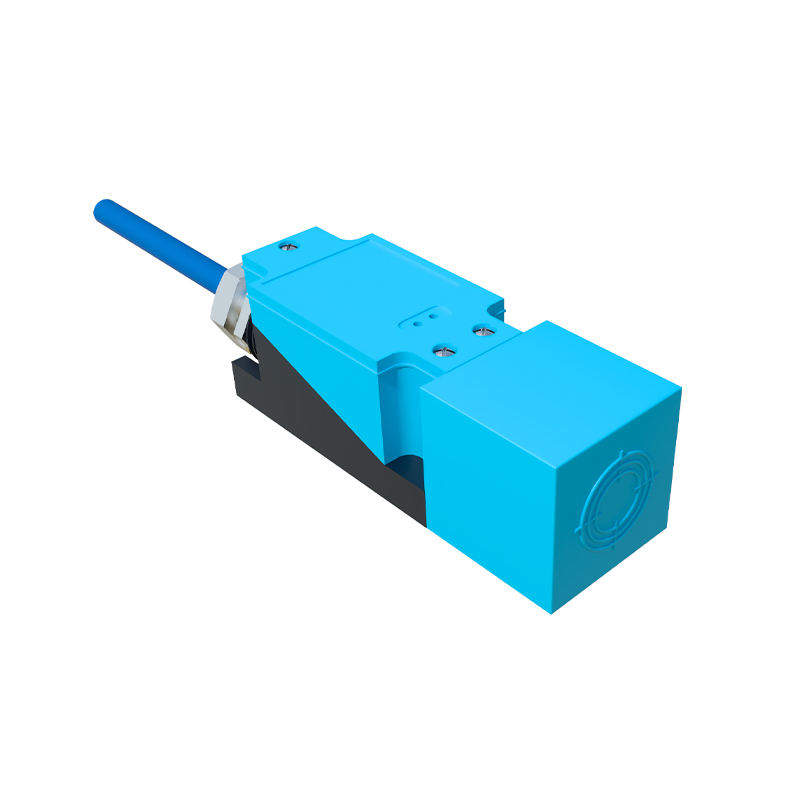
Dust-resistant proximity sensors are designed with a multi-faceted defense strategy. The first line of defense is physical sealing. These sensors typically boast high Ingress Protection (IP) ratings, such as IP67 or IP69K. The "6" indicates complete protection against dust ingress, while the second digit denotes protection against liquids. This is achieved through robust housing materials, specialized seals, and potted electronics that prevent fine particulates from penetrating the internal circuitry. The sensing face is often designed with a smooth, flush surface or a steep angle to discourage dust accumulation. Some models incorporate air purge connections, allowing a continuous flow of clean, dry air across the lens or sensing surface to blow away settling dust actively.
The internal design also adapts to dusty conditions. For optical sensors, this might involve using high-power LEDs and sophisticated lens designs that maintain a strong, focused beam capable of penetrating light dust clouds. Advanced models feature automatic gain control or background suppression technology to ignore reflections from dust particles floating in the air, focusing only on the true target. Inductive sensors are built with shielded designs that concentrate the electromagnetic field directly ahead, minimizing side sensitivity and interference from accumulated debris on surrounding surfaces.
The applications for these rugged sensors are vast and critical. In the cement and mining industries, they monitor the level of powdered materials in silos, detect the position of crusher jaws, and control conveyor belt sequencing—all amidst clouds of abrasive dust. In woodworking and metal fabrication, they ensure tool positioning and part presence despite the constant generation of sawdust or metal shavings. In food and pharmaceutical processing, where hygiene is crucial, dust-resistant sensors (often made of stainless steel and capable of withstanding wash-downs) prevent cross-contamination and ensure packaging line efficiency by detecting containers through layers of flour, powder, or granules.
Implementing dust-resistant sensors is not merely a replacement exercise; it is a strategic investment. The primary benefit is dramatically increased mean time between failures (MTBF), leading to higher overall equipment effectiveness (OEE). Reduced unplanned downtime translates directly to higher throughput and lower maintenance costs. Furthermore, these sensors enhance operational safety. In environments like grain elevators or chemical plants, where dust can be explosive, sensors certified for use in hazardous areas (with appropriate ATEX or IECEx ratings) prevent ignition risks, protecting both personnel and assets. The data reliability they provide ensures that control systems receive accurate signals, enabling precise automation and process optimization.
When selecting a dust-resistant proximity sensor, engineers must consider the specific nature of the threat. Is the dust conductive, abrasive, or explosive? What is the particle size and concentration? The operating environment dictates the required IP rating, housing material (e.g., nickel-plated brass, stainless steel), sensing technology, and any necessary certifications. Proper installation is equally vital; even the best sensor can fail if mounted in a location where dust can settle heavily or if its cabling entry points are not properly sealed.
In conclusion, in an era where industrial efficiency and uptime are non-negotiable, the humble proximity sensor has evolved into a hardened sentinel. Dust-resistant proximity sensors are no longer niche products but fundamental elements of robust system design. By providing unwavering reliability in the face of one of industry's most common contaminants, they form the silent, dependable backbone that allows automated processes to run smoothly, safely, and continuously, turning potential points of failure into pillars of productivity.