In the rapidly evolving landscape of industrial automation, the demand for compact, reliable, and high-precision sensing solutions has never been greater. Among the most critical components driving this transformation are ultra-miniature proximity switch sensors. These devices, often no larger than a grain of rice, are engineered to detect the presence or absence of objects without physical contact, making them indispensable in applications where space is at a premium and operational efficiency is paramount.
Ultra-miniature proximity sensors typically operate on inductive, capacitive, or magnetic principles. Inductive sensors are widely used for detecting metallic objects, leveraging electromagnetic fields to sense ferrous and non-ferrous metals. Capacitive sensors, on the other hand, can detect both metallic and non-metallic materials, including liquids and plastics, by measuring changes in capacitance. Magnetic sensors utilize Hall effect or reed switch technology to sense magnetic fields, making them ideal for position detection in harsh environments. The selection of sensing technology depends largely on the specific application requirements, such as target material, sensing distance, and environmental conditions.
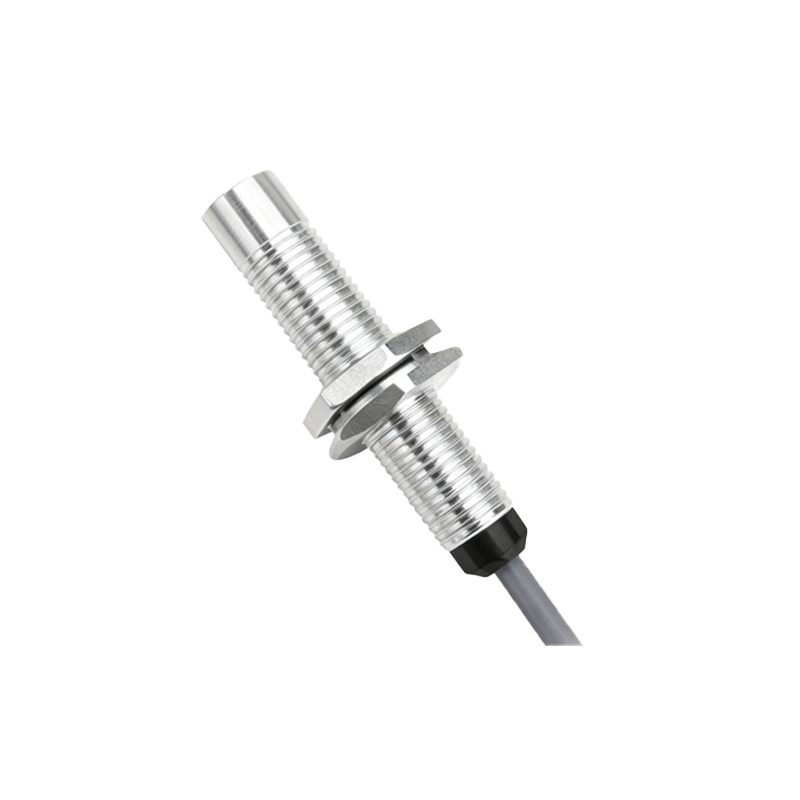
One of the most significant advantages of ultra-miniature proximity sensors is their ability to integrate seamlessly into tight spaces. Traditional sensors often pose challenges in miniaturized equipment, robotics, and medical devices, where every millimeter counts. These tiny sensors enable designers to overcome spatial constraints, allowing for more compact and streamlined machinery. For instance, in semiconductor manufacturing, ultra-miniature sensors are deployed on wafer handling robots to ensure precise positioning and prevent collisions. Similarly, in the automotive industry, they monitor gear positions and valve movements in transmission systems, contributing to enhanced fuel efficiency and performance.
Durability and reliability are paramount in industrial settings, and ultra-miniature proximity sensors are built to withstand demanding conditions. Many models feature robust housings made from stainless steel or PBT plastic, offering resistance to vibration, shock, moisture, and chemicals. Advanced sealing techniques, such as IP67 or IP69K ratings, ensure protection against dust ingress and high-pressure washdowns, making them suitable for food processing, pharmaceutical, and outdoor applications. Furthermore, these sensors exhibit exceptional switching frequencies and repeat accuracy, minimizing downtime and maintenance costs.
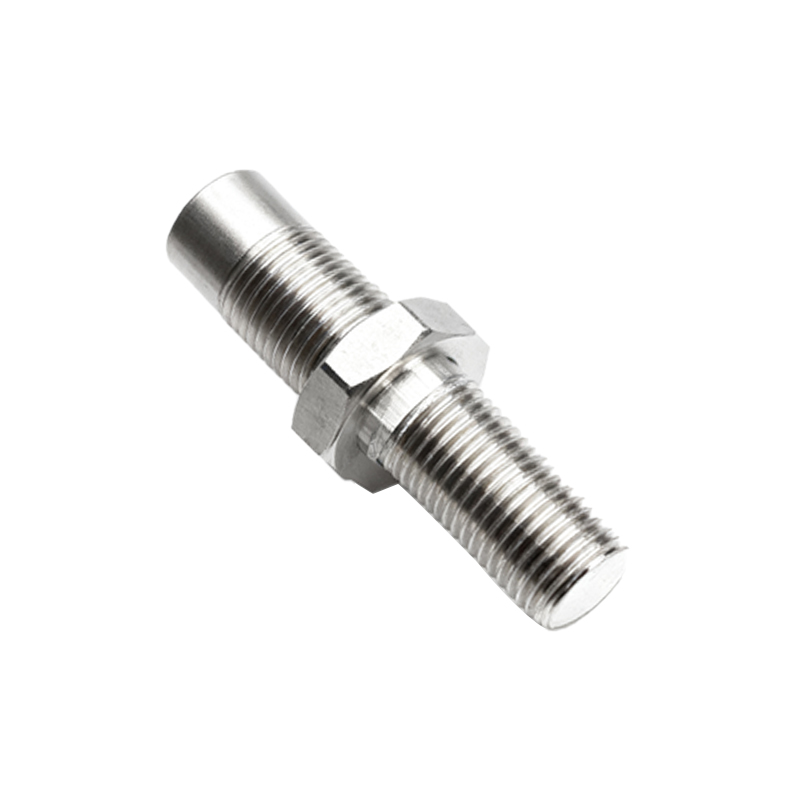
The integration of smart features has further elevated the capabilities of ultra-miniature proximity sensors. Modern variants come equipped with IO-Link communication, enabling real-time data exchange with control systems. This connectivity allows for remote configuration, diagnostics, and predictive maintenance, aligning with Industry 4.0 initiatives. For example, sensors can transmit parameters like temperature, signal strength, and operating hours, facilitating proactive interventions before failures occur. Additionally, some sensors incorporate teach-in functions, allowing users to adjust sensing ranges and thresholds on-the-fly, thereby enhancing flexibility across diverse production lines.
Despite their small size, these sensors do not compromise on performance. Typical sensing distances range from 0.5 mm to 5 mm, with high-resolution models achieving sub-millimeter accuracy. Low power consumption is another key benefit, making them ideal for battery-operated devices and energy-efficient systems. Engineers must carefully consider factors like electrical output (PNP/NPN, NO/NC), supply voltage, and temperature ranges when selecting a sensor to ensure compatibility with existing circuitry and operational environments.
Looking ahead, the trend toward miniaturization is expected to accelerate, driven by advancements in microelectronics and material science. Future ultra-miniature proximity sensors may incorporate nanotechnology or graphene-based elements to achieve even smaller footprints and higher sensitivities. As industries continue to embrace automation and IoT, these sensors will play a pivotal role in enabling smarter, more responsive manufacturing ecosystems.
In conclusion, ultra-miniature proximity switch sensors represent a cornerstone of modern industrial automation. Their compact design, robust performance, and intelligent features empower engineers to overcome spatial limitations while enhancing precision and reliability. By understanding their operating principles and applications, professionals can leverage these sensors to optimize processes, reduce costs, and drive innovation across sectors. As technology progresses, these tiny yet powerful devices will undoubtedly continue to shape the future of automation.