In the rapidly evolving landscape of industrial automation and smart manufacturing, green proximity sensors have emerged as pivotal components, championing energy efficiency, reduced environmental impact, and enhanced operational reliability. These sensors, designed to detect the presence or absence of objects without physical contact, leverage eco-friendly materials, low-power consumption technologies, and longer lifecycles. However, the true value of a green proximity sensor extends far beyond its initial purchase and installation—it is profoundly embedded in the quality and scope of its after-sales service. This article delves into the critical aspects of after-sales support for green proximity sensors, highlighting best practices, common challenges, and strategic approaches to maximize sustainability and performance throughout the product's lifecycle.
The after-sales service for green proximity sensors encompasses a comprehensive suite of support mechanisms aimed at ensuring continuous, optimal functionality. Key components include technical assistance, maintenance protocols, calibration services, spare parts availability, and end-of-life management. Unlike conventional sensors, green models often incorporate specialized materials and circuitry that demand tailored servicing expertise. For instance, sensors using halogen-free cables or biodegradable housings require specific handling during repairs or replacements to maintain their environmental credentials. Manufacturers and service providers must offer detailed documentation, such as eco-compliance certificates and disassembly guides, to facilitate proper maintenance without compromising green standards.
One of the primary pillars of effective after-sales service is proactive technical support. Given the integration of these sensors into complex automated systems—from automotive assembly lines to renewable energy plants—any downtime can lead to significant productivity losses and increased carbon footprints. Service teams should provide 24/7 remote diagnostics and on-site troubleshooting to swiftly address issues like false triggering, range reduction, or connectivity problems. Training programs for end-users and technicians are equally vital, covering topics such as energy-saving configurations, sensor calibration for varying environmental conditions, and waste minimization during upkeep. By empowering clients with knowledge, service providers reduce dependency on frequent interventions, aligning with the sustainability ethos of green technology.
Maintenance and calibration form another cornerstone of after-sales care. Green proximity sensors, while durable, may experience performance drift due to factors like temperature fluctuations, contamination, or component aging. Regular calibration ensures accuracy in detection, preventing inefficiencies that could escalate energy use or material waste in production processes. Service agreements should include scheduled maintenance visits, using calibrated equipment that itself adheres to green standards—for example, employing digital tools over paper-based logs to cut resource consumption. Additionally, predictive maintenance, enabled by IoT connectivity in advanced sensors, allows for real-time monitoring of sensor health, enabling preemptive actions that extend product life and reduce unexpected failures.
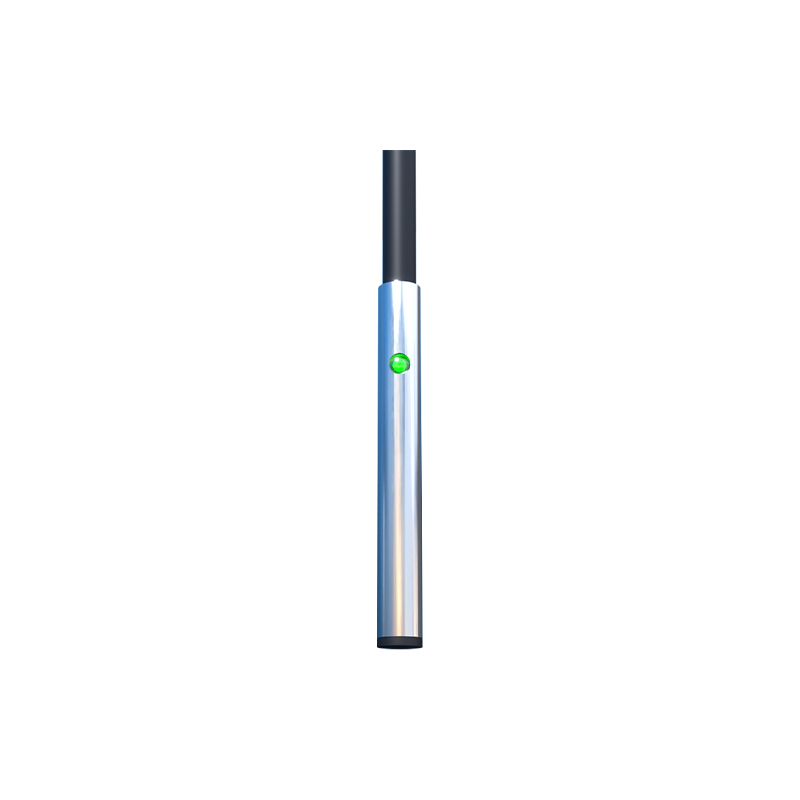
The availability of genuine spare parts is crucial for sustaining the green integrity of these sensors. Counterfeit or non-compliant components can undermine environmental benefits, potentially introducing hazardous substances or increasing power draw. Reputable suppliers maintain transparent supply chains for spare parts, ensuring they match the original sensor's eco-design. Furthermore, end-of-life services, such as take-back programs and recycling initiatives, complete the green cycle. Manufacturers can offer discounts on new purchases when old sensors are returned, promoting circular economy principles. Proper disposal or refurbishment prevents e-waste and recovers valuable materials like rare-earth elements used in sensing elements.
Despite these advantages, the after-sales sector for green proximity sensors faces challenges, including higher initial service costs due to specialized expertise and the need for global standardization in eco-certifications. However, investing in robust after-sales support yields long-term dividends: reduced total cost of ownership, enhanced brand loyalty, and compliance with stringent environmental regulations like RoHS and REACH. Companies that prioritize comprehensive after-sales service not only bolster their market reputation but also contribute to broader sustainability goals, making green proximity sensors a reliable choice for industries committed to a greener future.
In conclusion, the after-sales service for green proximity sensors is an indispensable element that bridges innovation with enduring performance. By focusing on technical excellence, sustainable maintenance practices, and lifecycle management, stakeholders can ensure these sensors deliver on their promise of efficiency and environmental stewardship. As industries worldwide accelerate their green transitions, the demand for such integrated support will only grow, shaping a more resilient and eco-conscious industrial ecosystem.