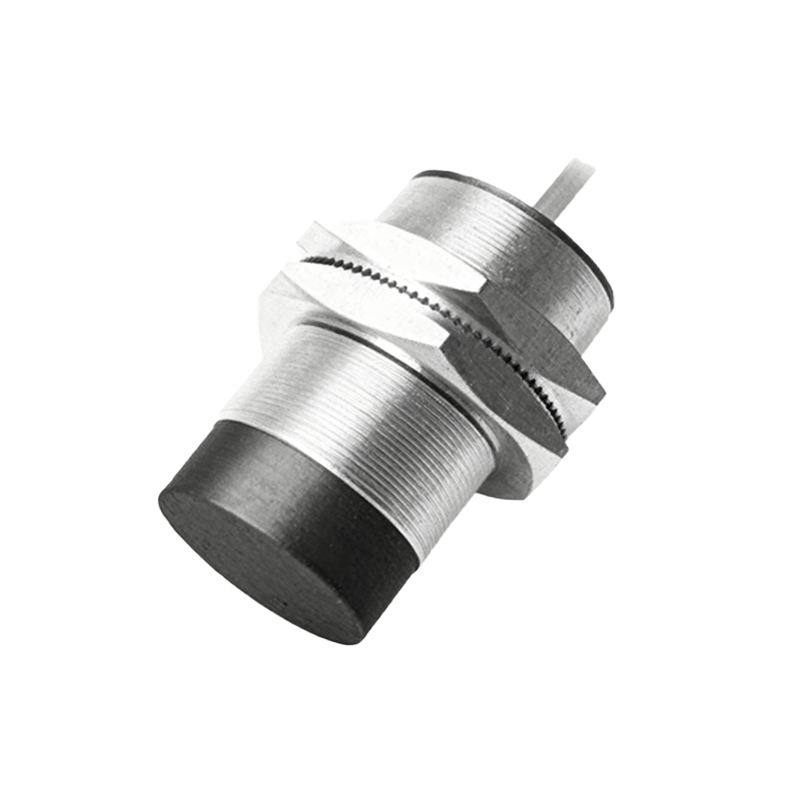
In the world of automation, robotics, and smart devices, proximity sensors are the silent sentinels, detecting the presence or absence of objects without physical contact. Their operation hinges on various sensing principles, each tailored to specific applications, environments, and materials. Understanding these different sensing types is crucial for selecting the right sensor for the job, ensuring reliability, efficiency, and cost-effectiveness.
One of the most common and versatile types is the inductive proximity sensor. These sensors generate an electromagnetic field. When a metallic object enters this field, it induces eddy currents within the object, causing a change in the sensor's oscillation amplitude. This change is detected, triggering an output signal. Inductive sensors are exceptionally robust, immune to dust, dirt, and moisture, making them ideal for harsh industrial environments like machine tools, assembly lines, and automotive manufacturing. However, their key limitation is that they only detect metals, typically ferrous metals like steel and iron with the longest sensing ranges, and non-ferrous metals like aluminum or copper with shorter ranges.
For applications requiring detection of non-metallic objects, capacitive proximity sensors are the go-to choice. They function similarly to inductive sensors but utilize an electrostatic field instead of an electromagnetic one. Any object with a dielectric constant different from air (which includes almost all materials—plastics, wood, liquids, glass, and metals) can disrupt this field, altering the sensor's capacitance and triggering detection. This makes capacitive sensors incredibly versatile for level detection in tanks (liquids or granules), material handling, and detecting through non-metallic walls. They are sensitive to environmental factors like humidity and temperature, which can sometimes lead to false triggers if not properly calibrated.
Magnetic proximity sensors, often referred to as reed switches or Hall-effect sensors, detect the presence of a permanent magnet. Reed switches consist of two ferromagnetic reeds sealed in a glass tube. When a magnet approaches, the reeds attract and close the circuit. Hall-effect sensors produce a voltage change when exposed to a magnetic field. These sensors are renowned for their simplicity, low power consumption, and ability to operate in dirty or wet conditions where optical sensors might fail. They are extensively used in safety applications (door and window sensors), position sensing in cylinders, and low-speed rotation detection.
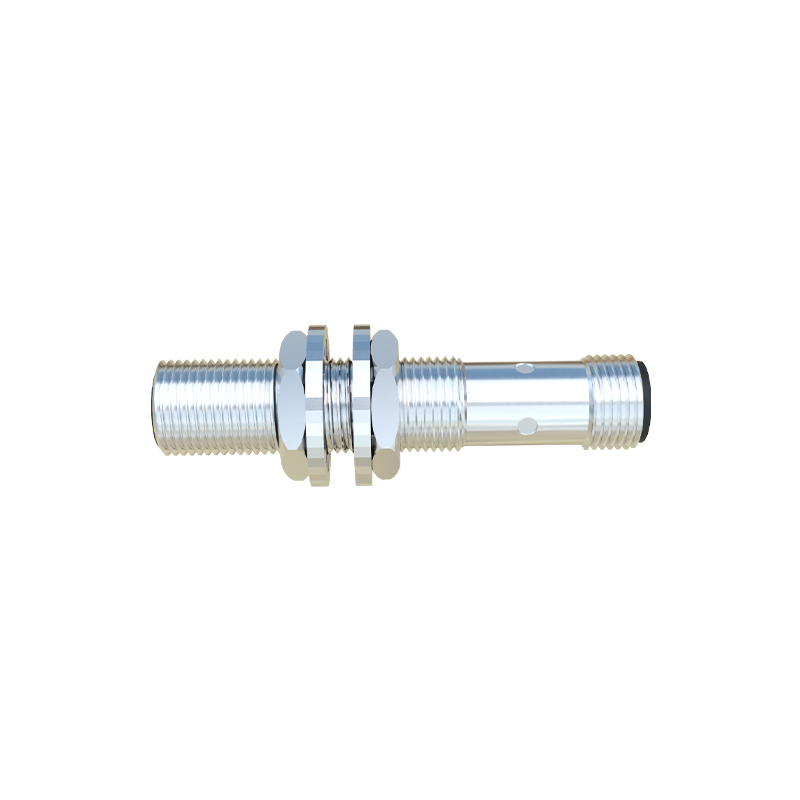
Photoelectric sensors, or photo-eyes, use light to detect objects. They consist of an emitter (usually an LED producing visible red, infrared, or laser light) and a receiver. They come in three primary modes. Through-beam sensors have separate emitter and receiver units; an object is detected when it breaks the light beam, offering the longest range and highest reliability. Retro-reflective sensors use a single unit and a reflector; detection occurs when the object interrupts the reflected beam. Diffuse (proximity-mode) sensors have the emitter and receiver in one housing and detect light reflected directly off the object's surface, making them compact but with a shorter range. Photoelectric sensors can detect virtually any material and are perfect for packaging, material handling, and object counting, though they can be affected by ambient light, color, and surface reflectivity.
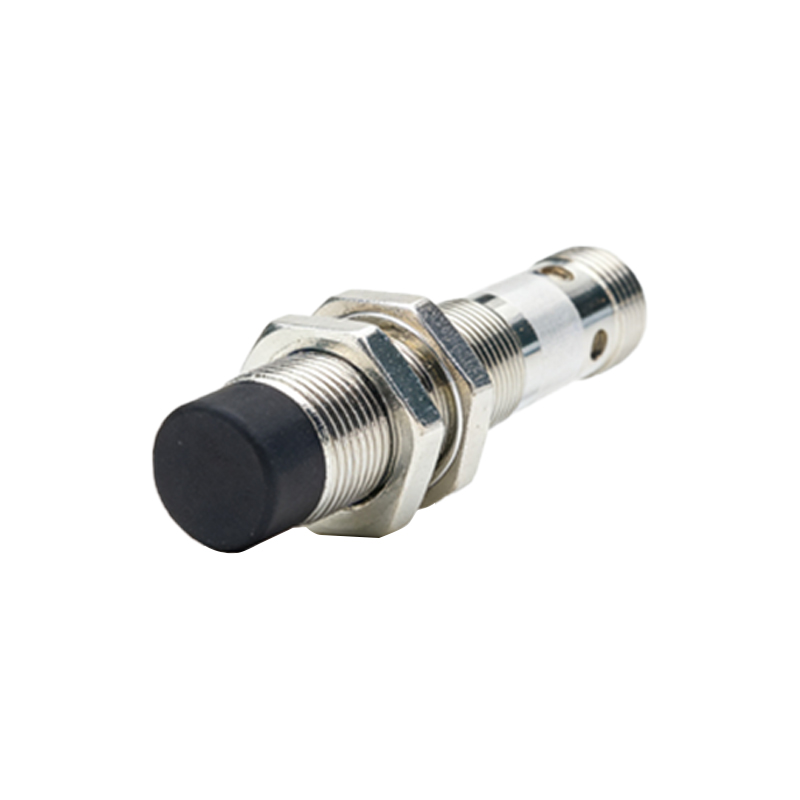
Ultrasonic proximity sensors operate by emitting high-frequency sound waves and measuring the time it takes for the echo to return. The distance to the object is calculated based on the speed of sound. These sensors excel at detecting objects regardless of color, transparency, or material, and are superb for measuring distance, level sensing of liquids and bulk solids, and detecting clear objects like glass. Their performance can be influenced by temperature variations (which affect sound speed), air turbulence, and soft, sound-absorbing surfaces.
Each sensing technology presents a unique set of advantages and constraints. The choice depends on multiple factors: the target material (metal, plastic, liquid), the required sensing distance, the operating environment (presence of dust, oil, vibration), the needed response speed, and installation constraints. For instance, an inductive sensor is perfect for counting metal gears on a high-speed conveyor, while a capacitive sensor is better for monitoring the foam level in a beer vat. A magnetic sensor reliably confirms a cabinet door is closed, and an ultrasonic sensor accurately measures the height of boxes on a pallet.
In conclusion, the "proximity sensor" is not a single device but a family of technologies. From the metal-specific reliability of inductive sensors to the material-agnostic capabilities of ultrasonic and photoelectric types, each sensing principle unlocks different possibilities in automation and control. A deep understanding of these core technologies empowers engineers and designers to build smarter, more responsive, and more efficient systems across every industry.