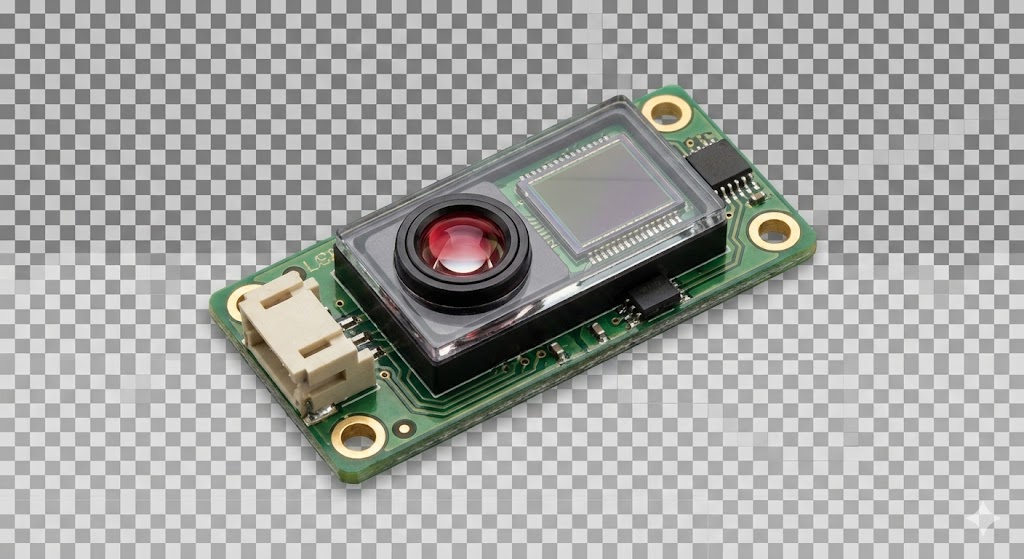
In today's rapidly advancing industrial landscape, laser sensor suppliers play a pivotal role in enabling high-precision automation, quality control, and smart manufacturing. These specialized companies provide the critical hardware and integration expertise that allow systems to perform non-contact measurement, detection, positioning, and profiling with micron-level accuracy. The core technology revolves around emitting a focused beam of light and analyzing the reflected signal to determine distance, presence, or surface characteristics. This capability is indispensable across sectors like automotive assembly, electronics manufacturing, logistics, and robotics.
The market for laser sensors is served by a diverse range of suppliers, from global electronics conglomerates to niche engineering firms. Major industrial automation players, such as Keyence, Omron, SICK, and Banner Engineering, have established extensive portfolios. These industry leaders offer robust, factory-hardened sensors for challenging environments, along with comprehensive software suites for configuration and data analysis. Their products often include varieties like time-of-flight sensors, triangulation sensors for displacement, and laser profile scanners for 3D contour mapping. A key differentiator among top suppliers is not just the sensor hardware but the depth of application support and the ability to provide complete solutions tailored to specific industry pain points.

Beyond the large corporations, a segment of specialized suppliers focuses on cutting-edge or custom applications. These companies might develop sensors with exceptional resolution for semiconductor inspection, ultra-long-range models for aerial surveying, or compact designs for integrated mobile robotics. They often work closely with clients through the prototyping and integration phases. The choice between a standard off-the-shelf sensor and a custom-developed solution is a critical consideration for engineers, impacting project timelines, costs, and long-term maintenance.
When selecting a laser sensor supplier, several technical and commercial factors must be evaluated. Performance parameters like measurement range, repeatability, spot size, and response time are fundamental. Equally important are the environmental ratings for dust, water, and vibration resistance, especially in harsh industrial settings. The communication interface—whether analog voltage, current loop, or digital protocols like IO-Link, Ethernet/IP, or PROFINET—determines how seamlessly the sensor integrates into the existing control architecture. Suppliers with strong digital ecosystems provide tools for remote monitoring, predictive maintenance, and easy calibration, adding significant value beyond the physical unit.
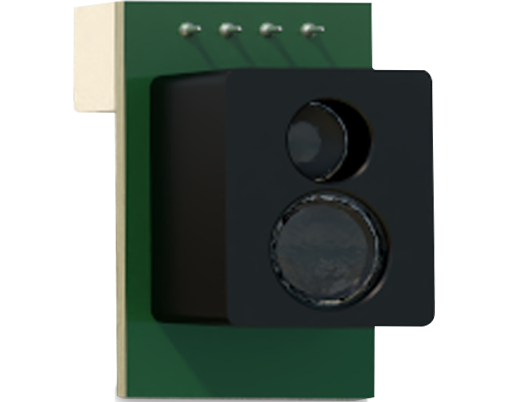
The evolution of Industry 4.0 and the Industrial Internet of Things (IIoT) is significantly shaping what suppliers offer. Modern laser sensors are increasingly intelligent, featuring embedded processors that can perform edge computing, such as filtering out ambient light interference or making pass/fail decisions locally. This reduces the load on central PLCs and speeds up system response. Leading suppliers are now emphasizing connectivity, data transparency, and interoperability, allowing their sensors to be key data nodes in a smart factory network. The ability to stream high-density point cloud data for real-time process adjustment is becoming a standard requirement in advanced applications.
For procurement teams and system integrators, establishing a relationship with a reliable supplier involves assessing global support networks, lead times, and lifecycle management. A supplier with a strong distribution and technical support network can minimize downtime—a critical factor in continuous production environments. Furthermore, as sustainability becomes a corporate priority, suppliers are also evaluated on their energy-efficient designs and adherence to environmental regulations in manufacturing and packaging.
In conclusion, the ecosystem of laser sensor suppliers is a dynamic and technically driven field essential to modern automation. The right supplier partnership provides more than just a component; it delivers a combination of precision technology, application engineering, and digital services that enhance operational efficiency, product quality, and innovation capacity. As technologies like AI and machine vision converge with traditional sensing, the role of these specialized suppliers will only grow in strategic importance, making informed supplier selection a key competitive advantage for any technology-driven enterprise.