In the realm of industrial automation and electronic design, proximity sensors are fundamental components, enabling non-contact detection of objects. For engineers, technicians, and procurement specialists, access to high-quality, detailed visual references is not merely a convenience but a professional necessity. This guide delves into the critical importance of high-resolution, watermark-free images of proximity sensors, outlining their applications and providing insights into sourcing these essential technical resources.
High-resolution images serve as indispensable tools throughout the product lifecycle. During the design and prototyping phase, engineers require clear, detailed photos to understand form factors, mounting configurations, connector types, and LED indicator placements. A blurry or low-quality image can lead to misinterpretation of key dimensions or interface details, potentially resulting in design errors or integration challenges. For instance, discerning the exact thread type on a cylindrical inductive sensor or the pinout arrangement on a connectorized model from a compressed, pixelated image is nearly impossible. A crisp, high-definition image eliminates such ambiguity, allowing for accurate CAD modeling and system layout planning.
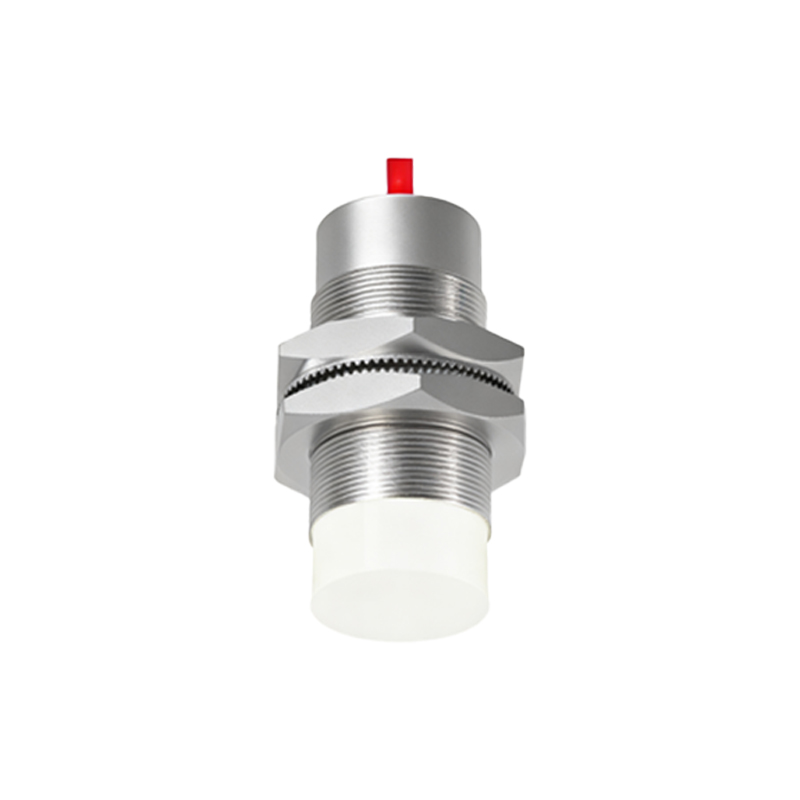
In procurement and specification processes, visual verification is paramount. A watermark-free, high-resolution image allows a buyer to confirm the exact model, branding, and often, subtle manufacturing revisions. Watermarks, often overlaid by stock photo websites or distributors, can obscure critical labeling, part numbers, or certification marks printed on the sensor housing. A clean image ensures that the component being ordered matches the visual specification without any doubt. This is especially crucial for sourcing replacements or compatible units in maintenance, repair, and operations (MRO) scenarios, where even minor physical differences can lead to installation failures.
Furthermore, for technical documentation, training materials, and marketing collateral, the quality of imagery reflects professional standards. Manuals and datasheets benefit immensely from clear cutaway diagrams or photos showing internal components, sensing face details, and wiring schematics. Training modules utilize these images to teach diagnostic procedures and installation techniques. Marketing teams rely on pristine product photography to showcase build quality and design features to a technical audience. In all these cases, watermarks are a significant detriment, detracting from the technical content and reducing the perceived credibility of the material.
So, where can professionals find these high-resolution, watermark-free images? The primary and most reliable source is the official website of the sensor manufacturer. Leading brands such as Sick, Omron, Pepperl+Fuchs, and Balluff typically provide comprehensive product galleries with zoomable, high-definition images available for download, often in their press or media sections. These images are officially sanctioned, accurate, and free of third-party markings. Manufacturer datasheets, while focused on technical specs, frequently contain high-DPI diagrams and product photos.
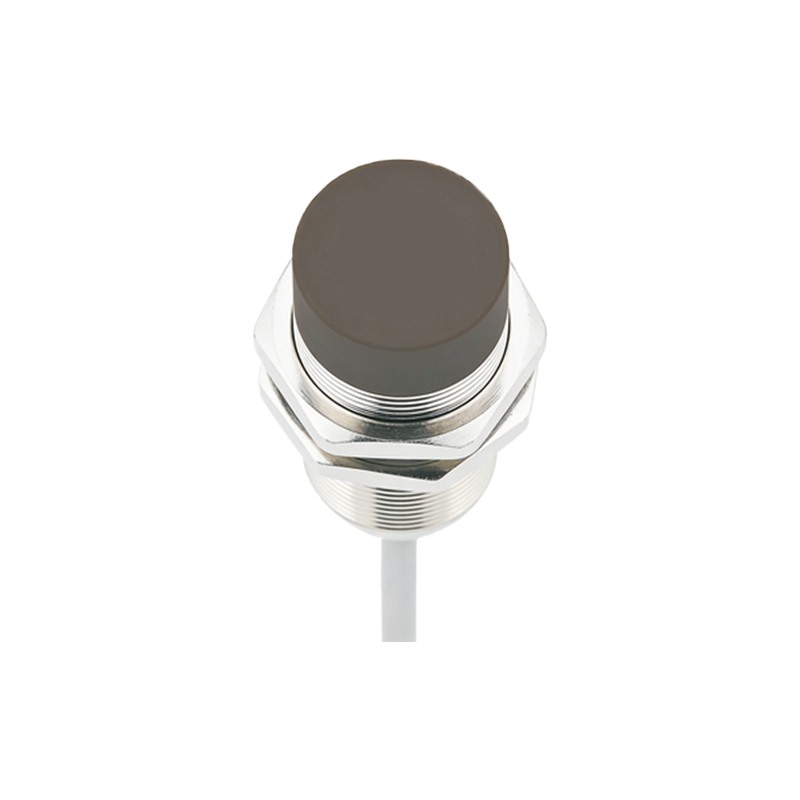
Specialized industrial component suppliers and distributors with robust e-commerce platforms are another valuable resource. Reputable distributors understand the needs of their technical clientele and often invest in professional product photography. It is advisable to check the image licensing or terms of use on such sites; many allow the use of images for specification purposes. Online industrial catalogs and component databases, which aggregate information from multiple manufacturers, also host extensive image libraries. While some may display watermarks on previews, high-quality versions are often available upon registration or through direct inquiry.
When sourcing images, always prioritize accuracy and legality. Ensure the image correctly represents the specific sensor model and series. Respect copyright and usage rights; using a manufacturer's official image for a technical specification sheet is generally acceptable, whereas using it in a commercial product for a competitor might require permission. For creating completely custom visuals, consider commissioning technical photography or creating detailed 3D renderings based on official dimensional drawings.
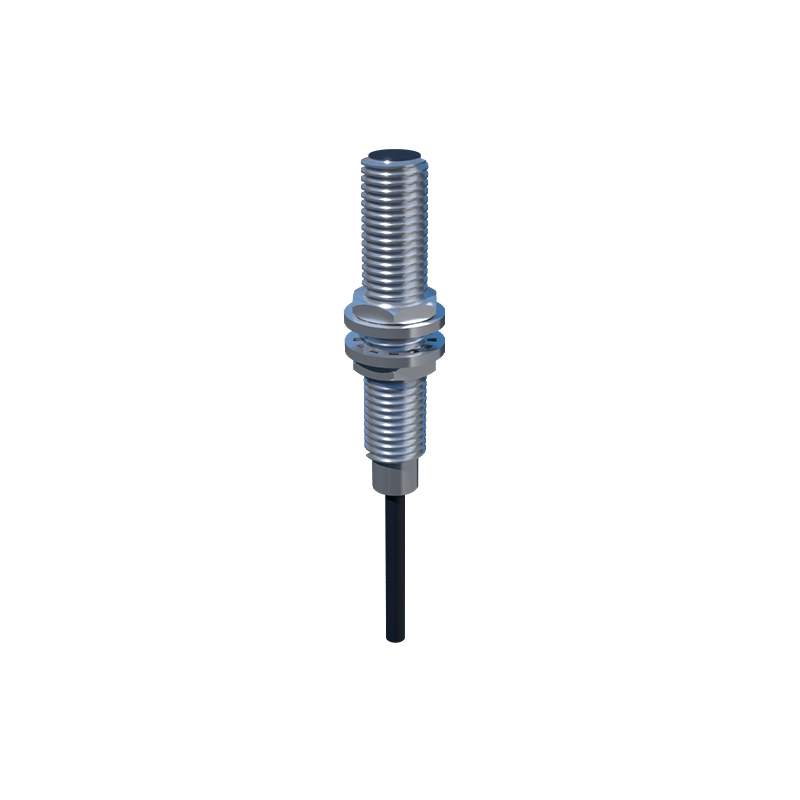
In conclusion, high-resolution, watermark-free images of proximity sensors are far more than simple pictures. They are vital technical assets that enhance precision in design, ensure accuracy in procurement, and elevate quality in documentation. By leveraging official manufacturer resources and reputable technical portals, professionals in the electrical and automation industries can access the clear, unobstructed visual data required to drive efficiency, reduce errors, and maintain the highest standards in their projects. Investing time in sourcing the right imagery is an investment in project success and professional integrity.