In the rapidly evolving landscape of industrial automation and smart manufacturing, proximity sensors have become indispensable components. These non-contact devices, crucial for detecting the presence or absence of objects, are fundamental to countless applications, from assembly lines and robotics to automotive safety systems. For procurement specialists, design engineers, and business decision-makers, a deep understanding of the factors influencing proximity sensor production costs is essential for strategic sourcing, budgeting, and product development. This article delves into the key cost drivers, manufacturing processes, and market dynamics that determine the final price of these critical electronic components.
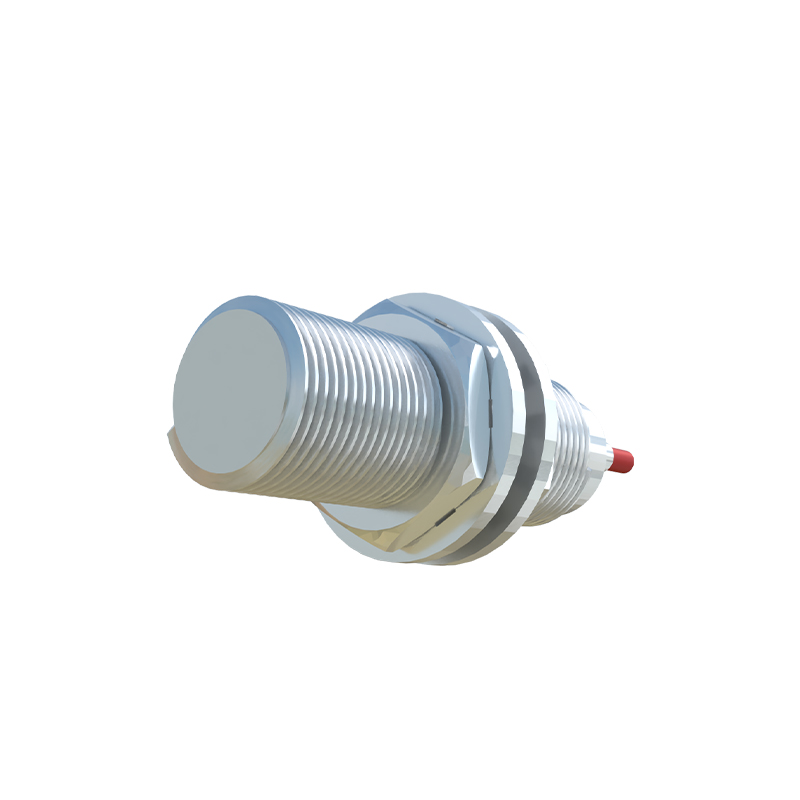
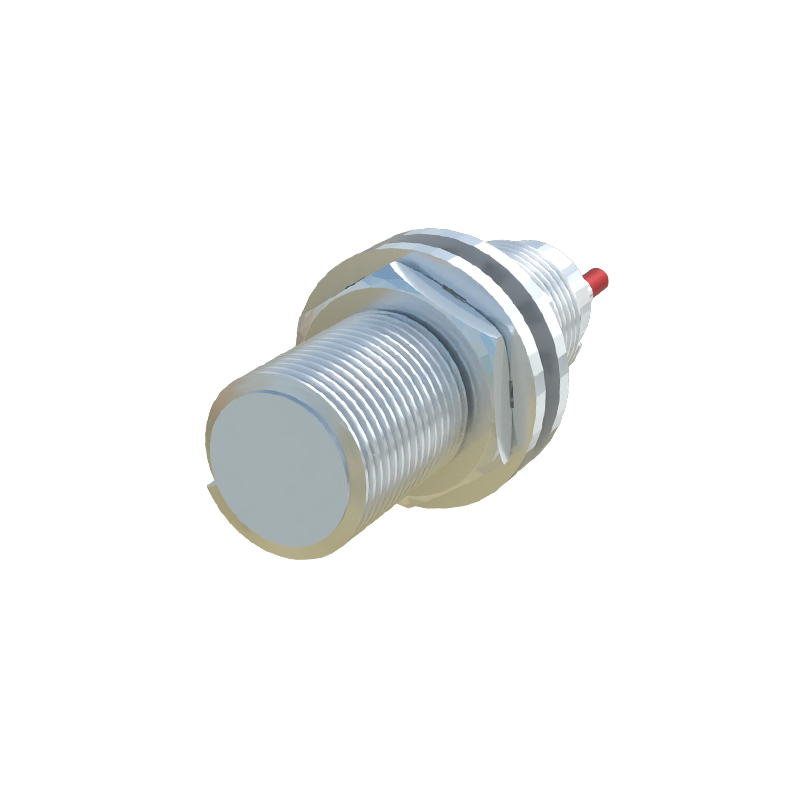
The production cost of a proximity sensor is not a single figure but an aggregate of numerous variables. At its core, the bill of materials (BOM) constitutes a significant portion. This includes the sensing element itself—whether it's based on inductive, capacitive, ultrasonic, or photoelectric technology. Inductive sensors, for instance, require a coiled ferrite core and an oscillator circuit, while photoelectric sensors need a precise LED or laser diode and a phototransistor or receiver. The choice of technology directly impacts material costs; advanced laser-based sensors inherently command higher material expenses than standard inductive models. Furthermore, the housing material—typically nickel-plated brass, stainless steel, or PBT plastic—adds to the cost, with industrial-grade, sealed housings for harsh environments (IP67/IP69K ratings) being more expensive.
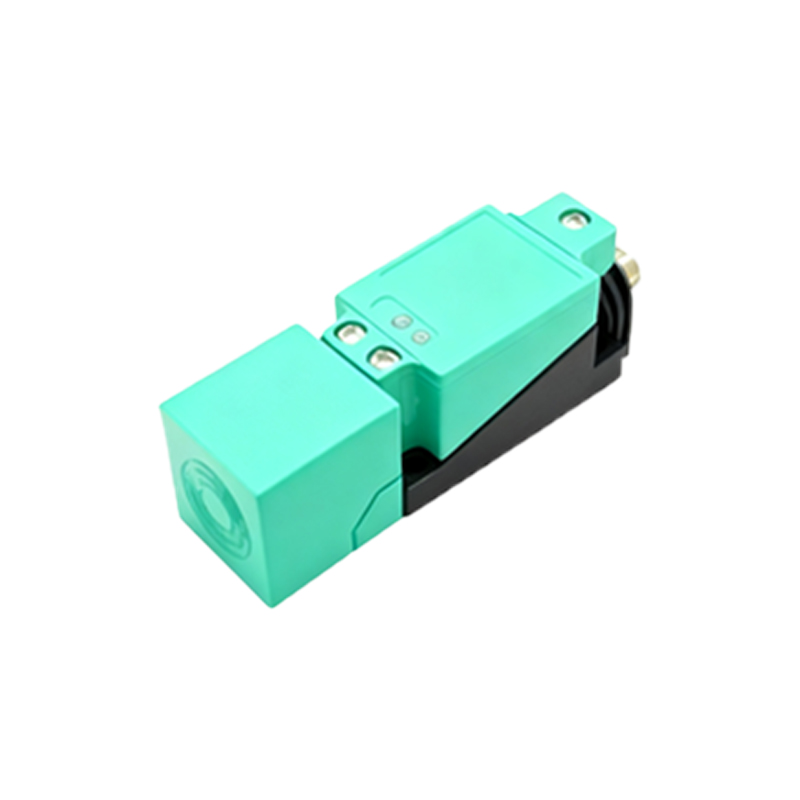
Beyond raw materials, the complexity of the integrated circuitry is a major cost driver. Modern sensors often incorporate microcontrollers for programmability, temperature compensation, and advanced diagnostics like IO-Link communication. The inclusion of such smart features increases the cost of the semiconductor components and the complexity of the printed circuit board (PCB) assembly. Manufacturing precision is another critical factor. The calibration process, where the sensor's sensing range and switching points are finely tuned, requires specialized, often automated, test equipment and skilled labor. High-precision calibration for sensors with very short or very long ranges adds to the production time and cost.
Labor costs and the geographic location of production facilities play a substantial role. Manufacturing in regions with higher labor and regulatory compliance costs will reflect in the sensor's price. However, this is often balanced by higher quality control standards and potentially lower logistics costs for certain markets. Economies of scale are perhaps the most straightforward economic principle at play. Large-volume orders for a standard sensor model allow manufacturers to optimize production lines, purchase materials in bulk at discounted rates, and spread fixed costs (like R&D and tooling) over more units, significantly reducing the per-unit cost. Conversely, custom-designed sensors with unique form factors, special connectors, or proprietary output configurations require separate tooling, validation, and smaller production runs, leading to a substantial price premium.
The supply chain for electronic components, including semiconductors, capacitors, and resistors, is notoriously volatile. Shortages or price fluctuations in these commodities can directly and swiftly impact sensor production costs. Manufacturers may absorb minor fluctuations, but sustained increases are inevitably passed down the supply chain. Finally, the value-added services bundled with the sensor affect its final price. This includes the length and terms of the warranty (e.g., a 5-year warranty vs. a standard 1-year), the extent of technical support provided, and certifications for specific industries (like ATEX for hazardous areas or FDA compliance for food and beverage). A sensor from a reputed brand with global support networks and a proven reliability record will command a higher price than a generic equivalent, justified by reduced risk of downtime and longer lifecycle costs.
In conclusion, the price tag on a proximity sensor is a synthesis of its technological sophistication, material quality, manufacturing rigor, and the intangible value of reliability and support. For industry professionals, the goal should not be to simply find the cheapest option but to perform a thorough total cost of ownership (TCO) analysis. A slightly higher upfront investment in a robust, feature-appropriate sensor from a reliable supplier often yields far greater savings in reduced maintenance, fewer production stoppages, and longer service intervals, ultimately ensuring smoother and more profitable operations.