In the rapidly evolving landscape of industrial automation and smart infrastructure across China, long-range proximity sensors have emerged as a cornerstone technology. These sensors, capable of detecting objects from distances significantly greater than traditional proximity devices, are revolutionizing sectors from manufacturing and logistics to transportation and energy. Typically utilizing ultrasonic, laser, or advanced radio frequency (RF) technologies, these sensors offer detection ranges from a few meters to over several tens of meters, with high accuracy and reliability even in challenging environmental conditions.
The adoption of long-range proximity sensors in China is driven by the national push for Industry 4.0 and the development of extensive smart city projects. In manufacturing, they enable precise monitoring of large-scale assembly lines and robotic systems, ensuring safety and efficiency by detecting the presence of personnel or equipment from afar. For instance, in automated warehouses, these sensors facilitate the seamless operation of autonomous guided vehicles (AGVs) by providing real-time data on obstacle positions, thereby preventing collisions and optimizing routing without direct physical contact.
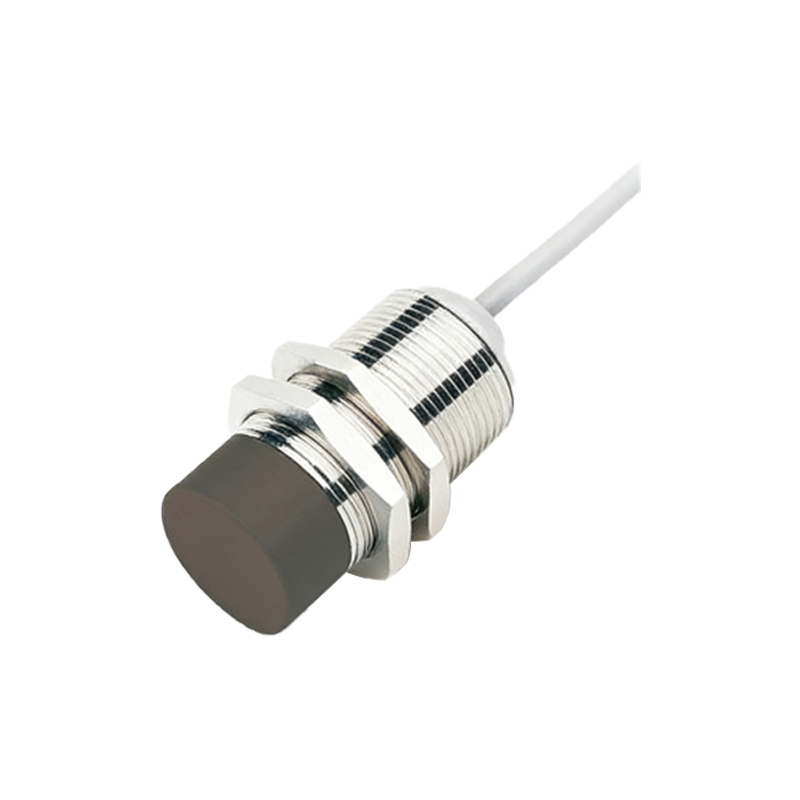
In the transportation sector, applications are equally profound. Long-range sensors are integral to intelligent traffic management systems, monitoring vehicle flow at intersections, toll gates, and highway entrances. They contribute to enhanced safety in railway systems by detecting obstructions on tracks from a distance, allowing for timely alerts and preventive actions. Furthermore, in the renewable energy domain, particularly in large-scale wind and solar farms, these sensors are used for condition monitoring—detecting blade positions in wind turbines or tracking solar panel alignment—thus maximizing energy output and reducing maintenance downtime.
Technological advancements are a key focus. Chinese manufacturers and research institutions are investing heavily in improving sensor capabilities, such as increasing detection range, enhancing resistance to interference (e.g., from dust, moisture, or electromagnetic noise), and integrating Internet of Things (IoT) connectivity. The development of LiDAR-based and millimeter-wave radar sensors, for example, has enabled more precise long-range detection, supporting applications in autonomous vehicles and precision agriculture. Additionally, the integration of artificial intelligence (AI) allows for smarter data processing, enabling sensors to not only detect presence but also classify objects or predict movements based on historical patterns.
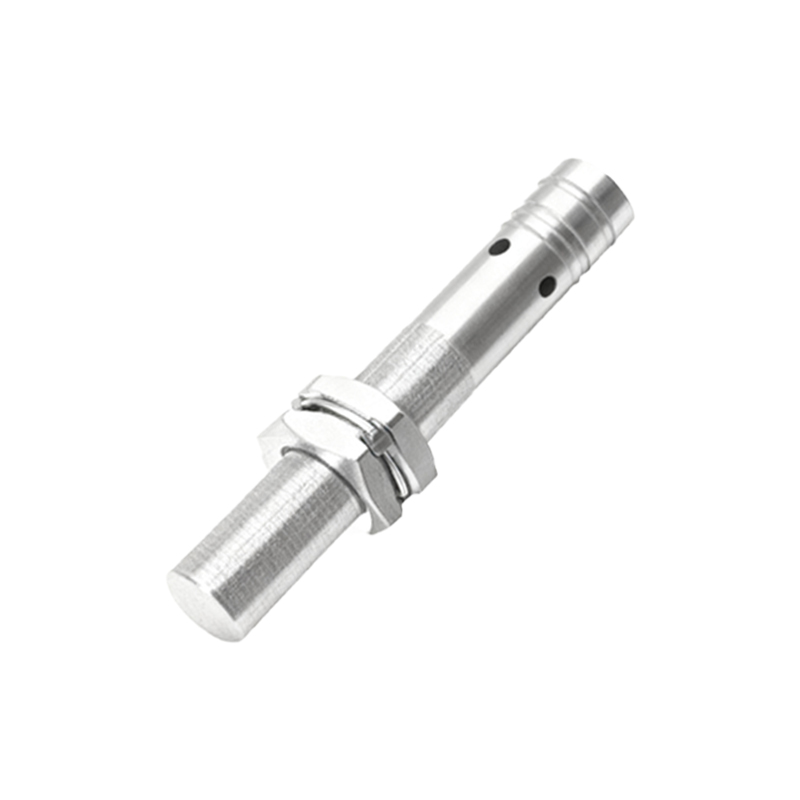
Despite the progress, challenges remain. Cost considerations can be a barrier for small and medium-sized enterprises, while the need for standardized protocols and interoperability in diverse industrial ecosystems poses technical hurdles. However, with government support through initiatives like "Made in China 2025" and growing demand from sectors such as e-commerce logistics and smart infrastructure, the market for long-range proximity sensors is poised for sustained growth. Industry experts predict a continued trend toward miniaturization, lower power consumption, and enhanced wireless capabilities, making these sensors more accessible and versatile.
In conclusion, long-range proximity sensors are playing a pivotal role in China's industrial modernization. By enabling non-contact detection over extended distances, they enhance operational safety, efficiency, and automation across multiple domains. As technology evolves, these sensors will likely become even more embedded in the fabric of China's smart industries, driving innovation and supporting the nation's ambitions for a connected, automated future. For engineers and industry stakeholders, staying abreast of these developments is essential to leveraging the full potential of this transformative technology.