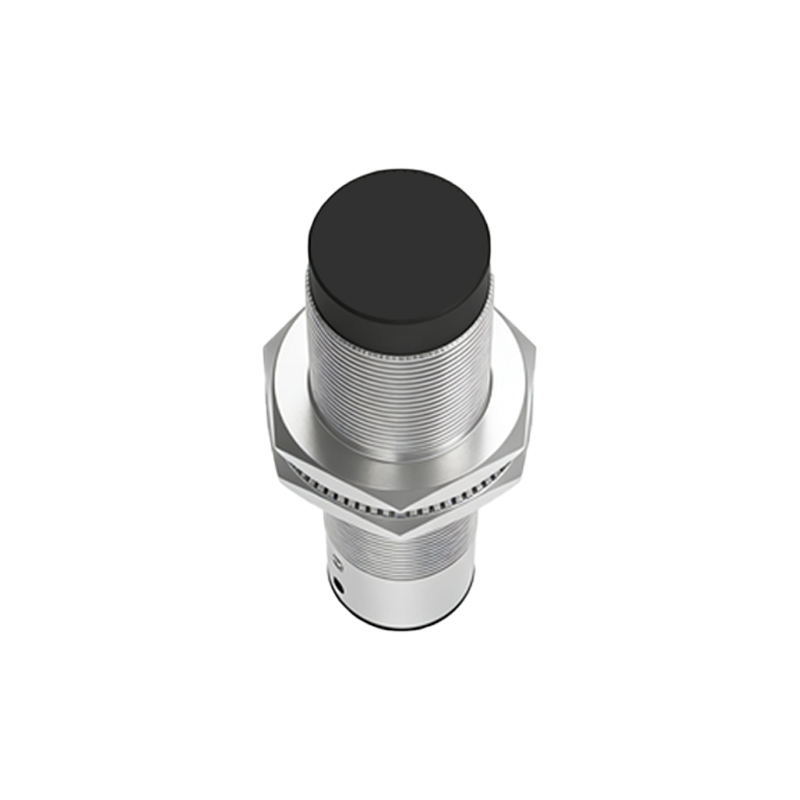
In the rapidly evolving landscape of new energy technologies—spanning electric vehicles (EVs), renewable energy systems like wind and solar farms, and advanced energy storage solutions—the role of proximity sensors has become increasingly critical. These sensors, which detect the presence or absence of objects without physical contact, are integral to safety, efficiency, and automation. However, a common question arises among engineers and project managers: Are proximity sensors for new energy applications expensive? To address this, we must delve into the factors influencing their cost, compare them with traditional alternatives, and evaluate their long-term value.
Firstly, the initial purchase price of proximity sensors used in new energy sectors can indeed be higher than those for conventional industrial applications. This premium stems from several key requirements. New energy environments often demand sensors with enhanced durability to withstand harsh conditions, such as extreme temperatures, moisture, vibration, and electromagnetic interference (EMI). For instance, in EV battery management systems, sensors must operate reliably in high-voltage settings and contribute to thermal monitoring to prevent overheating. Similarly, in wind turbines, sensors installed in nacelles or blades face constant motion and weather exposure, necessitating robust designs with IP67 or higher ingress protection ratings. These specialized features, including materials like stainless steel or advanced polymers, and certifications for safety standards (e.g., ISO 13849 for functional safety), add to manufacturing costs. Additionally, the integration of smart capabilities—such as IoT connectivity for predictive maintenance or self-diagnostic functions—further elevates the price point compared to basic inductive or capacitive sensors.
Despite the upfront expense, it is crucial to consider the total cost of ownership (TCO) over the sensor's lifecycle. In new energy applications, proximity sensors often lead to significant savings by improving system reliability and reducing downtime. For example, in solar power plants, sensors that monitor panel positioning or detect obstructions can optimize energy capture and prevent damage, thereby enhancing overall efficiency. In EV charging stations, sensors ensure safe alignment and communication between vehicles and chargers, minimizing wear and tear and avoiding costly repairs. Moreover, the precision of modern proximity sensors—such as laser or ultrasonic types—allows for finer control in automated processes, like battery assembly lines, which can boost production rates and lower labor costs. When factoring in reduced maintenance intervals and longer service life due to high-quality components, the investment in premium sensors often proves economical in the long run.
Another aspect to examine is the market dynamics and technological advancements affecting costs. As the new energy sector expands globally, economies of scale are beginning to drive down prices for specialized sensors. Increased competition among manufacturers, coupled with innovations in miniaturization and material science, is making high-performance sensors more accessible. For instance, the development of MEMS (Micro-Electro-Mechanical Systems)-based proximity sensors offers compact, low-power options at lower costs, suitable for applications like wearable energy devices or smart grids. However, it's important to note that cutting-edge technologies, such as sensors with AI-driven analytics for real-time monitoring, may still command a premium due to their R&D intensity. Engineers should assess whether such advanced features are necessary for their specific use case or if standard models suffice, balancing performance with budget constraints.
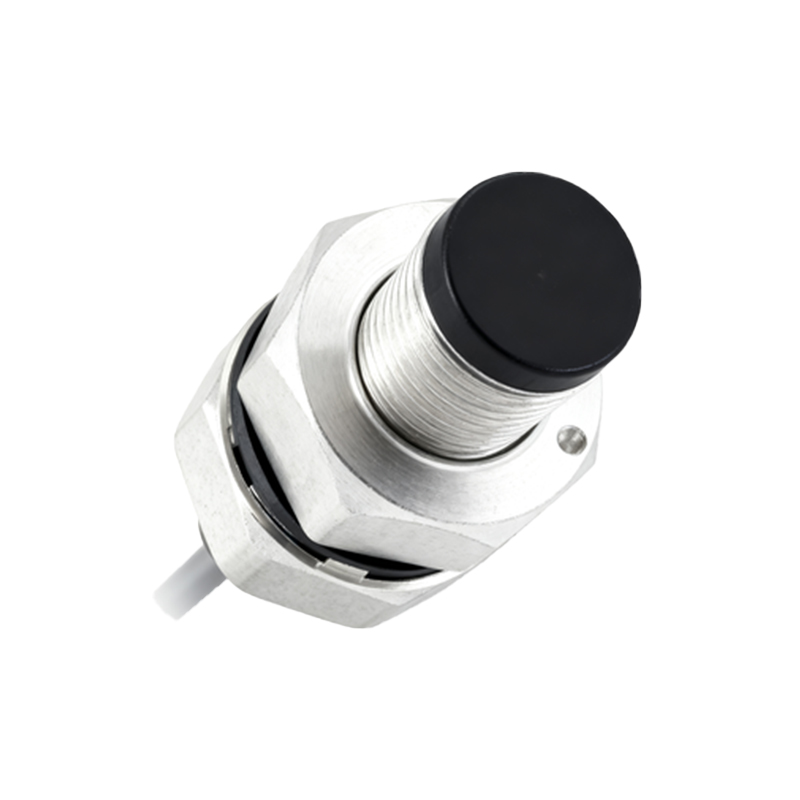
In comparison to traditional mechanical switches or older sensor types, proximity sensors for new energy applications provide distinct advantages that justify their cost. They offer non-contact operation, which reduces mechanical wear and extends lifespan, leading to lower replacement frequencies. Their fast response times and high accuracy contribute to improved safety protocols—critical in high-risk environments like hydrogen fuel cell systems or grid-scale battery storage. Furthermore, regulatory pressures and sustainability goals in the new energy industry often mandate the use of reliable, efficient components, making these sensors a compliance necessity rather than an optional expense. By investing in quality sensors, companies can avoid penalties, enhance brand reputation, and support greener operations.
To conclude, while proximity sensors tailored for new energy applications may have a higher initial cost compared to conventional options, their value extends far beyond the price tag. Factors such as durability, smart features, and compliance with industry standards contribute to this expense, but the long-term benefits—including reduced downtime, improved efficiency, and enhanced safety—often outweigh the upfront investment. As technology progresses and market adoption grows, costs are likely to decrease, making these sensors more affordable. For engineers and decision-makers, the key is to conduct a thorough cost-benefit analysis, considering specific application needs and lifecycle savings. In the dynamic field of new energy, proximity sensors are not merely an expense but a strategic investment in innovation and reliability.