In industrial automation and machinery safety systems, proximity sensors play a critical role in non-contact detection, object positioning, and process control. Evaluating these sensors requires a standardized set of performance metrics to ensure reliability, accuracy, and compatibility across diverse applications. This article outlines key evaluation criteria and standard reference values that engineers and procurement specialists should consider when selecting or validating proximity sensors.
1. Sensing Distance
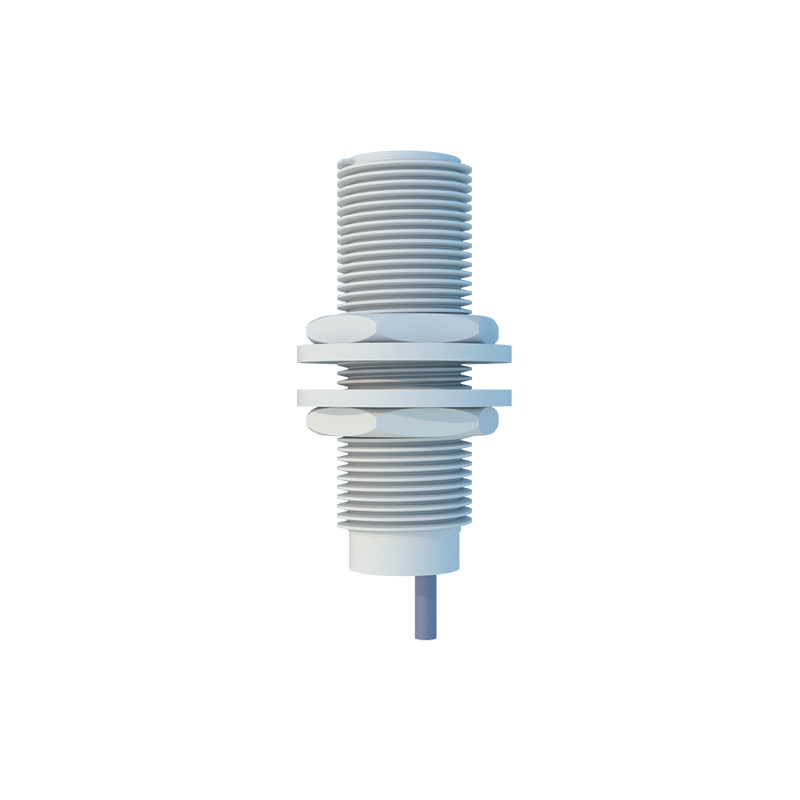
The rated sensing distance (Sn) is a fundamental parameter, typically defined under ideal conditions with a standard target. For inductive sensors detecting mild steel, common standardized sensing distances range from 1mm to 60mm, depending on the sensor size and technology. Capacitive sensors may offer similar ranges but are adjusted for material dielectric constants. A critical evaluation metric is the "assured operating distance" (Sa), usually 0 to 81% of Sn, which guarantees reliable detection despite voltage fluctuations, temperature changes, or manufacturing tolerances.
2. Repeatability
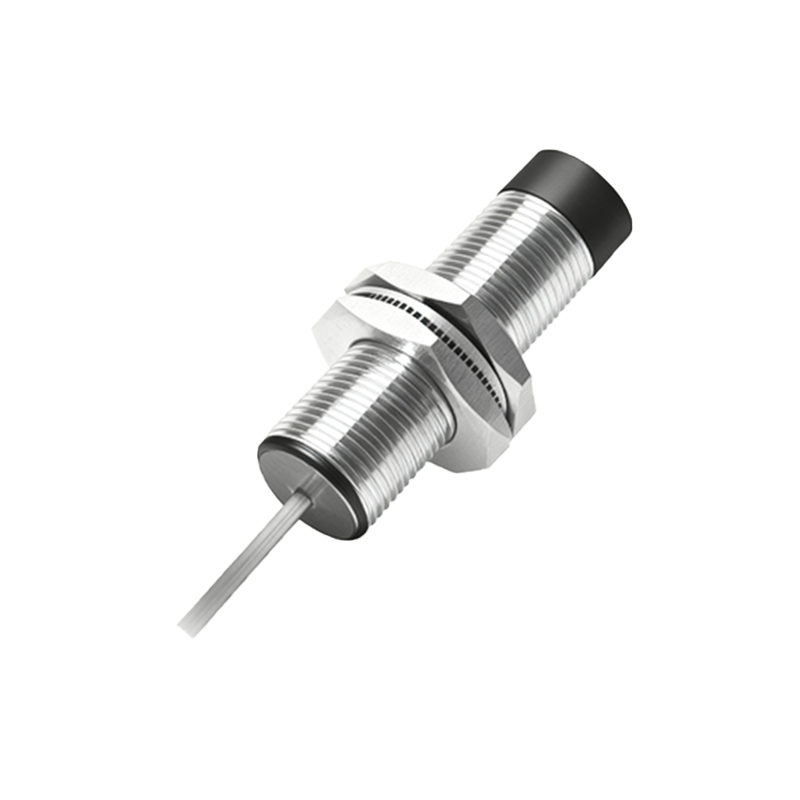
Repeatability refers to the sensor’s ability to consistently detect an object at the same position under unchanged conditions. Expressed as a percentage of Sn, high-quality industrial proximity sensors typically achieve repeatability within ±1% to ±3% of Sn. For precision applications such as robotic positioning, repeatability below ±0.5% may be required.
3. Hysteresis
Hysteresis is the difference between the switch-on point (as the target approaches) and the switch-off point (as the target recedes). It prevents output oscillation when a target is near the sensing limit. Standard hysteresis values are typically 3% to 15% of Sn. A well-designed sensor provides sufficient hysteresis to ensure stable switching without excessively reducing the effective sensing window.
4. Response Time
Response time includes both the sensor’s reaction to a target entering the sensing field and its recovery time after the target exits. Standard switching frequencies for DC sensors range from 0.5 Hz to 5 kHz, with high-speed models exceeding 10 kHz. For AC sensors, response is often slower due to inherent oscillation damping. Engineers must match response time to application speed; for instance, high-speed conveyor systems may require sensors with response times below 1 ms.
5. Environmental Robustness
Industrial environments subject sensors to temperature extremes, humidity, vibration, and electromagnetic interference. Standard operating temperature ranges are typically -25°C to +70°C for general-purpose models, with extended ranges from -40°C to +85°C available. Ingress Protection (IP) ratings such as IP67 (dust-tight and immersion resistant up to 1m) or IP69K (high-pressure washdown resistance) are common benchmarks. Additionally, resistance to chemicals, oils, and mechanical shock should be verified against industry standards like IEC 60947-5-2.
6. Electrical Characteristics
Output configurations (PNP/NPN, NO/NC), supply voltage ranges (commonly 10-30V DC or 20-250V AC), and current ratings must align with control system requirements. Standard leakage current in the "off" state should be below 0.8 mA for DC sensors to avoid false triggering. Load current capacity typically ranges from 100 mA to 500 mA for discrete outputs. For analog output sensors (4-20 mA or 0-10V), linearity error and resolution are key metrics, with high-grade sensors offering nonlinearity below ±1% of full scale.
7. Target Material and Size Effects
Inductive sensors are calibrated for ferrous metals; correction factors apply for non-ferrous metals (e.g., aluminum may reduce Sn by 40-60%). Capacitive sensors are influenced by material density and moisture content. Standard test targets are usually square mild steel plates with sides equal to the sensor’s diameter or 1.5 times Sn, whichever is larger. For precise evaluation, target thickness should exceed the sensor’s penetration depth—typically 1mm for inductive types.
8. Long-term Stability and Lifetime
Mechanical and electrical longevity is assessed through cyclic endurance tests. Quality proximity sensors are designed for tens of millions of switching cycles. Drift in sensing distance over time should be minimal, often specified as less than ±5% over the product’s operational lifespan.
Conclusion
Selecting a proximity sensor based on standardized performance metrics ensures optimal system integration and reliability. Engineers should cross-reference manufacturer datasheets against industry norms, such as those outlined in IEC 60947-5-2, and validate sensors under real-world operating conditions. By prioritizing quantified parameters—sensing distance, repeatability, hysteresis, response time, environmental ratings, and electrical specs—professionals can make informed decisions that enhance automation efficiency and safety.