In the realm of industrial automation and advanced machinery, proximity braking sensors stand as critical components that ensure safety, precision, and efficiency. These sensors, often unnoticed, act as the first line of defense in preventing collisions, managing motion control, and safeguarding both equipment and personnel. Their fundamental principle revolves around detecting the presence or absence of an object within a specified range without physical contact, triggering an immediate braking response in automated systems.
The core technology behind proximity braking sensors typically involves electromagnetic, capacitive, or ultrasonic mechanisms. Inductive sensors, for instance, are widely used in metal detection applications. They generate an electromagnetic field and monitor disturbances caused by metallic objects. When a target enters this field, the sensor detects the change and sends a signal to the braking system, halting the machine's movement almost instantaneously. Capacitive sensors, on the other hand, can detect both metallic and non-metallic materials by measuring changes in capacitance, making them versatile for various industrial environments. Ultrasonic sensors utilize sound waves to gauge distance, offering reliable performance in challenging conditions like dust, smoke, or variable lighting.
One of the key advantages of proximity braking sensors is their non-contact operation. Unlike mechanical limit switches that wear out over time due to physical interaction, these sensors maintain longevity and reduce maintenance costs. They are integral to applications such as robotic arms, conveyor systems, automotive assembly lines, and elevator controls. In automotive manufacturing, for example, sensors ensure that robotic welders stop precisely before contacting vehicle frames, preventing damage and enhancing product quality. In warehouse automation, they enable AGVs (Automated Guided Vehicles) to navigate safely around obstacles, optimizing logistics flow.
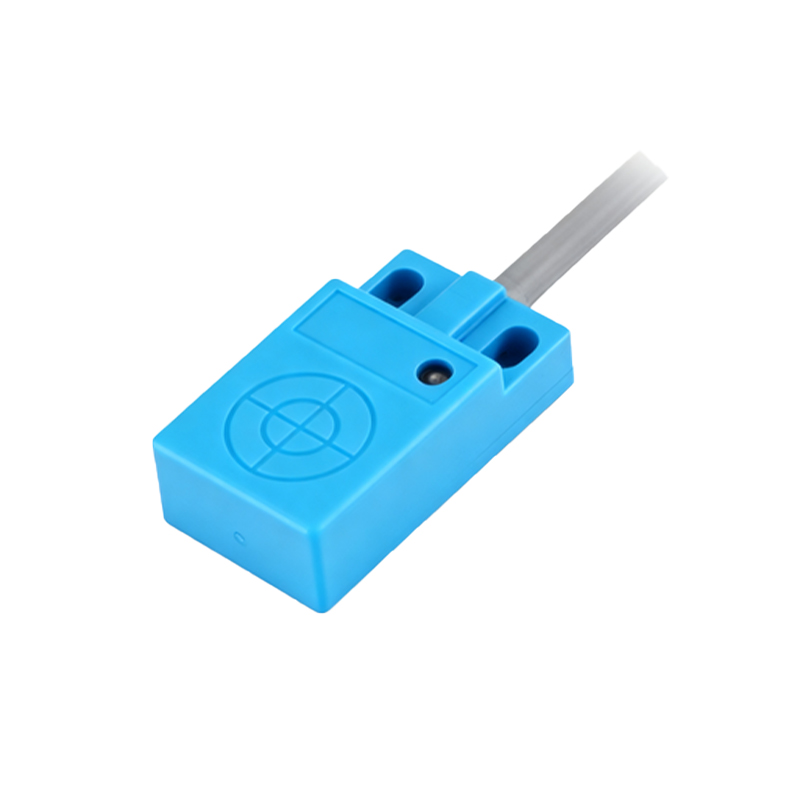
The integration of proximity braking sensors with IoT (Internet of Things) and Industry 4.0 trends has further elevated their functionality. Modern sensors can transmit real-time data to centralized control systems, enabling predictive maintenance and adaptive braking strategies. This connectivity allows operators to monitor sensor health, adjust sensitivity remotely, and analyze performance metrics, leading to minimized downtime and improved operational safety. Additionally, advancements in miniaturization and energy efficiency have made these sensors more compact and suitable for space-constrained applications, from medical devices to consumer electronics.
Despite their reliability, selecting the right proximity braking sensor requires careful consideration of factors like sensing range, environmental conditions, response time, and material compatibility. For instance, in high-temperature settings, sensors with robust housings and thermal resistance are essential to prevent false triggers. Regular calibration and testing are also crucial to maintain accuracy, as sensor drift can compromise safety protocols. Industry standards, such as IEC 60947-5-2, provide guidelines for installation and performance, ensuring compliance with global safety regulations.
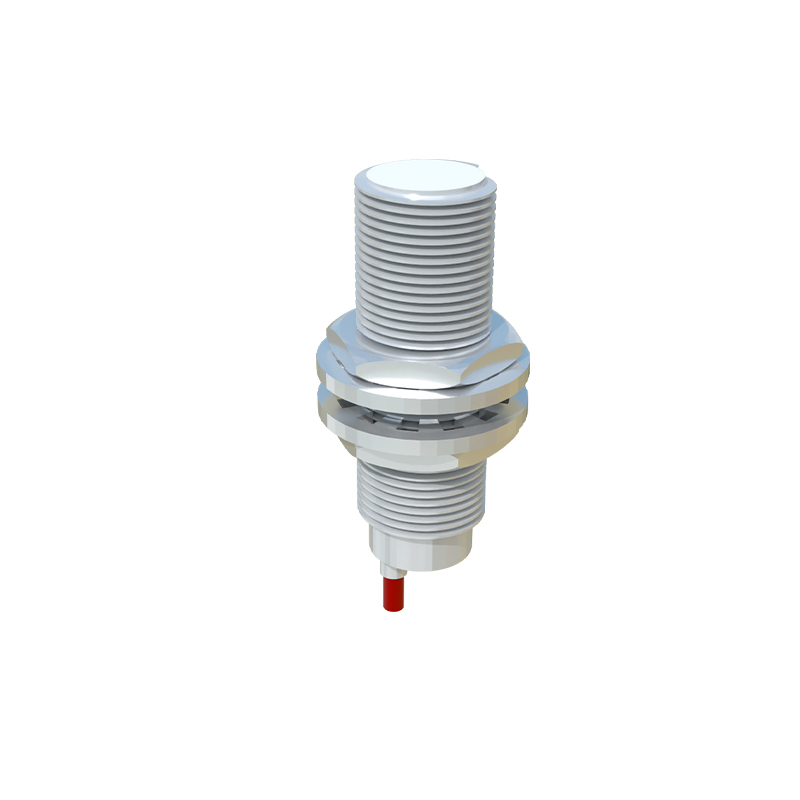
Looking ahead, the evolution of proximity braking sensors is poised to embrace AI-driven analytics and enhanced sensitivity. Innovations in sensor fusion, combining multiple detection technologies, will enable more nuanced object recognition and adaptive braking in dynamic environments. As automation expands into sectors like autonomous vehicles and smart infrastructure, these sensors will play a pivotal role in creating safer, more responsive systems. Their silent vigilance continues to redefine the boundaries of industrial efficiency, proving that even the smallest components can have a monumental impact on modern engineering.
In summary, proximity braking sensors are indispensable in today's automated world, blending cutting-edge technology with practical safety solutions. By enabling precise, contactless detection and rapid braking actions, they not only protect assets but also drive innovation across industries. Engineers and technicians must stay abreast of technological advancements to leverage these sensors effectively, ensuring that automation remains both productive and secure for years to come.