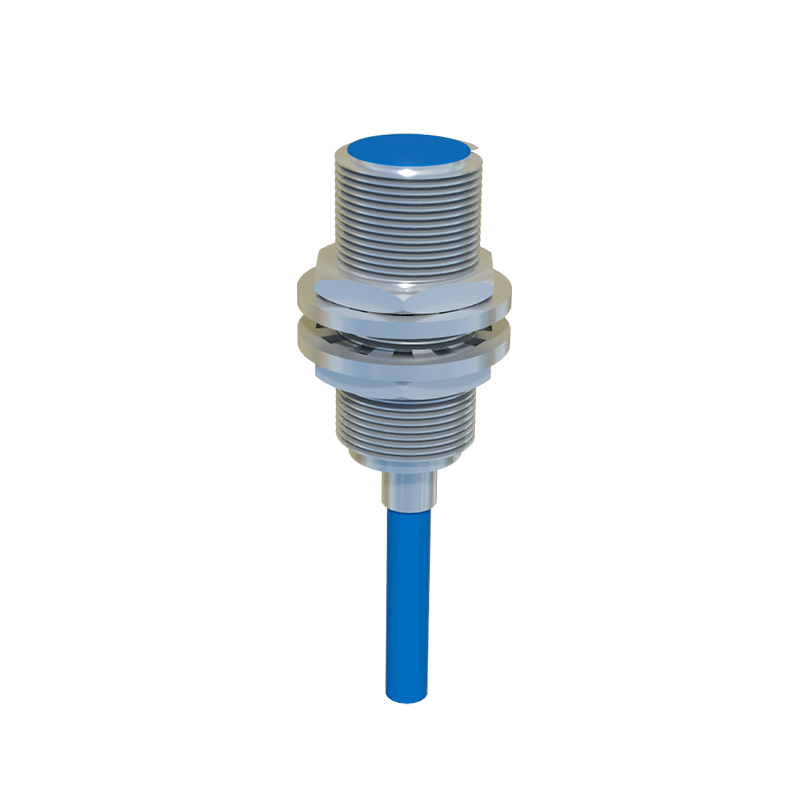
In industrial automation and machinery, proximity sensors play a critical role in detecting the presence or absence of objects without physical contact. Among the widely used models, the S8 series proximity sensor is renowned for its reliability, durability, and precision in various harsh environments. However, like any electronic component, S8 proximity sensors can experience malfunctions or complete failure, leading to downtime, safety risks, and production losses. This article delves into the common causes of S8 proximity sensor failure, diagnostic methods, and practical solutions to restore optimal performance.
Proximity sensors, including the S8 type, operate based on electromagnetic, inductive, or capacitive principles to detect metallic or non-metallic targets. The S8 inductive proximity sensor, for instance, generates an electromagnetic field that interacts with a metal object, triggering a switch signal. When these sensors fail, the symptoms often include inconsistent detection, no output signal, or erratic behavior. One primary cause is environmental contamination. Dust, oil, coolant, or metal shavings can accumulate on the sensor face, interfering with its electromagnetic field and reducing sensing range. In heavy industrial settings, such as manufacturing plants or automotive assembly lines, regular exposure to contaminants necessitates frequent cleaning and maintenance to prevent buildup.
Electrical issues are another prevalent factor in S8 sensor failures. Voltage spikes, improper wiring, or incorrect power supply can damage internal circuitry. For example, connecting the sensor to a voltage outside its specified range—such as using a 24V DC sensor on a 110V AC line—can cause immediate burnout. Additionally, loose connections, corroded terminals, or damaged cables may result in intermittent signals or complete failure. It is essential to verify the power source, wiring diagram, and grounding according to the manufacturer's specifications. Using surge protectors or voltage regulators can mitigate risks from electrical surges, especially in areas with unstable power grids.
Mechanical stress and physical damage also contribute to sensor失灵. The S8 sensor housing, though robust, can crack or deform under excessive force, vibration, or impact. Misalignment during installation, such as placing the sensor too far from the target or at an incorrect angle, reduces effectiveness and may simulate a failure. In high-vibration environments, like conveyor systems or robotic arms, securing the sensor with appropriate mounts and checking alignment periodically is crucial. Furthermore, wear and tear over time can degrade internal components, such as the oscillator coil or output transistor, leading to gradual performance decline.
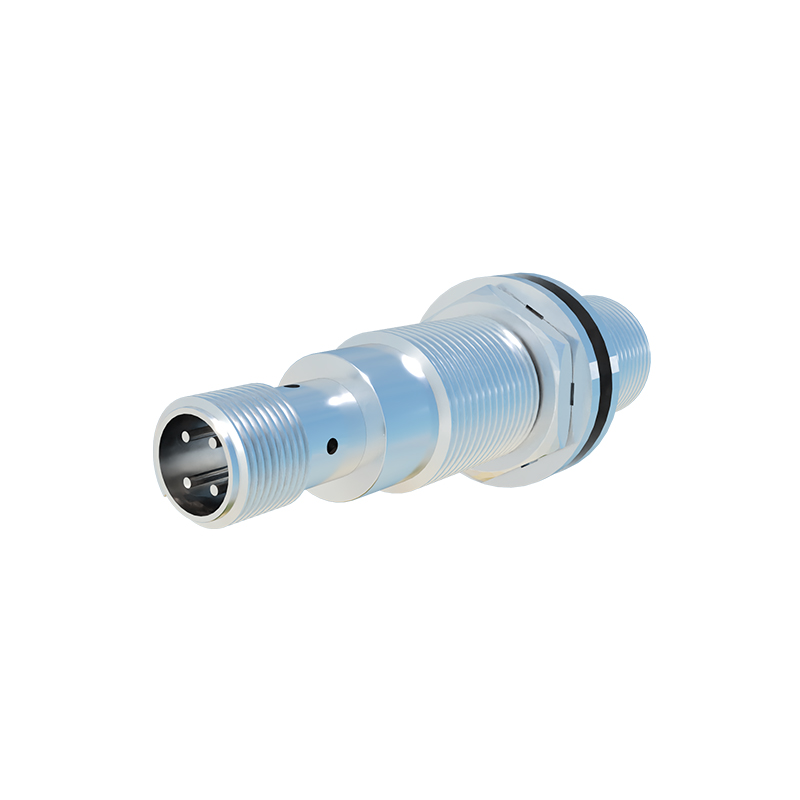
To diagnose S8 proximity sensor issues, a systematic approach is recommended. Start with a visual inspection for obvious damage, contamination, or loose parts. Clean the sensor face with a soft cloth and non-abrasive cleaner if needed. Next, use a multimeter to test the output signal and voltage levels. For a three-wire DC sensor, measure the voltage between the output wire and ground while activating the sensor with a metal target. A lack of voltage change indicates a potential fault. Alternatively, an oscilloscope can analyze signal waveforms for irregularities. Consulting the sensor's datasheet for technical parameters, such as sensing distance and response time, helps in accurate assessment. In some cases, swapping the sensor with a known working unit can quickly isolate the problem.
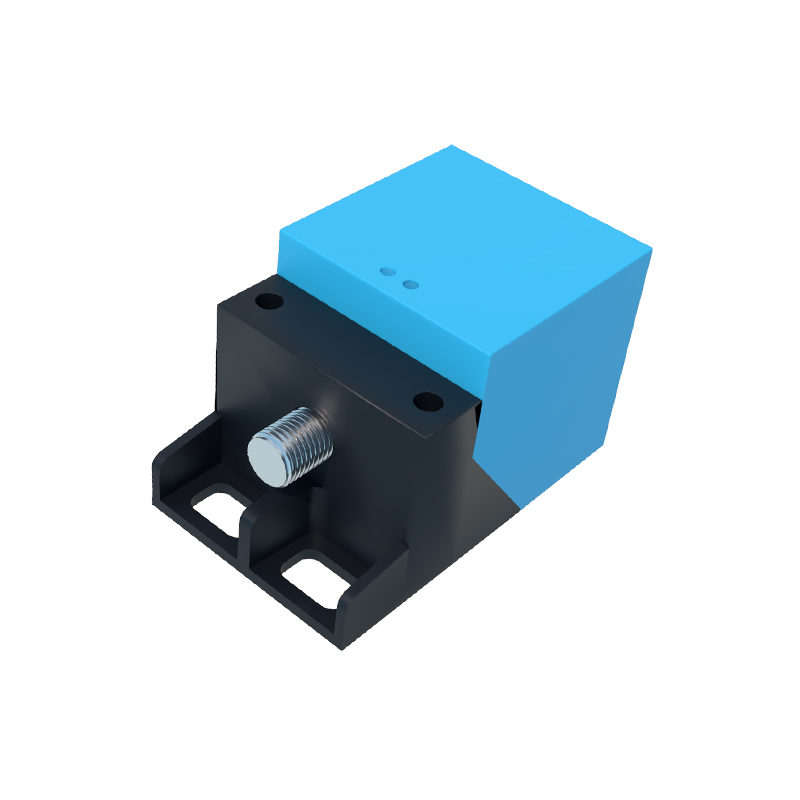
Preventive maintenance is key to minimizing S8 sensor failures. Implement a routine schedule that includes cleaning, electrical checks, and mechanical inspections. Ensure proper installation by following guidelines for mounting distance, environmental ratings (e.g., IP67 for dust and water resistance), and compatibility with control systems. Training personnel on correct handling and troubleshooting can reduce human error. For persistent issues, consider upgrading to enhanced models with higher durability or integrating redundancy systems for critical applications.
In summary, S8 proximity sensor failures often stem from environmental, electrical, or mechanical factors. By understanding these causes and applying proactive maintenance, industries can enhance reliability and efficiency. If problems persist, consult with technical support or replace the sensor to avoid costly disruptions.