Proximity sensors have become indispensable components in modern industrial automation, offering non-contact detection capabilities that enhance efficiency, safety, and precision across various sectors. These sensors, which detect the presence or absence of objects without physical contact, are primarily categorized into inductive, capacitive, ultrasonic, and magnetic types, each suited to specific environmental and operational needs.
In manufacturing and assembly lines, inductive proximity sensors are widely employed for metal detection. They monitor the position of machine parts, count metallic objects on conveyor belts, and ensure proper alignment in robotic arms. For instance, in automotive manufacturing, these sensors verify the placement of engine components or detect the presence of metal panels during painting processes, reducing errors and downtime. Their robustness in harsh conditions—such as exposure to dust, oil, or vibrations—makes them ideal for factory floors.
The packaging industry relies heavily on capacitive proximity sensors, which can detect non-metallic materials like plastic, glass, or liquids. These sensors are used to monitor fill levels in containers, detect labels on bottles, or control material handling systems. In food and beverage production, they ensure packaging integrity by identifying missing caps or monitoring liquid levels without direct contact, maintaining hygiene standards and preventing contamination.
Ultrasonic proximity sensors excel in applications requiring distance measurement or detection in challenging environments. In logistics and warehousing, they facilitate automated guided vehicles (AGVs) by navigating around obstacles and managing inventory through level sensing in storage tanks. Additionally, they are utilized in agriculture for monitoring grain silos or in wastewater treatment plants to measure fluid levels, where factors like humidity or dust might interfere with other sensor types.
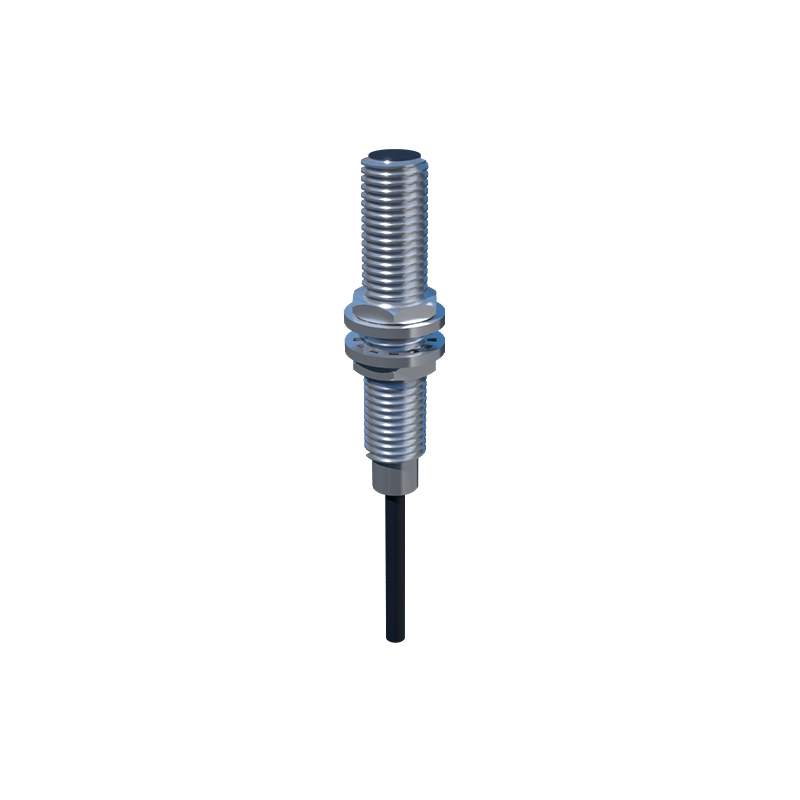
Magnetic proximity sensors, often based on reed switches or Hall effect technology, are pivotal in safety and control systems. They are commonly found in elevator positioning, door interlock mechanisms, and machinery where ferromagnetic objects need detection. In the renewable energy sector, these sensors monitor turbine blade positions in wind farms, ensuring optimal performance and preventing mechanical failures.
Beyond traditional industries, proximity sensors play a critical role in emerging technologies. In smart buildings, they enable energy-saving features like automatic lighting control and occupancy detection. The automotive sector integrates them into advanced driver-assistance systems (ADAS) for parking assistance and collision avoidance. Furthermore, in healthcare, sterilized environments use sensors to operate hands-free equipment, minimizing infection risks.
The versatility of proximity sensors stems from their ability to operate reliably under extreme temperatures, pressures, or corrosive conditions. By reducing mechanical wear and enabling real-time data collection, they contribute to predictive maintenance strategies, lowering operational costs and enhancing productivity. As Industry 4.0 evolves, the integration of IoT connectivity with proximity sensors is paving the way for smarter, more adaptive industrial ecosystems, where seamless automation and data-driven decision-making become standard.
In summary, proximity sensors are foundational to modern industrial advancements, driving innovation in manufacturing, packaging, logistics, safety, and beyond. Their diverse applications underscore the importance of selecting the right sensor type based on material properties, environmental factors, and desired outcomes, ensuring optimized performance across global industries.