In the realm of industrial automation and precision manufacturing, thread rolling machines stand as critical equipment for producing high-strength, durable threads on various metal components. At the heart of ensuring the operational accuracy and safety of these machines lies a seemingly modest yet indispensable component: the proximity switch sensor. This article delves into the technical aspects, applications, and selection criteria of proximity switch sensors within thread rolling machinery, adhering to industry standards and practices.
Proximity switch sensors, often referred to simply as proximity sensors, are non-contact electronic devices designed to detect the presence or absence of metallic objects without physical interaction. In thread rolling machines, they play a pivotal role in monitoring positions, controlling movements, and safeguarding processes. Typically, these sensors operate on electromagnetic principles, such as inductive sensing, which responds to ferrous and non-ferrous metals. When a metal target—like a workpiece, tool, or machine part—enters the sensor's detection range, it induces eddy currents, triggering an output signal that interfaces with the machine's control system. This allows for precise timing in operations like feeding, clamping, and ejection, thereby enhancing throughput and minimizing errors.
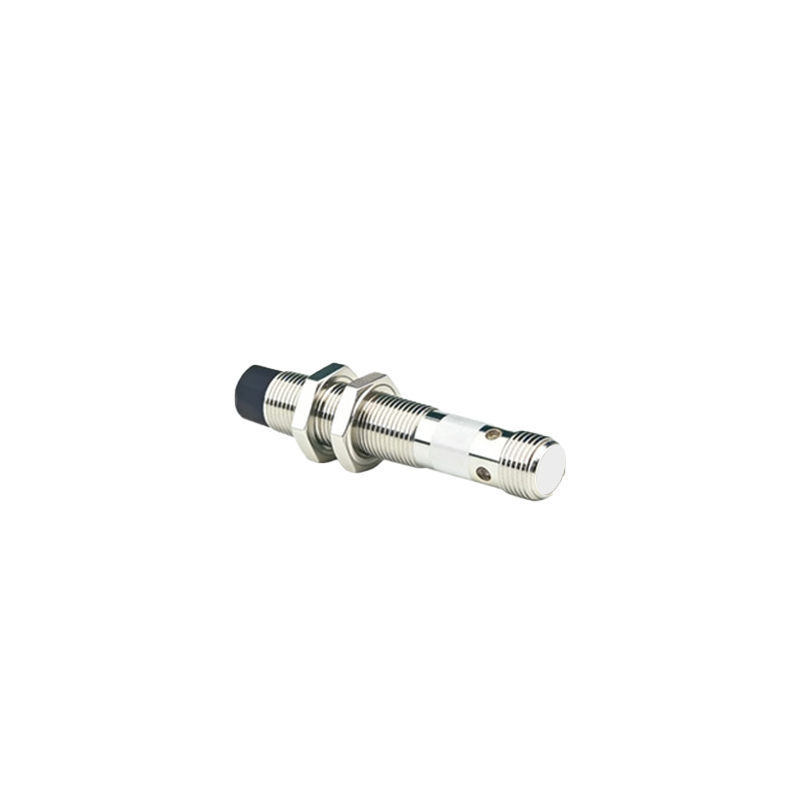
The integration of proximity sensors in thread rolling machines addresses several operational challenges. For instance, in high-speed rolling applications, sensors ensure that workpieces are correctly positioned before the rolling dies engage, preventing misalignment that could lead to defective threads or machine damage. They also facilitate automated cycle control, enabling seamless transitions between stages without manual intervention. Common mounting points include near the feed mechanism to detect part presence, adjacent to the rolling head for tool positioning verification, and along safety guards to halt operations if unauthorized access is detected.
Selecting the appropriate proximity sensor for a thread rolling machine requires careful consideration of technical parameters. Key factors include sensing distance, which must align with the machine's spatial constraints; response time, critical for synchronizing with fast-moving components; and environmental robustness, as these sensors often endure vibrations, coolant splashes, and metal shavings. Industry-grade sensors typically feature IP67 or higher ingress protection ratings, ensuring durability in harsh workshop conditions. Additionally, output types—such as PNP (sourcing) or NPN (sinking)—must match the machine's PLC (Programmable Logic Controller) input specifications to avoid compatibility issues.
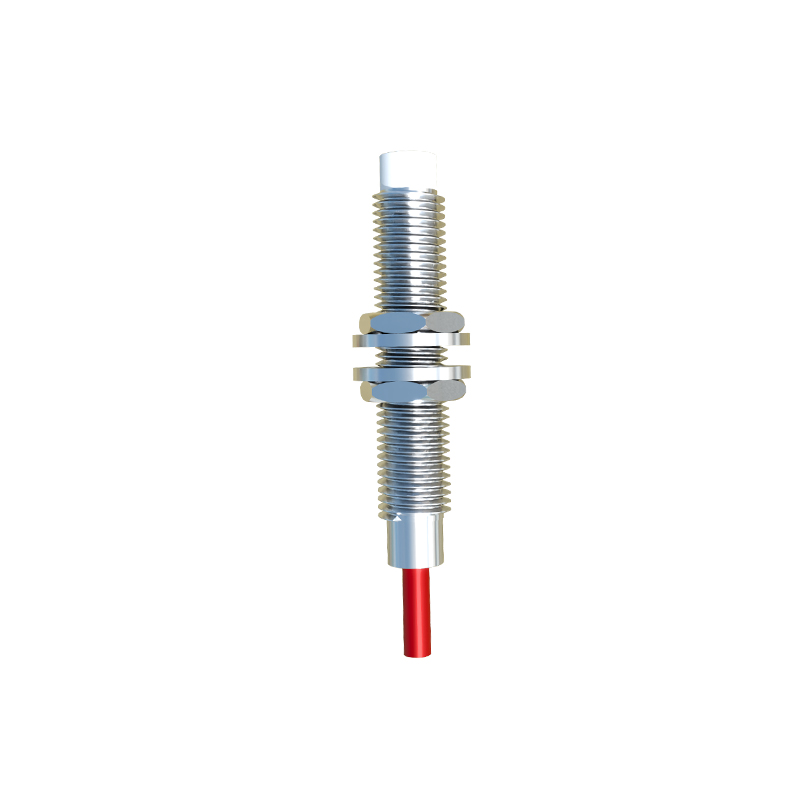
Maintenance and calibration are essential for sustaining sensor performance. Regular inspections should check for physical damage, contamination buildup, and signal stability. In thread rolling environments, accumulations of oil or metallic dust can attenuate sensing capabilities, necessitating periodic cleaning. Calibration may involve adjusting the sensing range or threshold to accommodate wear on machine parts over time. Most modern sensors offer diagnostic LEDs or IO-Link communication for real-time monitoring, simplifying troubleshooting and reducing downtime.
Advancements in sensor technology continue to refine their application in thread rolling. For example, analog proximity sensors provide continuous distance feedback, allowing for adaptive control in precision threading tasks. High-temperature variants withstand the heat generated during intensive rolling operations, while shielded designs minimize interference from adjacent metallic structures. Integrating smart sensors with Industry 4.0 frameworks enables predictive maintenance, where data on sensor performance and machine cycles can be analyzed to anticipate failures before they occur, boosting overall equipment effectiveness (OEE).
In summary, proximity switch sensors are vital enablers of efficiency and reliability in thread rolling machines. Their ability to deliver accurate, non-contact detection underpins automated workflows, quality assurance, and operator safety. As manufacturing evolves toward greater connectivity and precision, these sensors will remain integral to optimizing thread production processes. Engineers and technicians should prioritize selecting robust, application-specific sensors and adhering to proactive maintenance schedules to maximize machine uptime and output quality.