In the realm of industrial automation and control systems, miniature proximity sensors have become indispensable components. These compact, non-contact devices are designed to detect the presence or absence of an object within a specified sensing range without any physical contact. As an experienced electrical engineer, I have witnessed their evolution and widespread adoption across various sectors, from intricate assembly lines in electronics manufacturing to robust machinery in automotive plants. This article delves into the core advantages and inherent limitations of these sophisticated sensors, providing a balanced perspective for engineers and system integrators.
The primary advantage of miniature proximity sensors lies in their compact size. Their small form factor allows for installation in space-constrained environments where traditional limit switches or larger sensors simply cannot fit. This enables more elegant and dense machine designs, contributing to the overall miniaturization trend in modern equipment. Furthermore, their non-contact operation is a significant benefit. Since there is no mechanical wear from physical touch, these sensors boast exceptionally long operational lifespans and high reliability. They are immune to issues like contact bounce or contamination from dust and oil that plague mechanical switches, leading to reduced maintenance costs and increased system uptime.
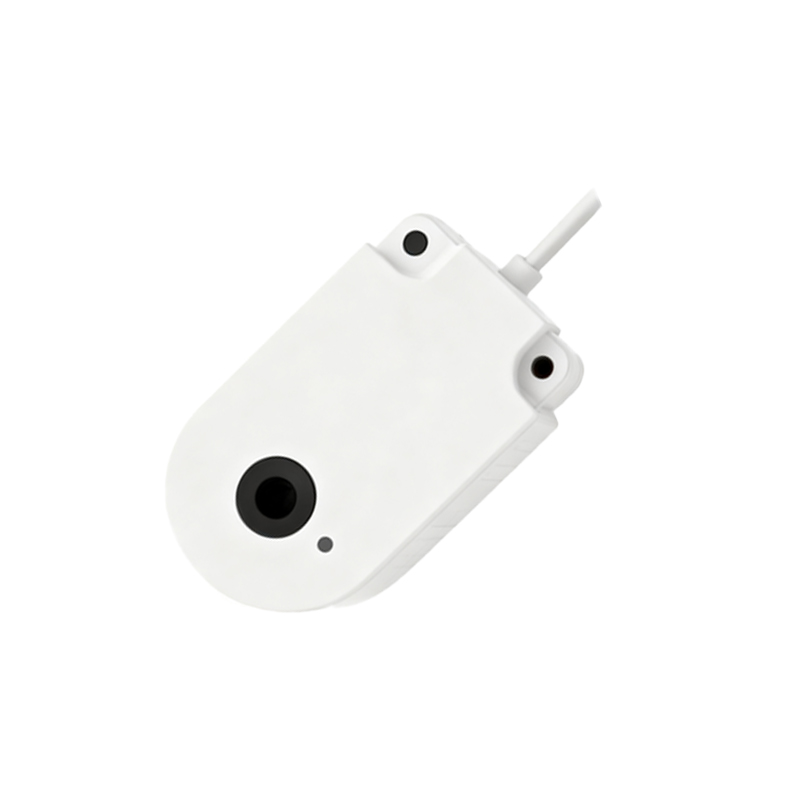
Another key strength is their high switching frequency and rapid response times. Miniature inductive or capacitive proximity sensors can detect objects at speeds far exceeding the capabilities of any mechanical device. This makes them ideal for high-speed counting, positioning, and inspection tasks on fast-moving production lines. Their output signals are clean and stable, interfacing seamlessly with Programmable Logic Controllers (PLCs) and other digital control systems. Many models also offer excellent environmental resistance. Sealed housings (often rated IP67 or higher) protect them from coolants, cutting fluids, and washdown procedures, ensuring consistent performance in harsh industrial settings.
From a versatility standpoint, modern miniature sensors come in various sensing technologies. Inductive types are perfect for detecting metals, capacitive versions can sense non-metallic materials like plastics or liquids, and magnetic sensors work with permanent magnets. This variety allows engineers to select the perfect sensor for a specific material detection challenge. Additionally, features like short-circuit protection, reverse polarity protection, and LED status indicators are now standard, enhancing their robustness and ease of use during installation and troubleshooting.
However, despite their numerous advantages, miniature proximity sensors are not a universal solution and present certain disadvantages. The most notable limitation is their finite sensing range. While sufficient for most positioning tasks, their range is typically only a few millimeters to tens of millimeters. This requires precise mechanical alignment and mounting, which can increase installation time and complexity compared to a simple mechanical lever arm switch that might have a wider actuation tolerance.
The sensing performance is also highly dependent on the target material. An inductive sensor calibrated for mild steel will have a reduced range for stainless steel or aluminum, and may not detect non-metals at all. This material dependency must be carefully calculated during the design phase to avoid detection failures. Furthermore, these sensors can be susceptible to electromagnetic interference (EMI) from nearby motors, variable frequency drives (VFDs), or welding equipment. Proper shielding, cable routing, and sometimes the use of ferrite cores are necessary to prevent false triggering.
Cost is another consideration. While prices have decreased, a high-quality miniature proximity sensor is still more expensive upfront than a basic mechanical micro-switch. For applications requiring hundreds of sensors, this cost difference can be significant. Although the total cost of ownership may be lower due to reduced maintenance, the initial capital expenditure is higher. Finally, their small size can be a double-edged sword. While beneficial for fitting into tight spaces, it can make visual inspection of the status LED difficult and may require specialized tools for mounting and adjustment in dense control panels.
In conclusion, miniature proximity sensors offer a powerful combination of reliability, speed, and durability in a small package, making them the default choice for modern non-contact detection. Their advantages in reducing maintenance and enabling high-speed automation are profound. However, engineers must carefully evaluate their limitations regarding sensing range, material sensitivity, environmental interference, and cost. A thorough understanding of both the application requirements and the sensor's specifications is paramount. The successful implementation of these devices hinges not just on selecting the right sensor, but also on proper installation, shielding, and integration into the broader control system, ensuring they deliver their full potential in driving efficient and reliable automation.