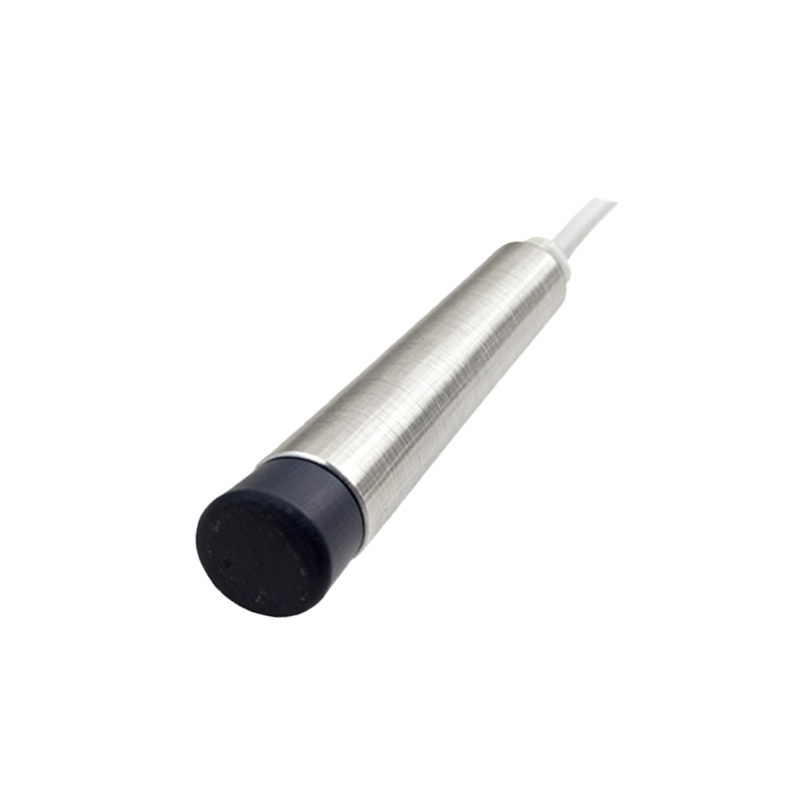
Proximity light sensors, a pivotal component in the realm of automation and smart devices, have revolutionized how machines interact with their environment. These sensors detect the presence or absence of an object within a specific range without any physical contact, primarily by emitting an electromagnetic field or a beam of electromagnetic radiation (often infrared light) and analyzing the changes in the field or return signal. Their utility spans across numerous industries, from consumer electronics to heavy industrial automation, making them indispensable in today's technologically driven world.
In the consumer electronics sector, proximity light sensors are most commonly encountered in smartphones and tablets. Here, they play a crucial role in enhancing user experience and conserving battery life. When a user holds a phone to their ear during a call, the sensor detects the proximity of the face and automatically turns off the display. This prevents accidental screen touches (like cheek-dialing) and reduces power consumption by deactivating the backlight. Similarly, in modern laptops, these sensors can help in power management by dimming or turning off the screen when the user is not in front of the device.
The automotive industry heavily relies on proximity sensors for safety and convenience features. They are integral to parking assistance systems, where ultrasonic or infrared proximity sensors measure the distance to nearby obstacles, providing audible or visual warnings to the driver. This technology significantly reduces the risk of low-speed collisions. Furthermore, advanced driver-assistance systems (ADAS) use arrays of such sensors for functions like blind-spot detection and automatic emergency braking, forming a sensory network that contributes to semi-autonomous driving capabilities.
Industrial automation represents perhaps the most critical application area. In manufacturing and packaging lines, proximity light sensors are used for precise object detection, counting, and positioning. For instance, on a conveyor belt, they can detect the passage of items to trigger the next step in an assembly process or to sort products based on height or presence. Their non-contact nature is a significant advantage in environments where hygiene is paramount (like food and pharmaceutical production) or where the objects are delicate and could be damaged by physical switches. They also contribute to machine safety by ensuring that protective guards are in place or by creating safety light curtains that halt machinery when a worker's hand breaches a defined zone.
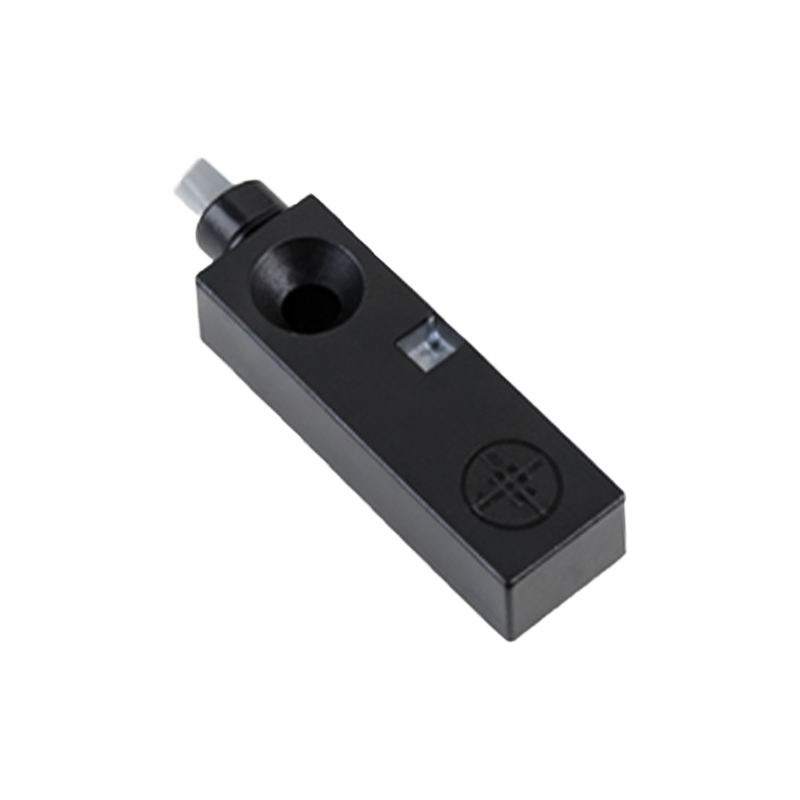
Beyond these, proximity sensors find applications in robotics for navigation and obstacle avoidance, in retail for automatic doors and people counting, and in home automation for touchless faucets, soap dispensers, and lighting control. The choice of sensor type—inductive, capacitive, photoelectric (light-based), or ultrasonic—depends on the specific material of the target object, required sensing distance, environmental conditions (like dust, moisture, or ambient light), and cost considerations.
The benefits of using proximity light sensors are manifold. They offer high reliability and long operational life due to the absence of moving parts and physical wear. Their response time is extremely fast, enabling high-speed automation processes. They can detect a wide variety of materials, and modern versions are highly resistant to environmental interference. Moreover, their ability to function without contact eliminates the need for maintenance associated with mechanical limit switches and prevents contamination of both the sensor and the target object.
In conclusion, the utility of proximity light sensors is vast and growing. They are fundamental enablers of efficiency, safety, and intuitive interaction in both consumer and industrial domains. As the Internet of Things (IoT) and Industry 4.0 continue to expand, the demand for sophisticated, miniaturized, and energy-efficient proximity sensing solutions will only intensify, solidifying their role as a cornerstone of modern electromechanical design and smart system integration.