In the realm of industrial automation and machinery design, small proximity sensors are indispensable components. Their ability to detect the presence or absence of an object without physical contact makes them critical for countless applications, from assembly lines to robotics. For engineers and procurement specialists, understanding the pricing landscape of these sensors is as crucial as understanding their technical specifications. The cost of a small proximity sensor is not a single figure but a complex equation influenced by a multitude of factors.
First and foremost, the sensing technology itself is a primary cost driver. Inductive proximity sensors, which detect metallic objects, are generally the most cost-effective option for standard metal detection tasks. Their pricing varies based on sensing range, typically from a few millimeters to several centimeters. Capacitive sensors, capable of detecting both metallic and non-metallic materials like plastics, liquids, or wood, often come at a premium due to their more complex internal circuitry. Ultrasonic sensors, offering longer ranges and the ability to detect various materials regardless of color or transparency, represent a higher price bracket. Photoelectric sensors, including through-beam, retro-reflective, and diffuse types, have a wide price range depending on their light source (LED vs. laser), sensing distance, and environmental robustness.
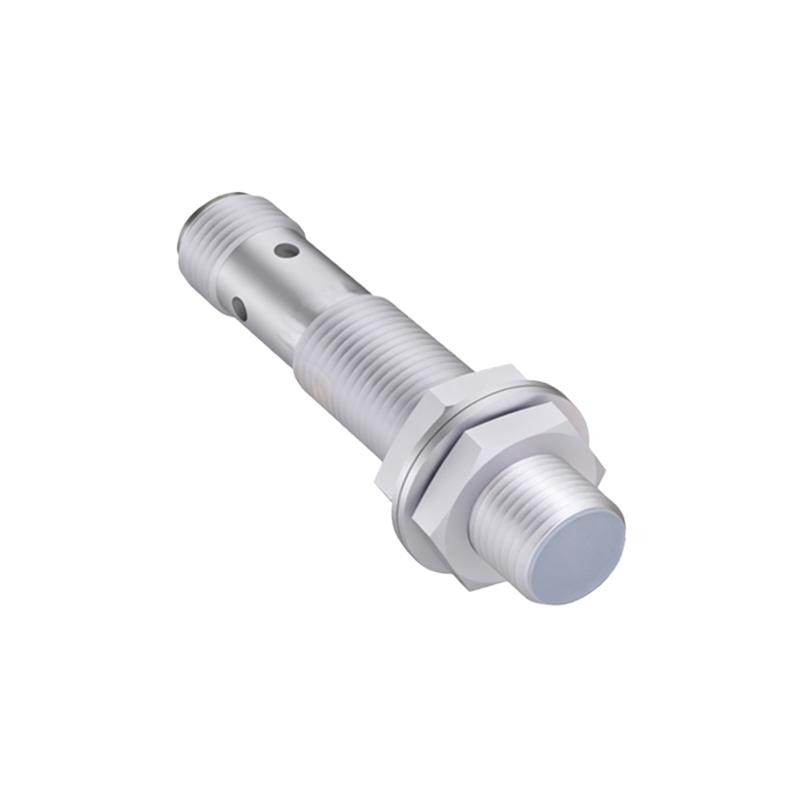
The physical size and housing material significantly impact the price. The trend toward miniaturization, such as M8, M12, or even M5 threaded barrels, often increases manufacturing costs due to precision engineering requirements. A standard cylindrical housing in nickel-plated brass or stainless steel is common. However, sensors designed for harsh environments—featuring housings made of high-grade stainless steel (e.g., V4A/AISI 316L), specialized coatings for chemical resistance, or enhanced sealing for IP67, IP68, or IP69K ratings—command a higher price. The cost of raw materials and the complexity of achieving these protective ratings are directly reflected in the unit price.
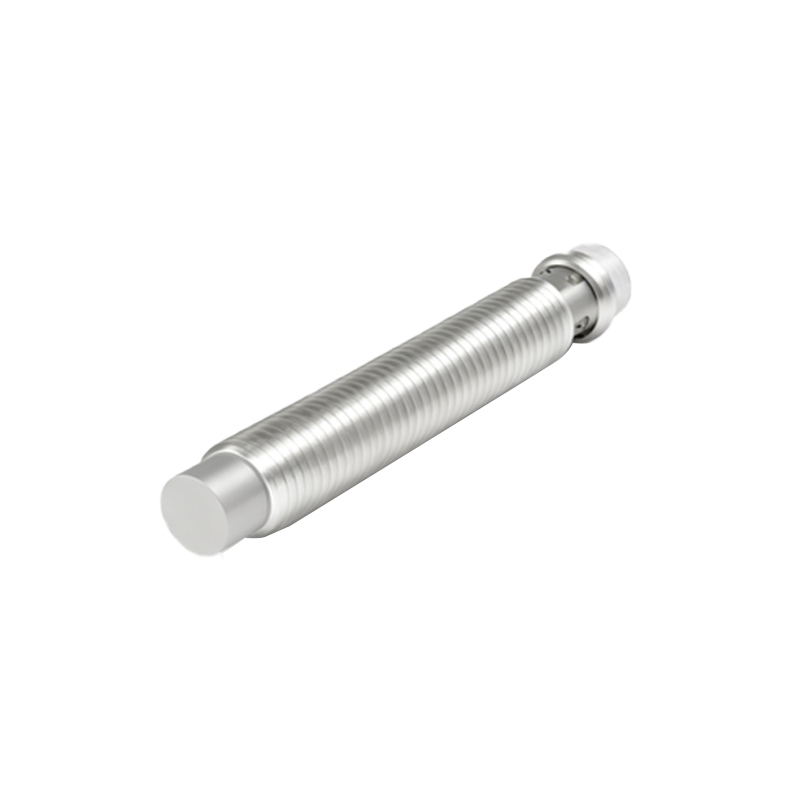
Electrical characteristics and output configuration are other vital factors. A basic two-wire AC/DC sensor with a normally open (NO) or normally closed (NC) PNP/NPN transistor output is typically the baseline. Sensors with advanced features like analog outputs (4-20mA, 0-10V), IO-Link digital communication for Industry 4.0 integration, short-circuit protection, reverse polarity protection, or programmable parameters (e.g., teach-in function) will see a price increase. These features add value through enhanced diagnostics, easier integration, and reduced downtime.
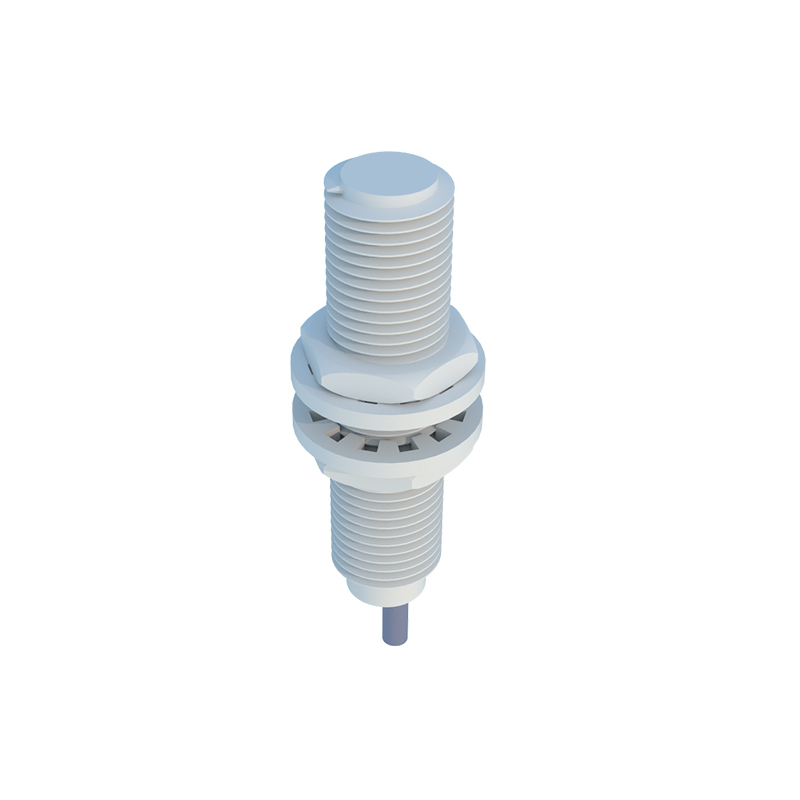
Brand reputation and supply chain considerations play a substantial role in pricing. Established global manufacturers like Siemens, Omron, Pepperl+Fuchs, Sick, and Balluff often price their sensors higher, justified by proven reliability, extensive R&D, global technical support, and longer warranty periods. These brands offer consistency and are frequently specified in large-scale OEM designs. Conversely, competitive brands or generic alternatives may offer similar specifications at a lower initial cost, which can be attractive for cost-sensitive or high-volume applications. However, engineers must weigh this against potential variances in quality, longevity, and the availability of replacement parts. Lead times and minimum order quantities (MOQs) also affect the final landed cost, especially in times of component shortages.
The application's specific requirements ultimately dictate the necessary investment. A simple task of detecting a steel gear tooth in a clean cabinet requires a standard inductive sensor. In contrast, detecting a transparent bottle on a high-speed filling line, monitoring liquid levels in an aggressive chemical tank, or ensuring precise positioning in a welding cell with heavy spatter demands specialized—and consequently more expensive—sensors. The cost of sensor failure, including production stoppages, quality defects, and maintenance labor, often justifies selecting a higher-grade, more reliable sensor.
In summary, requesting a "quote for a small proximity sensor" is akin to asking for the price of a "vehicle." The answer depends entirely on the specifications. Engineers should meticulously define their requirements: target material, required sensing distance, operating environment (temperature, contaminants), electrical supply, output signal needed, housing size and material, and required certifications (e.g., ATEX for hazardous areas). Providing this detailed specification sheet to suppliers will yield accurate, comparable quotes. The goal is not merely to find the lowest price but to optimize the total cost of ownership, balancing initial investment with performance, durability, and integration efficiency to ensure a reliable and cost-effective automation solution.