In the industrial automation and environmental monitoring sectors, dust laser sensors have become indispensable tools for precise particulate matter measurement. These sensors, utilizing laser scattering principles, offer high accuracy and reliability in detecting dust concentrations across various applications, from factory air quality control to emission monitoring stacks. For engineers, procurement specialists, and project managers, establishing direct contact with reputable dust laser sensor manufacturers is a critical step in sourcing the right technology. This guide provides a structured approach to finding and contacting these manufacturers effectively.
The first step is identifying potential manufacturers. A robust online search using specific keywords is essential. Terms like "industrial dust laser sensor manufacturer," "PM2.5/PM10 laser sensor supplier," or "laser particle counter OEM" will yield primary results. Industry-specific B2B platforms such as Thomasnet, Alibaba (for a broad supplier base), or Global Sources are valuable resources. These platforms often list company profiles, product catalogs, and contact information. Furthermore, reviewing industry publications, attending trade shows like SENSOR+TEST or ISA Automation Week, and consulting technical white papers can reveal leading players in the field. Established manufacturers often have a strong presence at these events and in technical literature.
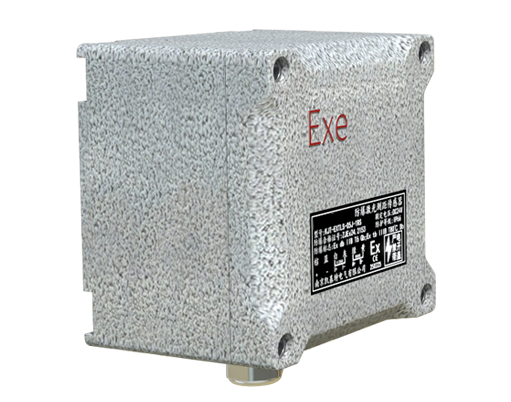
Once a list of potential manufacturers is compiled, the next phase is verification and evaluation. A professional manufacturer's website is a key indicator of credibility. Look for detailed technical specifications, datasheets, application notes, and certifications (e.g., ATEX, IECEx for hazardous areas, or relevant international standards like ISO 21501-4). The "About Us" and "Contact" pages are crucial. The contact page should provide more than just a generic email form. Ideally, it lists direct phone numbers for sales or technical support departments, regional office contacts, and possibly even specific contacts for key account managers. Be wary of websites that only offer a single contact form with no verifiable address or phone number.
Preparing for the contact call is as important as finding the number. Before dialing, have a clear understanding of your project requirements. This includes: the specific application (e.g., indoor air monitoring, stack emission, cleanroom validation), the required measurement range (e.g., 0-10 mg/m³, 0-1000 µg/m³), particle size focus (PM1, PM2.5, PM10, TSP), necessary output signals (4-20mA, Modbus, Ethernet/IP), and environmental conditions (temperature, pressure, humidity). This preparation allows you to engage in a technically substantive conversation, moving quickly past general inquiries to specific needs.
When making the call, a professional introduction is paramount. State your name, your company, and your role. Briefly explain your project or application. For example: "Hello, this is [Your Name], a project engineer with [Your Company]. I'm working on an industrial baghouse filter monitoring system and require a robust laser dust sensor for continuous emission measurement. I found your company through [Source] and would like to speak with a technical sales engineer regarding your model XYZ series." This approach directs you to the appropriate person efficiently. Be prepared for the call to be transferred. Have a notepad or digital document ready to record the contact person's name, direct line, email, and any technical details discussed.
If the initial call leads to a voicemail or general inbox, leave a concise, detailed message with your callback number and a summary of your inquiry. Follow up with an email that reiterates the key points. The subject line should be specific, e.g., "Technical Inquiry: Dust Laser Sensor for Cement Plant Application - [Your Company Name]".
Beyond the general sales line, seek out direct contacts for technical support or applications engineering. These departments are invaluable for deep technical discussions regarding sensor integration, calibration, environmental interferences, and long-term performance. Their direct phone numbers are sometimes listed on product-specific pages or in downloadable manuals.
In today's global market, consider time zones and language. Many leading dust laser sensor manufacturers are based in Europe, North America, and Asia. Check their website for regional office contacts. A call to a local sales office in your region or time zone can be more effective than calling headquarters halfway across the world.
Finally, document all interactions. Keep a record of the manufacturers contacted, the individuals spoken to, their contact information, the dates of communication, and the key points of discussion. This will be essential for comparison and follow-up during the procurement process.
Remember, the manufacturer's phone call is the beginning of a technical partnership. A professional, prepared approach not only gets you the information you need faster but also establishes a foundation for a productive supplier relationship, ensuring you source a dust laser sensor that precisely meets your operational and technical demands.