In the realm of industrial automation and electrical engineering, proximity sensors are indispensable components. They provide non-contact detection of objects, enabling precise control, safety, and efficiency in countless applications. Unlike limit switches, they operate without physical contact, thereby reducing mechanical wear and tear. Fundamentally, proximity sensors detect the presence or absence of an object within a specified sensing range. Their selection is critical and depends on factors such as target material, required sensing distance, environmental conditions, and response speed. This guide delves into the six primary types of proximity sensors, detailing their operating principles, key characteristics, and typical use cases.
The first and most common type is the Inductive Proximity Sensor. This sensor generates an electromagnetic field from a coil in its sensing face. When a metallic object (typically ferrous metals like steel or iron, though some models detect non-ferrous metals) enters this field, it induces eddy currents within the target. This change in the electromagnetic field is detected by the sensor's internal circuitry, triggering an output signal. Inductive sensors are robust, resistant to dirt, dust, and moisture (often rated IP67 or higher), and offer high switching frequencies. They are ideal for detecting metal parts in machine tools, conveyor systems, and robotic arms. Their limitation is that they only detect metallic objects.
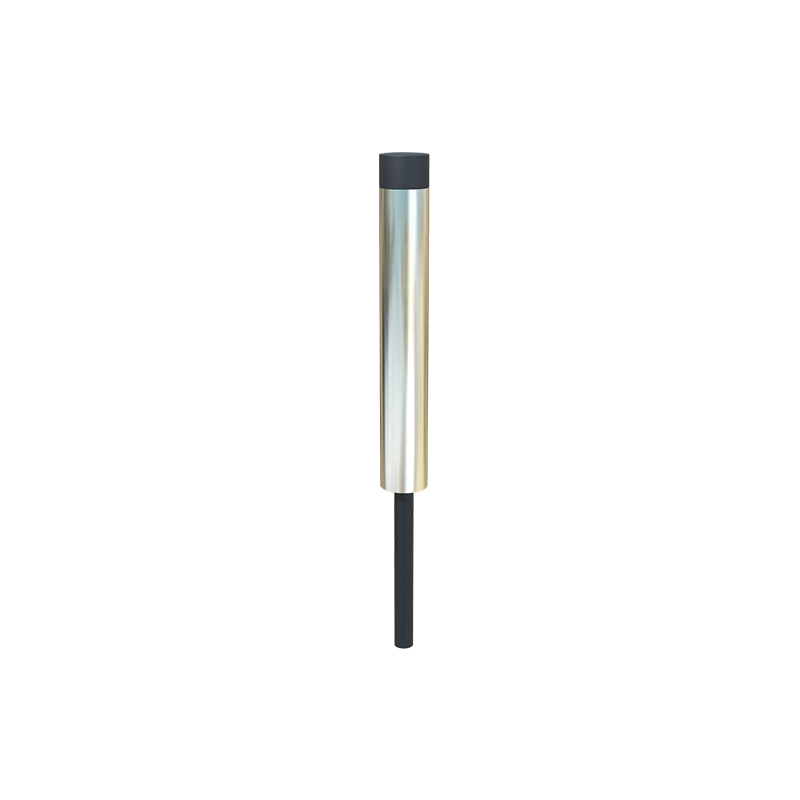
Second are Capacitive Proximity Sensors. These sensors can detect both metallic and non-metallic materials, including liquids, plastics, glass, wood, and granular substances. They function by generating an electrostatic field. Any object that enters this field alters the sensor's capacitance. Once this change reaches a predetermined threshold, the sensor activates. Capacitive sensors are excellent for level detection in tanks (e.g., detecting liquid or powder levels), material handling, and detecting non-metallic objects on production lines. They can also sense through certain non-metallic walls. However, they can be susceptible to environmental factors like humidity and temperature variations, requiring careful calibration.
The third category is Ultrasonic Proximity Sensors. These devices operate on a sonar principle. They emit high-frequency sound waves (ultrasonic pulses) and then listen for the echo reflected from a target object. By measuring the time interval between the emitted pulse and the received echo, the sensor can calculate the distance to the object. Ultrasonic sensors are versatile, capable of detecting objects of virtually any material, shape, or color, and are unaffected by transparency or reflectivity issues that plague optical sensors. Common applications include distance measurement, object detection in challenging environments (dusty, foggy), and liquid level sensing. Their drawbacks include a slower response time compared to inductive or capacitive sensors and potential interference from air turbulence or extreme temperature gradients.
Fourth, we have Photoelectric Proximity Sensors. These sensors use light beams to detect objects. They consist of a light emitter (usually an LED producing visible red, infrared, or laser light) and a receiver. They are further subdivided into three main operating modes. The Through-beam type has separate emitter and receiver units; an object is detected when it breaks the light beam. This mode offers the longest sensing range and high reliability. The Retro-reflective type uses a single unit and a reflector; detection occurs when the object interrupts the beam reflected back. The Diffuse (or proximity) mode has the emitter and receiver in one housing; it detects the object by the light reflected directly from the target's surface. Photoelectric sensors are excellent for long-range detection, small object detection, and sensing transparent or colored objects. They can be affected by ambient light, dirt on the lens, and highly reflective surfaces.
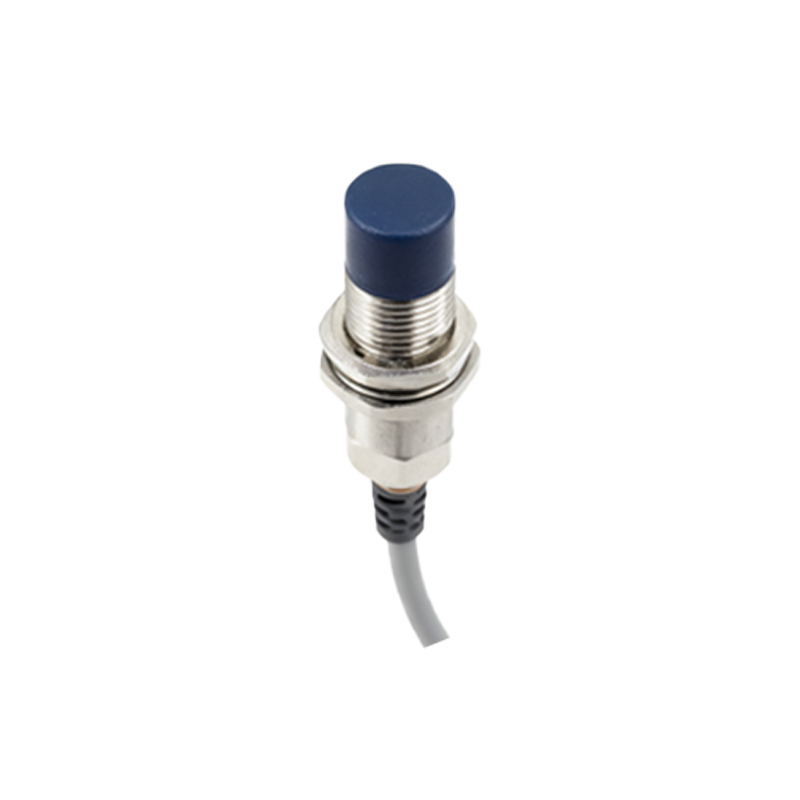
Fifth are Magnetic Proximity Sensors (often called Reed Switches or Hall Effect sensors). These detect the presence of a magnetic field, typically from a permanent magnet attached to the moving target. Reed switches use two ferromagnetic reeds sealed in a glass tube; a magnetic field causes the reeds to attract and make contact. Hall Effect sensors produce a voltage output proportional to the magnetic field strength. Magnetic sensors are extremely reliable for detecting position in harsh environments where oil, water, or vibration is present, such as in cylinder position sensing for pneumatic or hydraulic actuators. They are simple, cost-effective, and have a long operational life but require a magnet on the target.
The sixth type is the Eddy-Current Proximity Sensor. These are a specialized, high-precision form of inductive sensor. They generate a high-frequency electromagnetic field that induces small eddy currents in conductive target materials. The sensor measures the interaction between its field and the eddy currents, allowing for extremely precise measurement of displacement, vibration, or position. Unlike standard inductive sensors, eddy-current sensors can measure the distance to the target with micron-level accuracy. They are primarily used in high-end industrial and scientific applications, such as