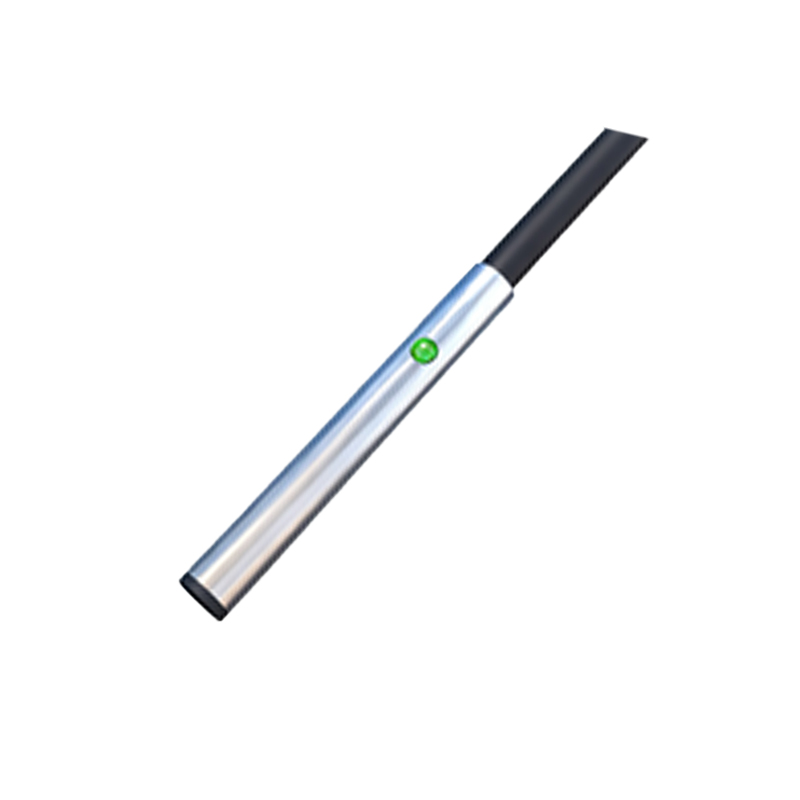
In the realm of industrial automation and control systems, the terms "sensor" and "proximity switch" are frequently encountered, often leading to confusion regarding their specific roles and distinctions. While both are fundamental components for detecting objects or changes in the environment, they are not synonymous. Understanding their differences is crucial for engineers and technicians to select the appropriate device for a given application, ensuring optimal system performance, reliability, and cost-efficiency.
A sensor is a broad, umbrella term for any device that detects and responds to an input from the physical environment. The input can be light, heat, motion, moisture, pressure, or any other measurable phenomenon. The output is typically a signal that is converted into a human-readable display or transmitted for further processing. Sensors are the sensory organs of a machine or system, providing critical data. They come in an immense variety, including temperature sensors, pressure sensors, photoelectric sensors, level sensors, and indeed, proximity sensors. The key characteristic of a sensor is its function to measure a physical quantity and provide a corresponding output, which can be analog (e.g., 4-20 mA, 0-10V) or digital.
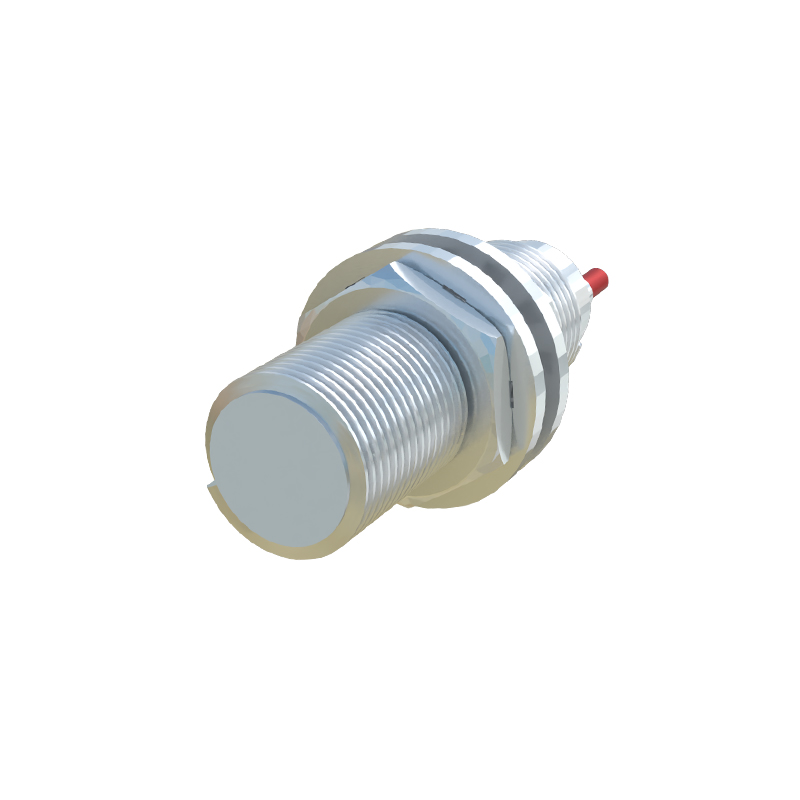
A proximity switch, on the other hand, is a specific type of sensor. More precisely, it is a subset of proximity sensors designed with a binary output function. Its primary purpose is to detect the presence or absence of a target object within a specified range without physical contact. When an object enters its sensing field, the switch's internal state changes, triggering a discrete ON/OFF signal. This output is typically a simple digital signal—often a change in voltage state (e.g., from 0V to 24V DC in a PNP configuration)—that is ideal for direct input into a Programmable Logic Controller (PLC), relay, or counter. The core function of a proximity switch is detection for control, not detailed measurement.
The distinction becomes clearer when examining types and outputs. Common types of proximity switches include Inductive, Capacitive, and Magnetic (Reed switch or Hall effect). An inductive proximity switch detects metallic objects, a capacitive version can detect both metallic and non-metallic materials like liquids or plastics, and magnetic switches react to permanent magnets. Their output is unambiguously digital: the switch is either "open" or "closed." In contrast, the broader sensor category includes devices like analog proximity sensors, which can provide an output signal proportional to the distance to the target, offering measurement capabilities rather than just a presence/absence verdict.
From an application perspective, the choice hinges on the required information. Use a standard proximity switch when the need is binary: Is the pallet in position? Has the machine door closed? Has a bottle reached the filling station? These are simple yes/no questions for process control and safety interlocks. Conversely, employ a more general sensor (like an analog ultrasonic or laser distance sensor) when you need quantitative data: How far is the crane from the wall? What is the exact fill level in the tank? What is the precise thickness of the rolled steel?
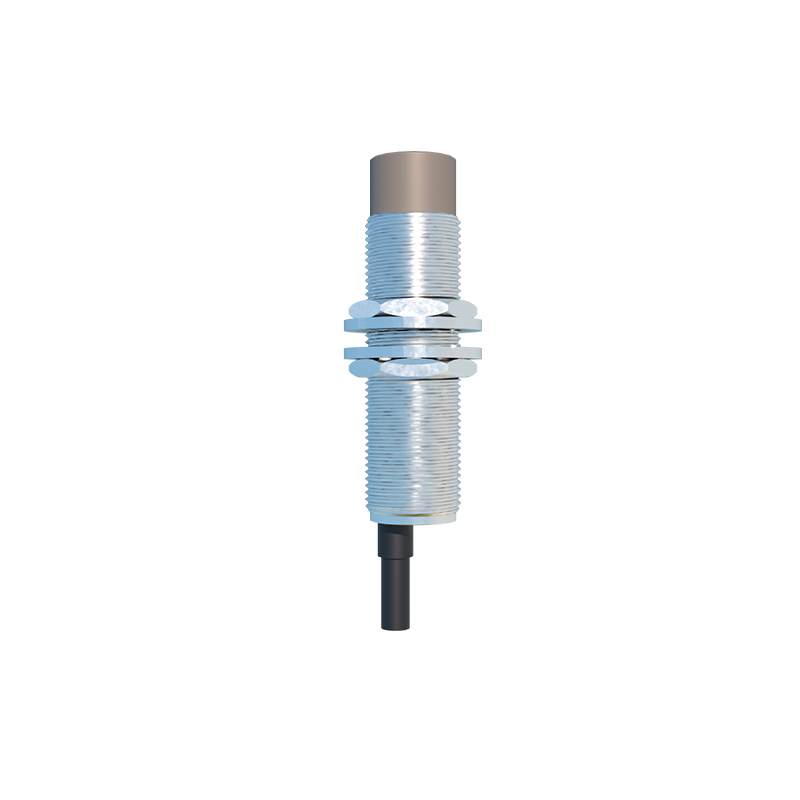
Electrical integration further highlights the difference. Proximity switches are prized for their simplicity in wiring and interface with control logic. Their two-wire or three-wire DC configurations are standard in control panels. A general sensor, especially an analog one, may require more complex wiring, signal conditioning, and analog-to-digital conversion in the PLC to interpret its value, adding layers to the system design.
In summary, while all proximity switches are sensors, not all sensors are proximity switches. The term "sensor" encompasses a vast array of devices for measurement and monitoring. A "proximity switch" is a specialized, non-contact sensor with a built-in switching mechanism, delivering a clean, discrete control signal for automation tasks. For an engineer, specifying a "proximity switch" implies a need for robust, repeatable object detection to trigger an action. Specifying a "sensor" requires a deeper analysis of what physical parameter needs to be measured and in what format the data is required. Recognizing this hierarchy is not mere semantics; it is a fundamental step in precise component selection and effective industrial system design.