In the realm of photodetection technology, Avalanche Photodiodes (APDs) have emerged as a pivotal component for laser receiving sensors, offering unparalleled sensitivity and speed in various electrical and optical applications. APDs operate on the principle of avalanche multiplication, where incident photons generate electron-hole pairs that undergo impact ionization in a high-electric-field region, resulting in internal gain. This mechanism enables APDs to detect weak optical signals with high efficiency, making them ideal for low-light conditions such as LiDAR systems, fiber-optic communications, and medical imaging devices.
The core advantage of APD laser receiving sensors lies in their ability to amplify signals internally without significant noise introduction, unlike traditional photodiodes. This is achieved through careful design of the semiconductor structure, typically using materials like silicon, germanium, or indium gallium arsenide, tailored to specific wavelength ranges. For instance, silicon APDs excel in the visible to near-infrared spectrum (400–1000 nm), while germanium and InGaAs variants cover longer infrared wavelengths. Engineers must consider factors such as bias voltage, temperature stability, and quantum efficiency when integrating APDs into systems, as these parameters directly impact performance metrics like gain, bandwidth, and signal-to-noise ratio.
In practical applications, APD-based sensors are widely deployed in autonomous vehicles for precise distance measurement via LiDAR, where they convert reflected laser pulses into electrical signals with sub-nanosecond response times. Similarly, in telecommunications, APDs enhance receiver sensitivity in high-speed fiber-optic networks, enabling data transmission over long distances with minimal loss. The medical field benefits from APDs in optical coherence tomography (OCT) for non-invasive imaging, leveraging their high gain to capture detailed tissue structures. However, challenges such as dark current, excess noise factor, and temperature dependence require meticulous circuit design, often incorporating cooling mechanisms or feedback loops to maintain optimal operation.
Recent advancements in APD technology focus on improving reliability and integration with digital systems. Innovations like single-photon avalanche diodes (SPADs) push the boundaries of sensitivity, capable of detecting individual photons for quantum computing and scientific research. Additionally, the development of arrays and hybrid designs allows for multi-channel detection, expanding use cases in 3D sensing and spectroscopy. As electrical engineering evolves toward miniaturization and IoT connectivity, APD laser receiving sensors continue to play a critical role, driven by ongoing research in materials science and semiconductor fabrication. For professionals in the field, understanding APD specifications—such as breakdown voltage, responsivity, and noise equivalent power—is essential for selecting the right sensor to meet application demands while ensuring cost-effectiveness and durability.
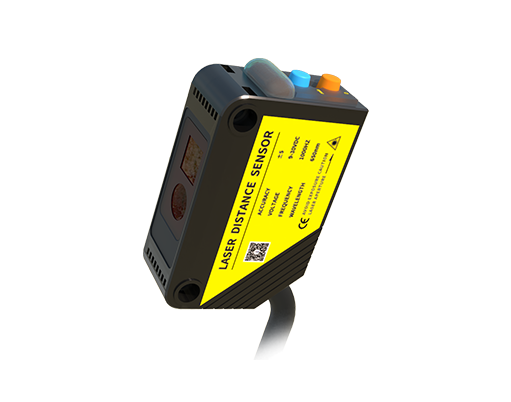
Ultimately, APD laser receiving sensors represent a sophisticated intersection of optics and electronics, offering robust solutions for modern challenges. Their adaptability across industries underscores the importance of continuous innovation, with future trends likely emphasizing lower power consumption, enhanced integration with AI-driven analytics, and broader spectral coverage. By mastering the principles and applications of APDs, engineers can harness their full potential to advance technology in sensing, communication, and beyond.
