In the field of industrial automation and electrical engineering, sensors play a crucial role in monitoring and controlling various processes. Among the diverse types of sensors available, proximity switches and temperature sensors are commonly used, but they serve fundamentally different purposes. This article aims to clarify the distinction between a proximity switch and a temperature sensor, addressing common misconceptions and highlighting their unique functions, working principles, and applications.
A proximity switch, also known as a proximity sensor, is a device designed to detect the presence or absence of an object without physical contact. It operates based on electromagnetic, capacitive, or inductive principles, depending on the type. For instance, inductive proximity switches detect metallic objects by generating an electromagnetic field, while capacitive versions can sense non-metallic materials by measuring changes in capacitance. These switches are widely used in automation systems for tasks such as object detection, position sensing, and counting in manufacturing lines, robotics, and safety applications. They typically output a digital signal (on/off) when an object enters their sensing range, making them ideal for binary control operations.
On the other hand, a temperature sensor is specifically engineered to measure thermal energy or temperature changes in a system or environment. Common types include thermocouples, resistance temperature detectors (RTDs), thermistors, and infrared sensors. These devices convert temperature variations into electrical signals, such as voltage or resistance, which can be monitored and analyzed for process control, safety, or data logging. Temperature sensors are essential in industries like HVAC, food processing, automotive, and energy management, where precise temperature regulation is critical for efficiency and safety.
The confusion between proximity switches and temperature sensors may arise from their shared role as sensing components in electrical systems. However, their core functionalities are distinct: a proximity switch detects physical presence or proximity, while a temperature sensor quantifies heat levels. They are not interchangeable, as each is optimized for specific parameters. For example, using a proximity switch to measure temperature would be ineffective, as it lacks the necessary thermal sensing elements. Conversely, a temperature sensor cannot detect object presence unless integrated with additional technology.

In practice, both devices may be employed together in complex systems. Consider an automated packaging line: proximity switches might detect the position of products on a conveyor belt, while temperature sensors monitor the heat of sealing equipment to ensure proper operation. This synergy highlights the importance of selecting the right sensor for each task based on technical requirements.
From an engineering perspective, understanding the specifications is key. Proximity switches are rated for factors like sensing distance, material compatibility, and output type, whereas temperature sensors are characterized by measurement range, accuracy, response time, and environmental resilience. Misapplication can lead to system failures, inefficiencies, or safety hazards. Therefore, engineers must carefully evaluate the application needs before integration.
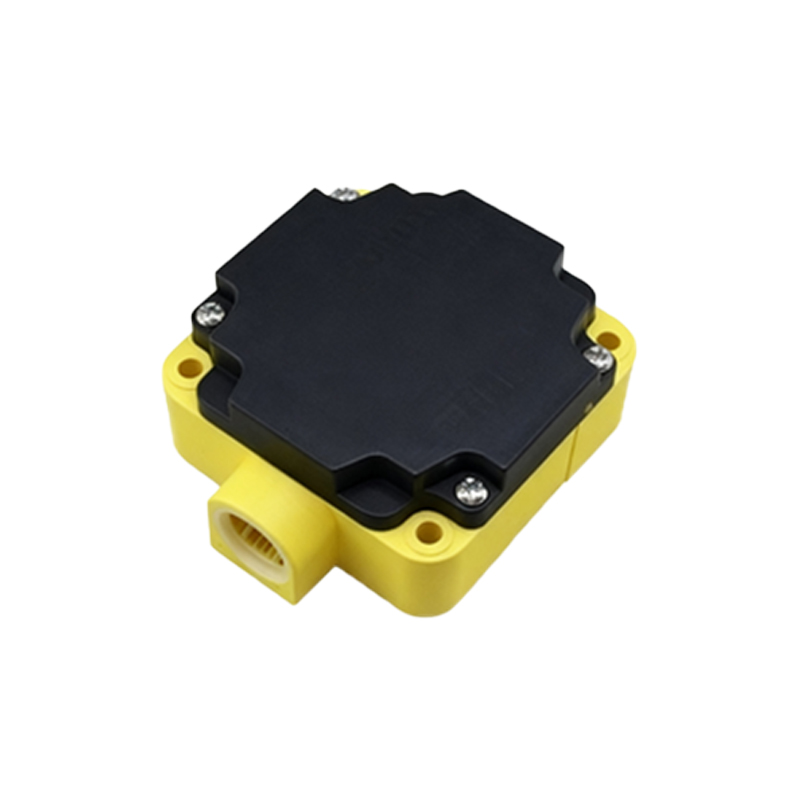
In summary, a proximity switch is not a temperature sensor. While both are vital in electrical and automation industries, they serve different sensing functions—proximity versus thermal measurement. Recognizing this distinction ensures proper implementation and optimal performance in industrial settings. As technology advances, hybrid sensors may emerge, but for now, these devices remain specialized tools in an engineer's toolkit.