In the realm of industrial automation and smart electronics, the ability to detect the presence, absence, or position of an object without physical contact is paramount. Semiconductor proximity sensors have emerged as a cornerstone technology enabling this capability. These devices, leveraging the unique properties of semiconductor materials, offer high precision, reliability, and versatility across countless applications. This article delves into the operational principles, key technologies, application landscapes, and critical selection criteria for semiconductor proximity sensors.
At their core, semiconductor proximity sensors function by generating an electromagnetic field or a beam of radiation (such as infrared light) and detecting changes in that field or the return signal caused by a target object. The semiconductor component, typically a specialized integrated circuit (IC), is the brain of the sensor. It handles signal generation, modulation, reception, and processing. Common sensing technologies include:
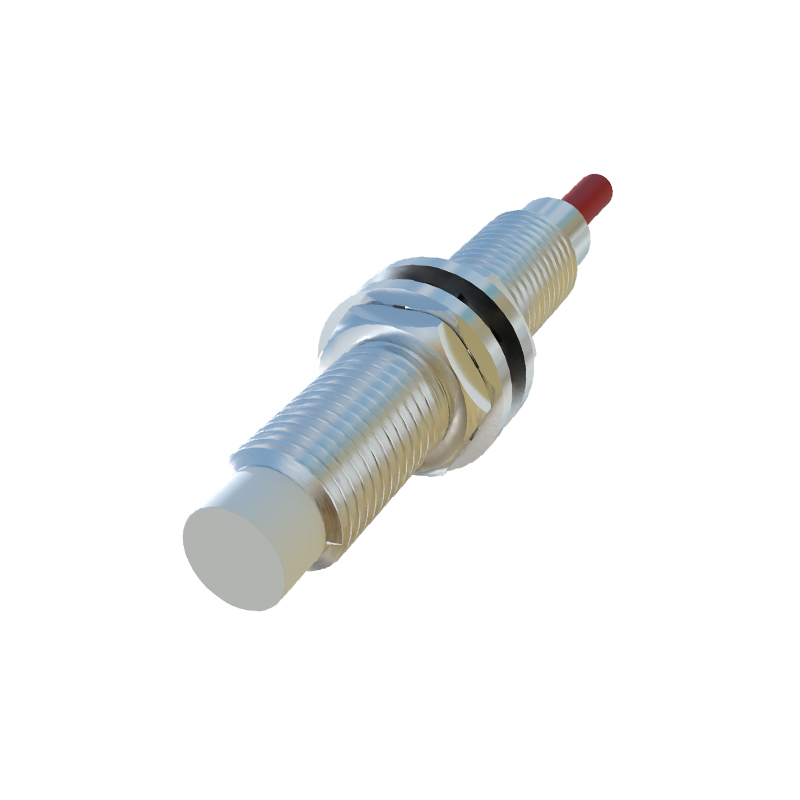
Inductive Sensors: Utilize a coil and oscillator to create a high-frequency electromagnetic field. When a metallic object enters this field, it induces eddy currents, causing a change in the oscillation amplitude. The semiconductor circuit detects this change and triggers an output switch. These are ideal for detecting metals only.
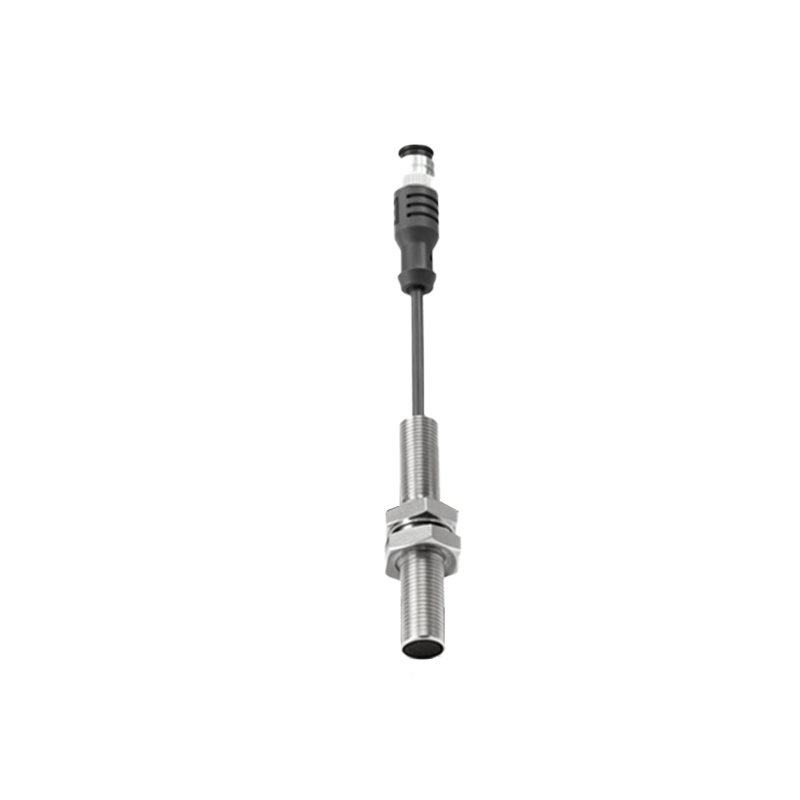
Capacitive Sensors: Generate an electrostatic field. Any object, metallic or non-metallic (plastics, liquids, wood), that enters this field alters its capacitance. The embedded semiconductor IC measures this change to determine object presence. They are suitable for a wider range of materials.
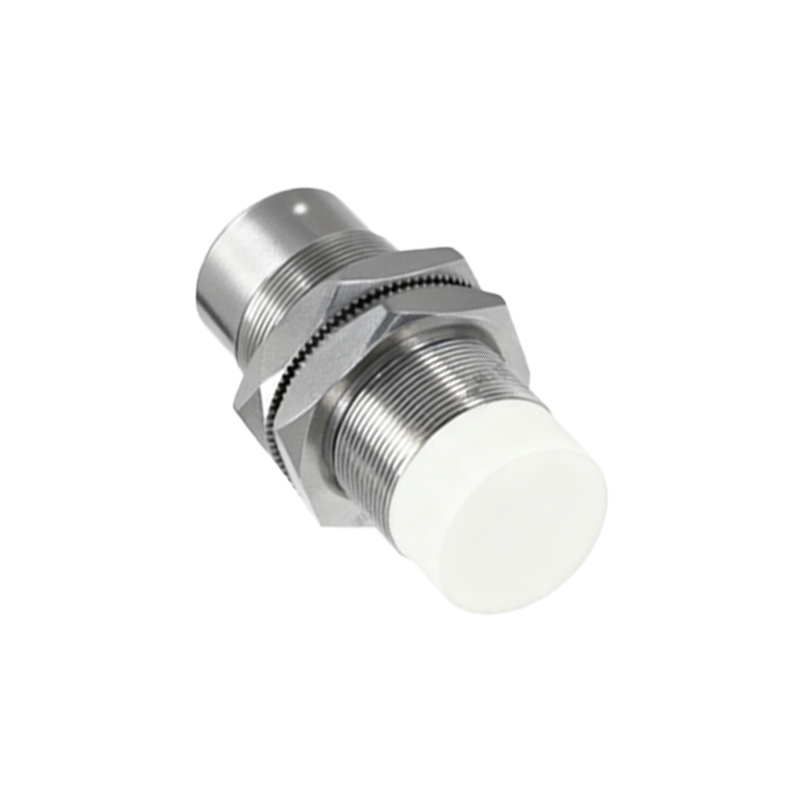
Photoelectric Sensors: Employ a semiconductor light emitter (usually an LED, often infrared) and a photodetector (phototransistor, photodiode). The sensor detects an object by either the interruption of the light beam (through-beam), reflection from the object (diffuse reflective), or reflection from a dedicated reflector (retro-reflective). The semiconductor components precisely control light emission and interpret the received signal.
The advantages of semiconductor-based designs are significant. They enable miniaturization, allowing sensors to fit into extremely compact spaces. They offer high switching speeds, capable of detecting objects at rates exceeding several kilohertz, which is crucial for high-speed production lines. Furthermore, semiconductor processing allows for excellent repeatability, long operational life (with no moving parts to wear out), and resistance to environmental factors like vibration. Modern sensors often incorporate advanced semiconductor chips that provide programmability, diagnostic functions (like IO-Link), and enhanced noise immunity.
The applications of semiconductor proximity sensors are vast and cross-industry. In automotive manufacturing, inductive sensors count gears or verify piston position. Capacitive sensors in packaging lines detect liquid levels in bottles or the presence of plastic caps. Photoelectric sensors are ubiquitous in material handling for box counting, conveyor jam detection, and robotic guidance. They are also fundamental in consumer electronics, such as detecting a smartphone in a pocket to turn off the screen, or in home appliances like automatic soap dispensers.
Selecting the right semiconductor proximity sensor requires careful consideration of several parameters:
1. Sensing Technology: Choose inductive for metals, capacitive for diverse materials including liquids, and photoelectric for long-range or precise position detection.
2. Sensing Range: The nominal operating distance. Ensure it is suitable for the application with an appropriate safety margin.
3. Output Type: Digital (PNP/NPN transistor) or analog (4-20mA, 0-10V). Digital is for on/off detection, analog provides distance-proportional information.
4. Environmental Rating: The housing material and Ingress Protection (IP) rating must withstand the operating environment (e.g., washdown conditions, oil, metal chips).
5. Size and Form Factor: The sensor must physically fit the installation space.
6. Response Time: Must be faster than the process speed to ensure reliable detection.
In conclusion, semiconductor proximity sensors are sophisticated, reliable components that form the sensory foundation of modern automated systems. Their evolution continues, driven by advancements in semiconductor fabrication, leading to smarter, more connected, and even more miniaturized devices. Understanding their technology and selection criteria is essential for engineers and technicians to optimize system performance, enhance safety, and drive innovation in an increasingly automated world.