Selecting the appropriate power supply for proximity sensors is a critical step in ensuring reliable, accurate, and long-lasting operation within industrial automation systems. An incorrect choice can lead to erratic sensor behavior, reduced sensing range, premature failure, or even damage to connected control systems. This guide outlines the key electrical and environmental parameters engineers must evaluate to make an optimal selection.
The primary electrical characteristic to match is the sensor's operating voltage and current requirements. Proximity sensors are predominantly available in two variants: DC (Direct Current) and AC (Alternating Current). DC sensors, typically operating at 10-30V DC, are far more common in modern industrial settings due to their faster switching speeds, longer operational life, and compatibility with programmable logic controllers (PLCs). AC sensors usually operate on standard line voltages like 120V or 240V AC. The power supply output voltage must be stable and within the sensor's specified range. For DC sensors, a regulated DC power supply is mandatory. Furthermore, the power supply must be capable of delivering sufficient current. The total current draw is the sum of the currents required by all sensors connected to that supply, plus a safety margin of at least 20-30% to handle inrush currents during power-up and ensure headroom for reliable operation.
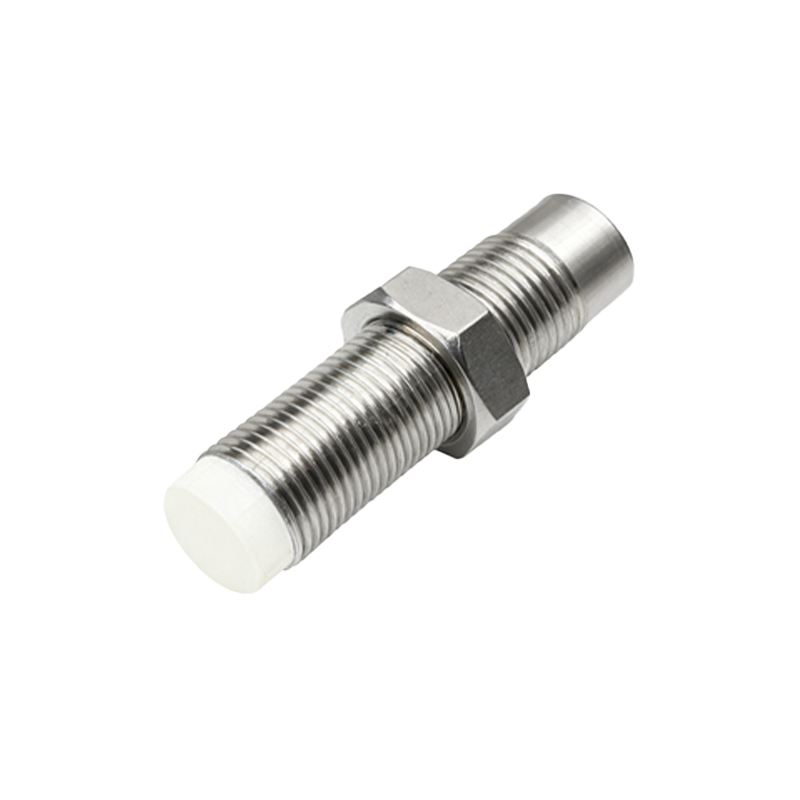
Beyond basic voltage and current, understanding the sensor's output configuration is vital for power supply compatibility. The two main types are PNP (sourcing) and NPN (sinking) outputs for DC sensors. This determines how the sensor switches the load relative to the common (0V) line. The power supply's common (negative for PNP, positive for NPN) must be correctly connected to the load (e.g., PLC input). Mismatching this can prevent the sensor from functioning. For systems with mixed PNP and NNP sensors, careful planning of the power supply grounding scheme is essential to avoid short circuits.
Electrical noise and voltage fluctuations are significant threats in industrial environments. Proximity sensors, especially capacitive and inductive types, can be susceptible to electromagnetic interference (EMI) from motors, drives, and welding equipment. To mitigate this, select a power supply with good noise immunity and low output ripple. Incorporating additional protection directly at the sensor or power supply line is often wise. This includes using shielded cables, installing ferrite cores on cables near noise sources, and employing surge protection devices to guard against voltage spikes from inductive loads. For critical applications, an uninterruptible power supply (UPS) or a power supply with built-in holdup time can prevent shutdowns during brief mains interruptions.
Environmental conditions directly impact both the sensor and the power supply's performance and longevity. The power supply unit itself should be rated for the ambient temperature range of the installation location, which is often harsher than the control cabinet interior. Consider factors like humidity, vibration, and the presence of corrosive chemicals. For sensors installed in washdown areas or outdoors, ensuring the power supply is adequately protected (with appropriate IP or NEMA ratings for its enclosure) is crucial to prevent moisture ingress and corrosion.
System design considerations extend beyond a single sensor. When powering multiple sensors from one supply, calculate the total current draw accurately. It is often beneficial to segment the sensor network, using multiple smaller, distributed power supplies rather than one large central unit. This approach reduces voltage drop over long cable runs, minimizes the impact of a single point of failure, and simplifies troubleshooting. Always verify that the wiring gauge is sufficient for the total current and distance to prevent excessive voltage drop at the farthest sensor, which could cause it to operate below its minimum voltage threshold.
In summary, selecting a power supply for proximity sensors requires a systematic approach. Start by confirming the sensor's voltage, current, and output type. Choose a high-quality, regulated power supply with ample current capacity and robust protection against noise and surges. Finally, integrate the power solution into your system design with consideration for environmental factors, cable losses, and maintenance access. By adhering to these principles, engineers can build sensor systems that deliver maximum uptime, precision, and durability, forming a reliable backbone for automated processes.