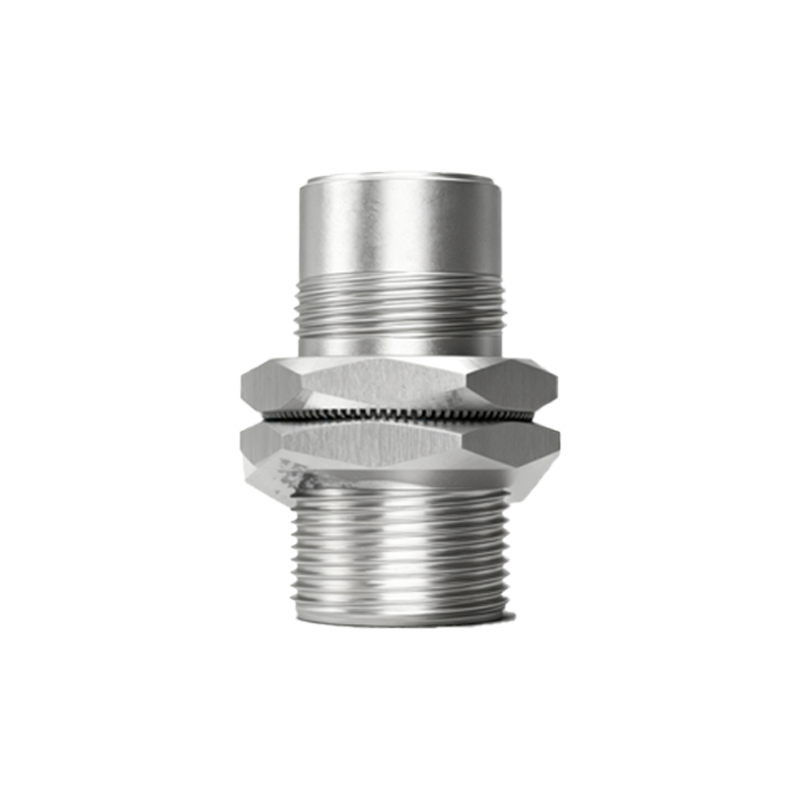
In the intricate ecosystem of modern aviation, the landing gear system stands as a critical component for safe takeoff and landing operations. At the heart of this system's monitoring and control functions are proximity sensors, unsung heroes that provide essential data to the aircraft's flight control computers. These sensors are pivotal in ensuring that pilots and automated systems have accurate, real-time information regarding the position and status of the landing gear—whether it is safely locked in the "up" or "down" position.
Proximity sensors used in landing gear applications are predominantly non-contact devices. They detect the presence or absence of a target—typically a metallic lobe or flag attached to the landing gear linkage—without any physical interaction. The most common technologies employed are inductive and Hall-effect sensors. Inductive sensors generate an electromagnetic field; when a metallic target enters this field, it induces eddy currents, causing a change in the sensor's oscillation amplitude. This change is detected and converted into a clean electrical signal. Hall-effect sensors, on the other hand, detect changes in a magnetic field caused by the movement of a ferromagnetic target. Both types are chosen for their reliability, immunity to environmental contaminants like dirt, grease, and moisture, and their ability to function in the harsh vibrational and temperature extremes experienced in the wheel well.
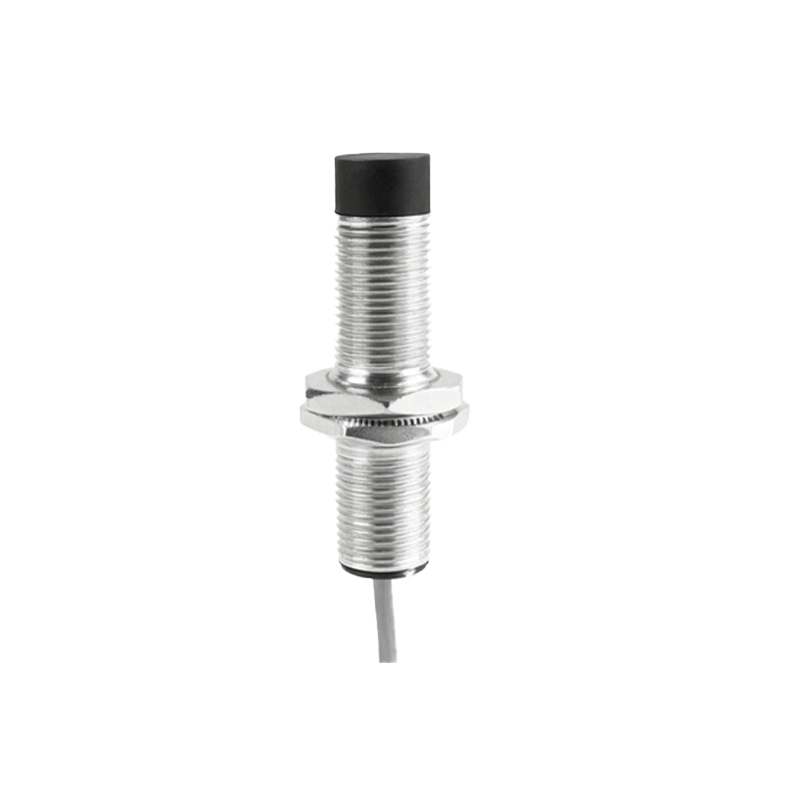
The primary application is position sensing. Sensors are strategically mounted on the aircraft structure adjacent to the moving parts of the landing gear. They confirm the fully retracted and locked position after takeoff and the fully extended and locked position before landing. This information is displayed to the flight crew via indicator lights in the cockpit and is also fed into other systems, such as the warning systems that activate if an attempt is made to land with the gear up. Furthermore, these sensors play a role in sequencing systems for complex landing gear that retracts in a specific fold-and-tuck manner, ensuring one leg is locked before another moves.
The design and installation of these sensors are governed by rigorous standards. They must withstand operational environments ranging from -55°C to over 200°C near brakes, resist exposure to hydraulic fluids, de-icing chemicals, and high-pressure water sprays. Their housings are typically made from robust, corrosion-resistant materials like stainless steel. The electrical outputs are designed to be highly reliable, often featuring redundant or dual-channel configurations to meet the stringent fail-safe requirements of aviation. False indications can have severe consequences, driving the need for exceptional mean time between failures (MTBF).
Maintenance and troubleshooting form a crucial part of the lifecycle. Common issues include signal drift due to temperature effects, physical damage from foreign object debris, or misalignment caused by airframe flexure or improper maintenance. Technicians rely on detailed maintenance manuals (AMM) for testing procedures, which often involve using a metallic target to simulate gear movement while monitoring the sensor's output with a multimeter or oscilloscope. Regular inspections check for secure mounting, integrity of wiring harnesses, and signs of corrosion. Calibration or adjustment is sometimes necessary to ensure the sensor activates at the precise distance from the target.
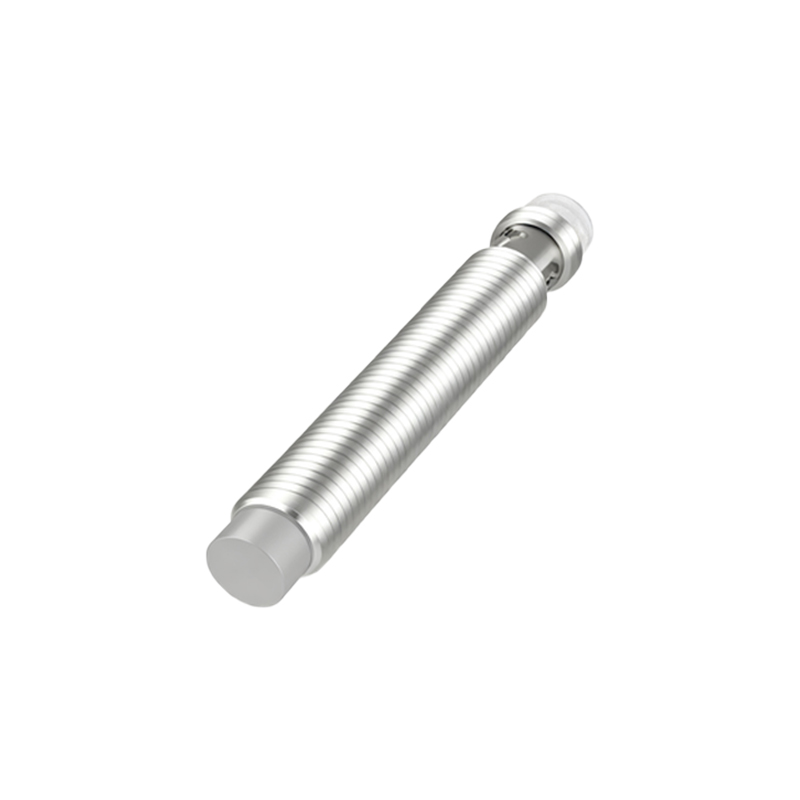
The evolution of landing gear proximity sensors is leaning towards increased integration and intelligence. Modern sensors may include built-in diagnostics, digital output (like IO-Link), and health monitoring capabilities, feeding data into the aircraft's central maintenance system to predict failures before they occur. As aircraft become more electric, with trends like electric taxiing and more electric aircraft (MEA) architectures, the role of precise, reliable sensor data only grows in importance.
In conclusion, the proximity sensor is a fundamental, albeit often overlooked, component that directly contributes to flight safety. Its robust design, based on proven physical principles, and its critical function within the landing gear system underscore the meticulous engineering inherent in every modern aircraft. Continuous advancements in sensor technology promise even greater reliability and functionality, supporting the aviation industry's unwavering commitment to safety and efficiency.