Capacitive sensing technology has become ubiquitous in modern electronics, from smartphone touchscreens to industrial proximity detectors. At its core, this technology relies on a fundamental electrical principle: capacitance. Understanding how capacitive sensors work requires a look into this principle and its practical application in sensing.
Capacitance is the ability of a system to store an electrical charge. It is most commonly associated with a capacitor, a component consisting of two conductive plates separated by an insulating material, or dielectric. The capacitance value depends on the surface area of the plates, the distance between them, and the dielectric constant of the insulating material. A capacitive sensor cleverly manipulates one of these variables—typically the effective distance or the dielectric—to detect the presence, proximity, or touch of an object.
Most modern capacitive sensors operate in a non-contact manner. They function as one plate of a capacitor. The target object, which could be a human finger, a metal part, or even a liquid, acts as the other plate. The air or other material between them serves as the dielectric. The sensor's electronic circuitry is designed to generate an oscillating electric field from this sensor plate. When a target object enters this electric field, it alters the capacitance of the system. Even non-conductive materials with a different dielectric constant than air, like plastic or glass, can cause a detectable change if they displace the air gap.
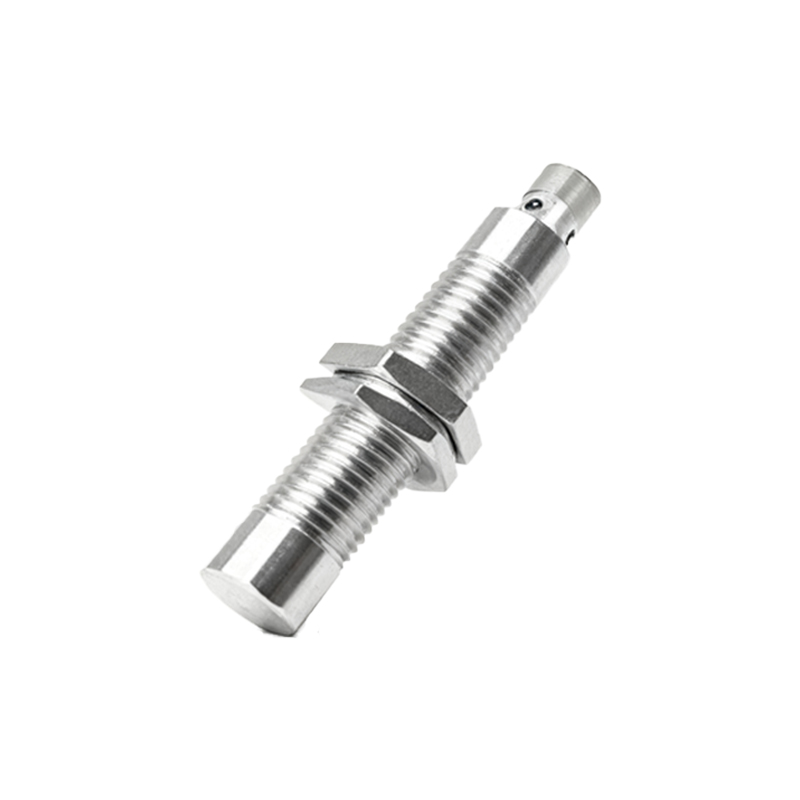
The electronics are the true brains of the operation. They continuously measure the system's capacitance. This is often done by incorporating the sensor plate into an oscillator circuit or an RC (Resistor-Capacitor) timing circuit. The capacitance directly affects the frequency or the charge/discharge time of this circuit. When the capacitance changes due to a target's presence, the frequency or timing shifts. A dedicated microcontroller or integrated circuit (IC) monitors this shift. It compares the measured value against a pre-set reference or threshold. When the change exceeds this threshold, the sensor's output signal switches state, indicating a detection event.
This process explains the magic behind a capacitive touch button. The button area contains a sensor plate connected to the controller IC. Underneath, there is often a ground plane or shield to direct the electric field outward and provide stability against environmental noise. When a finger approaches, it couples with the electric field, increasing the effective capacitance. The IC detects this increase and registers a touch. The system is so sensitive it can often work through a thin layer of non-conductive material like glass or plastic, enabling sleek, sealed designs.
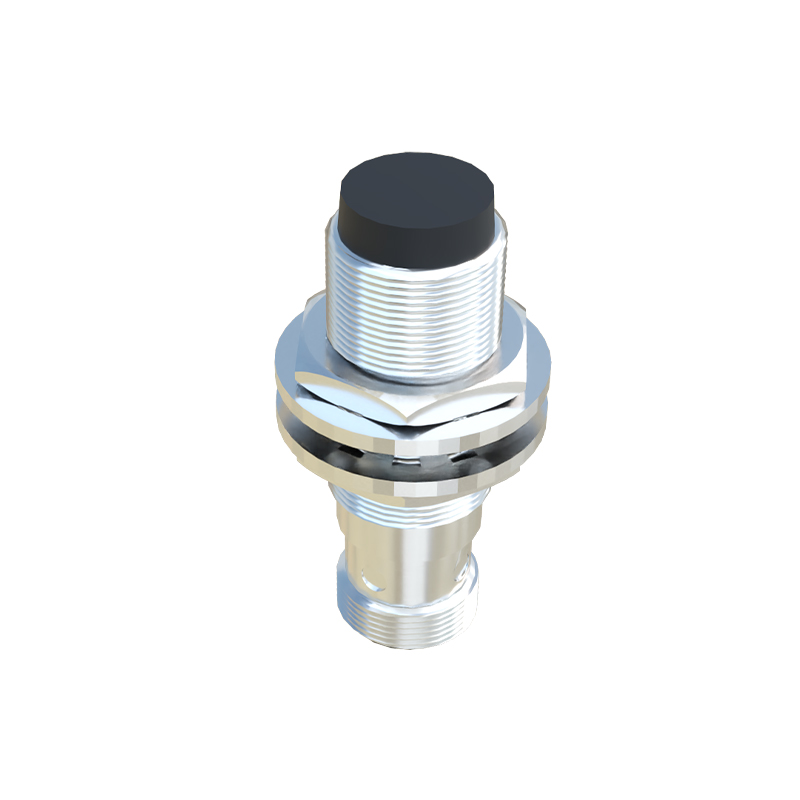
There are two primary sensing modes: self-capacitance and mutual capacitance. Self-capacitance, used in simpler buttons and sliders, measures the capacitance of a single electrode relative to ground. The finger adds capacitance to that electrode. Mutual capacitance, the technology behind multi-touch screens, involves a grid of transmit (Tx) and receive (Rx) electrodes. At each intersection, a capacitor is formed. A finger touching near an intersection steals some of the electric field lines, reducing the mutual capacitance at that specific node. By scanning the entire grid, the controller can pinpoint multiple, simultaneous touch points with high accuracy.
The advantages of capacitive sensing are significant. It offers high sensitivity, excellent reliability due to the lack of moving parts, and the ability to create robust, sealed user interfaces. It can detect through insulating materials and is highly resistant to wear from mechanical contact. However, designers must account for challenges. Sensors can be susceptible to environmental factors like moisture, temperature, and electromagnetic interference. Conductive contaminants (like water droplets) can cause false triggers. Careful circuit design, shielding, and intelligent software algorithms for filtering and baseline calibration are essential to ensure stable performance in real-world conditions.
Applications extend far beyond consumer gadgets. In automotive interiors, capacitive sensors control infotainment systems and detect passenger occupancy. In industrial settings, they provide precise proximity sensing for liquid level detection, part positioning, and machine safety systems. They are even used in precision agriculture for soil moisture monitoring.
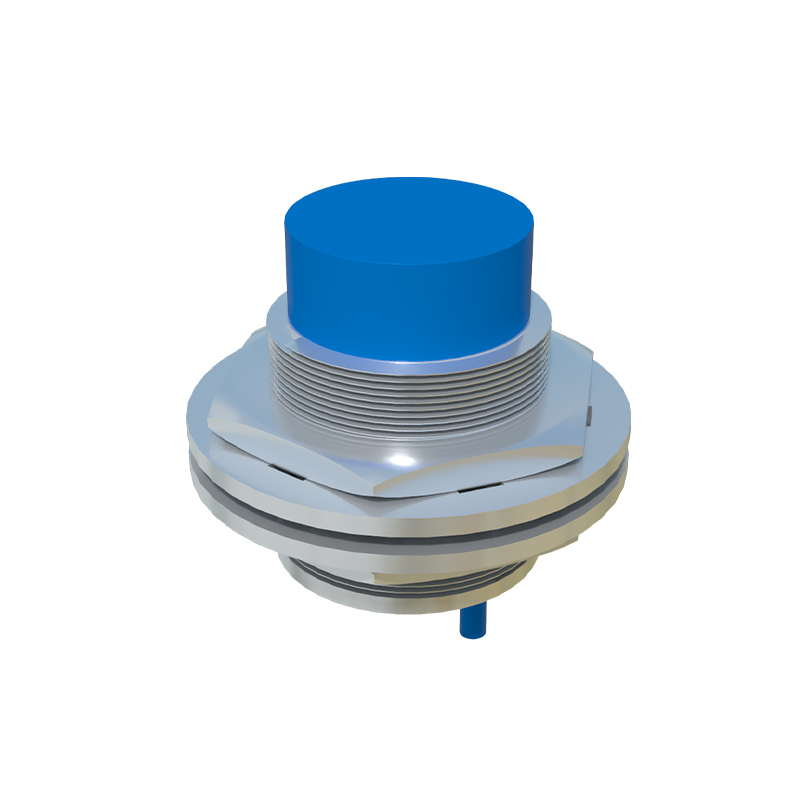
In summary, capacitive sensors work by creating and monitoring a sensitive electric field. They detect changes in capacitance caused by the interaction of a target object with this field. This elegant translation of a physical change into a measurable electrical signal, processed by sophisticated electronics, enables the intuitive and reliable interfaces and controls we interact with daily. The technology's versatility ensures its continued evolution and integration into new and innovative products across countless industries.