In the realm of industrial automation, precision, reliability, and efficiency are paramount. Among the myriad of components that make modern manufacturing possible, the cylindrical proximity sensor stands out as a fundamental and versatile device. Its primary function is to detect the presence or absence of an object without any physical contact, a capability that is crucial for countless automated processes. This article delves into the operational principles, key features, and diverse applications of these indispensable sensors.
At its core, a cylindrical proximity sensor operates on the principle of electromagnetic induction or capacitive sensing. The most common type, the inductive proximity sensor, generates an oscillating electromagnetic field from its sensing face. When a metallic object enters this field, eddy currents are induced on the object's surface. This causes a change in the oscillation amplitude, which is detected by the sensor's internal circuit, triggering a solid-state output signal. This non-contact detection method eliminates mechanical wear and tear, ensuring a long operational life and high reliability. Capacitive variants, on the other hand, can detect both metallic and non-metallic objects by sensing changes in capacitance.
The cylindrical housing, typically made of robust materials like nickel-plated brass or stainless steel, is a defining characteristic. This shape is not merely aesthetic; it is engineered for easy installation. Standardized diameters (e.g., M8, M12, M18, M30) allow these sensors to be seamlessly mounted in drilled holes using locknuts, providing a secure and stable fit in machinery and fixtures. The housing also offers a high degree of ingress protection (IP ratings like IP67 or IP69K), making them resistant to dust, coolants, oils, and high-pressure washdowns—essential for harsh industrial environments.
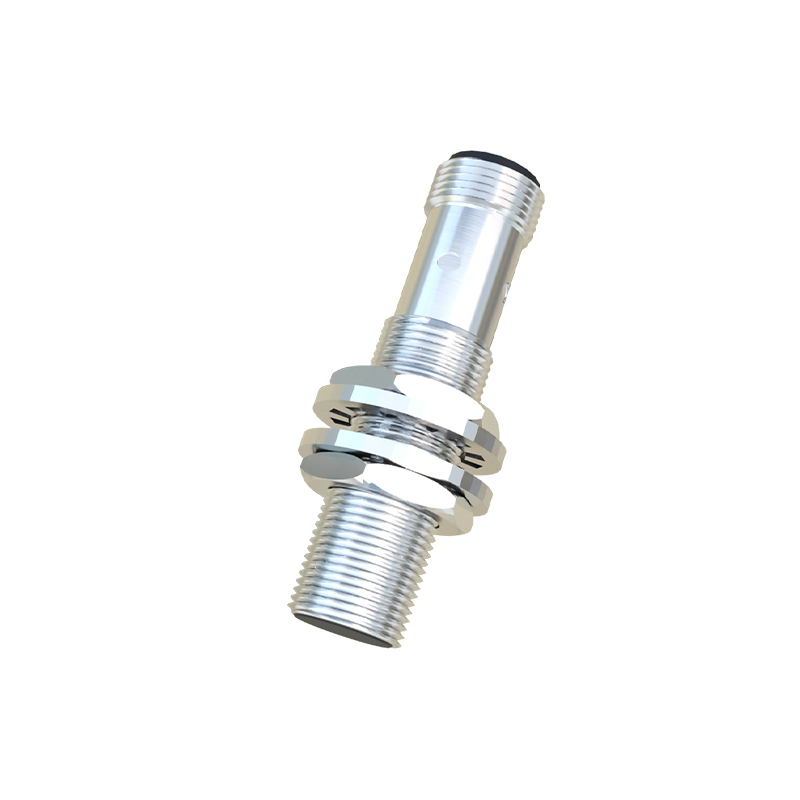
The applications of cylindrical proximity sensors are vast and varied. In assembly lines, they are used for part presence verification, ensuring a component is in the correct position before a robotic arm performs a weld or an insertion. They act as limit switches in automated guided vehicles (AGVs) and linear actuators, providing precise positional feedback. Within packaging machinery, these sensors count products on conveyor belts or detect the position of lids and caps. In metalworking, they monitor tool presence in CNC machining centers, preventing costly crashes. Furthermore, they play a critical role in safety systems, such as detecting whether a safety guard door is securely closed before initiating a machine cycle.
Selecting the right cylindrical proximity sensor involves considering several parameters. The sensing distance, or nominal range, is specified by the manufacturer and varies with the target material and sensor size. Factors like switching frequency (how quickly it can detect objects), output type (PNP/NPN, normally open/closed), and voltage range must match the control system's requirements. For challenging environments, specialized models with extended temperature ranges or weld-field immunity (resistant to spurious signals from welding equipment) are available.
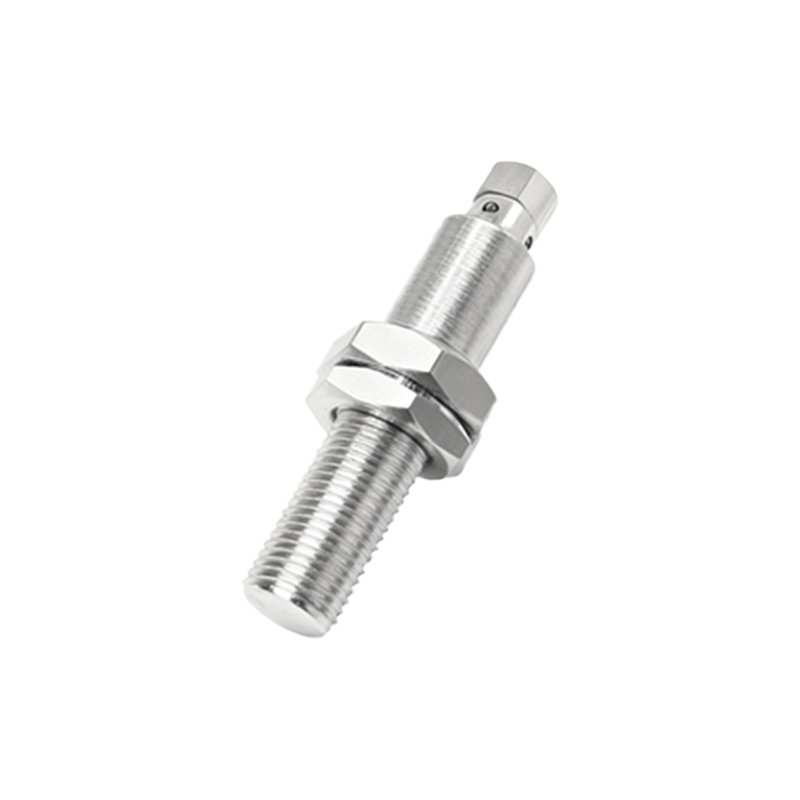
In conclusion, the cylindrical proximity sensor is a workhorse of industrial automation. Its non-contact operation, rugged design, and straightforward integration make it an essential component for enhancing productivity, ensuring quality control, and maintaining operational safety. From simple object detection to complex positional sequencing, these sensors provide the critical data that programmable logic controllers (PLCs) and other control systems rely on to orchestrate seamless and efficient manufacturing processes. As industries continue to evolve towards smarter, more connected systems (Industry 4.0), the fundamental role of reliable sensing technology, epitomized by the cylindrical proximity sensor, remains as vital as ever.