In the realm of industrial automation and control engineering, proximity sensors have evolved from simple detection devices into indispensable components of sophisticated control systems. Their ability to detect the presence or absence of an object without physical contact provides a foundation for reliability, precision, and efficiency. This article explores the diverse applications of proximity sensors across various control systems, highlighting their critical role in modern manufacturing and beyond.
At their core, proximity sensors operate on principles such as inductive, capacitive, ultrasonic, and photoelectric sensing. Inductive sensors, for instance, are ideal for detecting metallic objects and are extensively used in machine automation. Capacitive sensors can detect both metallic and non-metallic materials, including liquids and granular substances, making them versatile for diverse industrial environments. This fundamental versatility allows for their integration into complex control architectures.
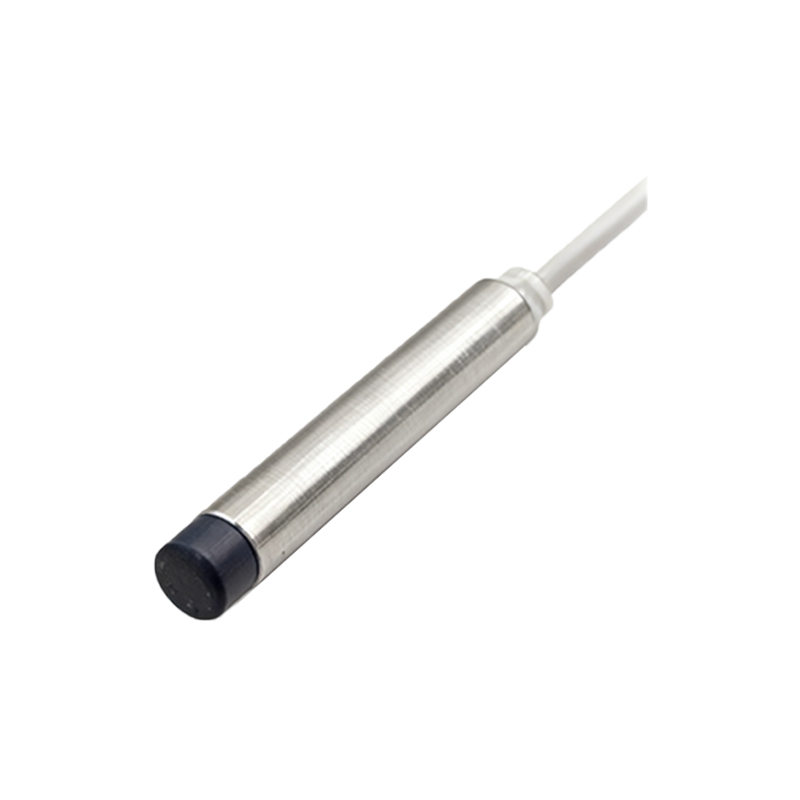
One of the primary applications is within Programmable Logic Controller (PLC) based systems. Here, proximity sensors act as the primary input devices, feeding real-time binary data (ON/OFF) about object position, count, or end-of-travel to the PLC. The PLC's control program processes this input to execute precise sequences—controlling actuators, motors, or robotic arms. For example, on an automated assembly line, an inductive sensor confirms a metal component is in the correct position before a robotic welder is activated. This closed-loop feedback is essential for ensuring process integrity and preventing costly collisions or jams.
In Motion Control Systems, particularly those involving servo and stepper motors, proximity sensors provide critical homing and limit-switching functions. During system initialization, a sensor defines a known reference or "home" position for the motor. Furthermore, limit sensors at the extremes of travel prevent mechanical overrun, protecting both the drive system and the machinery. This integration ensures high repeatability and safety in applications like CNC machining, packaging machinery, and material handling robots.
Robotic Control Systems heavily rely on arrays of proximity sensors for navigation, object handling, and safety. In collaborative robot (cobot) cells, capacitive or laser-based sensors create safe perimeters, detecting human intrusion and triggering reduced operating speeds or stops to ensure worker safety. Within the robot's end-effector, miniature sensors verify successful part pickup or placement, providing essential feedback to the robot controller for error-proofing complex tasks like bin picking or assembly.
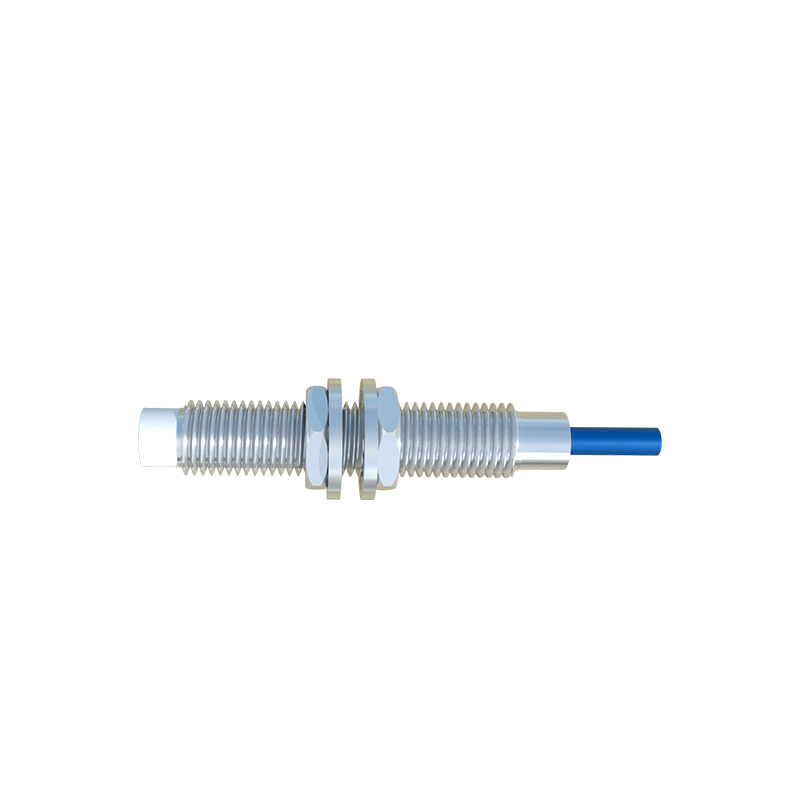
Another significant domain is Process Control Systems, where sensors monitor levels, positions, and flows. In liquid processing, ultrasonic proximity sensors provide non-contact level measurement in tanks. In conveyor systems controlling bulk materials, sensors track product flow and detect blockages. This data is fed into a Distributed Control System (DCS) or Supervisory Control and Data Acquisition (SCADA) system, enabling operators to monitor and adjust processes in real-time for optimal throughput and quality.
Safety Instrumented Systems (SIS) represent a critical application where reliability is paramount. Here, specially designed safety-rated proximity sensors (e.g., with dual channels and diagnostic capabilities) are used as part of emergency stop circuits, interlock guards on machinery, or to monitor the position of safety doors. Their fail-safe design ensures that any fault within the sensor itself leads to a safe state, thereby protecting personnel and equipment as per international standards like IEC 61508 and ISO 13849.
The integration of Industrial Internet of Things (IIoT) is further expanding their role. Modern proximity sensors with IO-Link communication can transmit not just a switch signal but also detailed parameter data (e.g., sensing distance, temperature, device health) directly to higher-level control systems. This enables predictive maintenance, where a controller can alert technicians to a sensor's performance degradation before it causes a system failure, thereby minimizing unplanned downtime.
In conclusion, proximity sensors are far more than simple switches. They are the sensory organs of modern control systems, providing the essential data that allows PLCs, robots, motion controllers, and safety systems to operate intelligently and autonomously. Their selection and integration—considering factors like sensing range, target material, environmental conditions, and output type—are crucial engineering decisions that directly impact system performance, reliability, and safety. As control systems grow smarter and more interconnected, the humble proximity sensor will continue to be a foundational element in the automated world.